



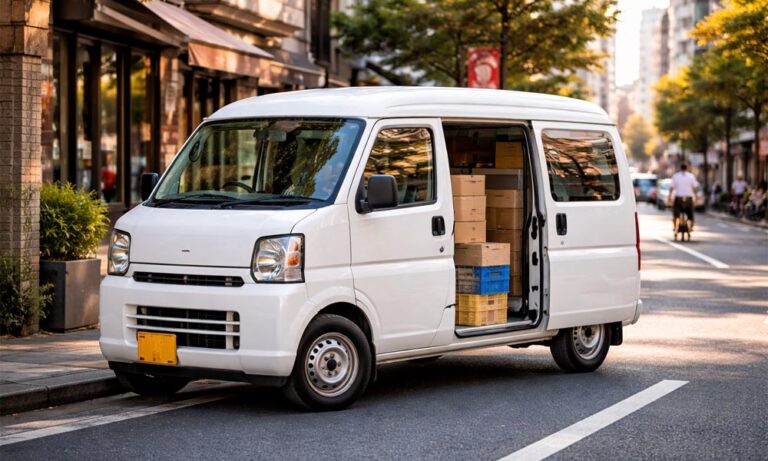
Have you ever seen a very small van move through a busy street with almost no trouble at all? It turns into tight roads, stops near tiny shops, and disappears before a bigger van could even find a place to park. That is the magic of keibann. It may look small, but it does a lot of important work every single day.
In busy cities, space is a big problem. Roads are narrow. Parking is hard to find. Delivery drivers are always in a hurry. Small business owners also need vehicles that are cheap to run and easy to use. This is where keibann becomes very useful. It gives people a smart way to move goods without using a large and costly van.
In this article, we will look at what keibann really is, where it came from, why it works so well in city life, and why so many people use it for daily business. We will also explore its design, fuel savings, and the kinds of jobs it can do so well. By the end, you will clearly understand why these tiny vans matter so much in 2026.
What Is a Keibann?
A keibann is a very small van that comes from Japan’s kei vehicle class. The word is usually linked to compact light-duty vans made for daily work, short trips, and city delivery. These vans are built to stay small on the outside, but they are designed in a smart way so they can still carry a useful amount of cargo inside.
That is what makes keibann so interesting. When you first look at one, you may think it cannot hold much. But once the rear doors open, the inside often feels much bigger than expected. The shape is simple and boxy, which helps create more room for parcels, food boxes, work tools, or small business supplies.
You can think of keibann as a city helper on wheels. It is not built to feel huge or powerful like a full-size work van. Instead, it is built to be practical. It is there to save space, save fuel, and make everyday delivery work easier. That is why so many people see it as a smart answer for busy streets and crowded neighborhoods.
Why Keibann Fits Busy Cities So Well
City life is fast, crowded, and often stressful. Drivers deal with traffic, small parking spots, one-way streets, and narrow roads lined with shops and homes. A large van can make all of this harder. It takes more room, needs more time to turn, and often struggles to stop where the job needs to be done. A keibann solves many of those problems right away.
Because a keibann is so compact, it can move through places that feel impossible for larger vehicles. It can turn more easily into side streets, fit into tighter parking spaces, and handle repeated stops without slowing everything down. For drivers who make many deliveries in one day, that can save a lot of time and stress.
This is one reason keibann works so well in last-mile delivery. That final part of the delivery trip is often the hardest. Goods have to reach homes, shops, offices, or clinics in crowded places. A big truck may get close, but a keibann can often get closer. That makes handoffs faster and daily work smoother.
It also helps reduce small but costly problems. A driver who can park faster may avoid delays. A van that fits better on the street may lower the risk of parking trouble or blocked traffic. In a busy city, even a few saved minutes on each stop can make a huge difference by the end of the day.
The History Behind the Keibann
To understand keibann, it helps to know where it came from. After World War II, Japan needed simple and low-cost transportation. The country was rebuilding. Fuel was limited, money was tight, and many people needed practical vehicles for work and daily life. Large and costly vehicles were not the best answer at that time.
So Japan supported the growth of very small vehicles through the kei class system. These vehicles were made to be lighter, cheaper, and easier to own. Owners often benefited from lower taxes and lower running costs. That made small vehicles a good choice for families, workers, and small business owners trying to recover and grow.
Over time, these tiny vehicles became more advanced. Vans and small trucks slowly improved in design, comfort, and reliability. But the main idea stayed the same. They had to be compact, useful, and affordable. That simple idea helped shape the keibann into the practical little work van many people still depend on today.
Even in 2026, that same thinking still matters. Cities are crowded. Businesses need to save money. Delivery demand keeps growing. So while the world has changed a lot, the reason behind keibann still feels fresh and useful now.
Keibann Size and Design Made Simple
One of the best things about keibann is its design. These vans are made to follow small vehicle rules, so their size stays very compact. In general, they are much shorter and narrower than a normal cargo van. That makes them easy to handle in places where space is limited.
But small size alone is not what makes them useful. The real trick is how the space is used. Most keibann vans have a tall roof, a square body, and a flat cargo area. This gives them a smart shape for stacking goods, sliding in boxes, or carrying work tools. Instead of wasting space on a long nose or stylish curves, the design focuses on function.
Sliding side doors are another great feature. In a busy street, a sliding door is easier than a wide swinging door. It opens quickly and works well even when another car is parked nearby. Wide rear doors also help. They make it easier to load parcels, grocery crates, or small racks without much trouble.
The floor inside is often low, which helps drivers and workers who need to load and unload many times a day. Think about someone delivering pharmacy items, boxed meals, or online orders. Lifting heavy things again and again can be tiring. A lower floor and simple cargo layout make that job easier and faster.
So while keibann may look plain at first, its design is very smart. Every part has a clear reason. The shape, height, doors, and floor all work together to make city delivery easier.
Why Keibann Is So Cheap to Run
One big reason people love keibann is cost. Running a full-size work van can become very expensive. Fuel costs add up. Repairs can hurt a small business budget. Insurance can also be higher. For many people, especially startups or local delivery workers, those costs are simply too much.
A keibann usually gives a cheaper way to do the job. It often costs less to buy than a larger van. It also uses less fuel and can be easier to maintain because the design is simple. For many business owners, this means they can keep daily costs under control while still getting the work done.
That matters more than ever in 2026. Small businesses need to be careful with every dollar. A café doing local delivery, a flower shop sending orders across town, or a repair worker visiting homes all need a vehicle that works hard without creating huge monthly bills. Keibann fits that need very well.
The lower cost also helps businesses grow. Instead of spending too much on one large vehicle, some owners may choose a smaller keibann and use the saved money for other important things. They may hire help, improve service, or invest in better tools. In that way, a keibann does more than carry goods. It supports the whole business.
Keibann and Fuel Saving Benefits
Fuel saving is one of the strongest points of keibann. These vans are small, light, and built for simple daily movement. Because of that, they often use much less fuel than larger cargo vans. For drivers doing many short trips each day, this can lead to real savings over time.
Imagine a small delivery business that makes dozens of stops every day. A bigger van may carry more, but it also drinks more fuel, especially in stop-and-go traffic. A keibann is built for this kind of work. It handles short city routes better and does not waste as much energy moving a large body through packed streets.
Some versions now also come with hybrid or electric options, which makes the idea even more interesting. In busy cities that care about cleaner air and less noise, these newer forms of keibann are becoming more important. Electric versions can help lower local emissions, while hybrid versions can improve fuel use during city driving.
This does not just help the environment. It also helps business owners think ahead. If cities continue to add low-emission rules, smaller and cleaner vans could become even more valuable. So when people talk about keibann, they are not only talking about today’s savings. They are also talking about a vehicle style that still makes sense for the future.
Best Jobs a Keibann Can Do
Not every vehicle is good at every job. A huge truck may be better for long-distance freight. A strong pickup may be better for rough outdoor work. But when it comes to short city trips, quick stops, and local delivery, keibann can be one of the best tools around.
One of its biggest uses is parcel delivery. Online shopping is still growing in 2026, and that means more packages need to reach homes and offices quickly. A keibann works well for this because it can move through crowded blocks, stop often, and unload small to medium parcels with ease. Sliding doors and easy cargo access make the whole process faster.
Food and grocery work is also a strong match. Convenience store restocks, bakery orders, grocery boxes, and even chilled food runs can all fit the daily strengths of a keibann. Some businesses use simple inserts or cooling units to handle fresh items. Since these routes often involve short trips and many stops, a compact van makes even more sense.
Healthcare and community services also benefit from this kind of vehicle. A keibann can be used for pharmacy deliveries, lab samples, home-care supplies, and other important local runs. These jobs need reliability and quick access more than they need huge cargo space. In many cases, being small and easy to park matters more than being big.
Keibann for Small Business Owners
For small business owners, every cost matters. Buying a large van may sound helpful at first, but the monthly cost can become a real problem. Fuel, repairs, insurance, and parking can all add pressure. This is why keibann is such a smart choice for many small businesses. It gives them a useful work van without the heavy cost of a bigger commercial vehicle.
Think about a local bakery that delivers fresh bread each morning. It does not need a huge truck. It needs something easy to drive, easy to park, and cheap to run. A keibann fits that job well. The same is true for flower shops, small grocery stores, repair workers, pet service businesses, and many home-based businesses that need to move goods across town.
Another big benefit is that keibann can help a new business get started sooner. When the first vehicle costs less, the owner has more money left for other things. That might mean better tools, more stock, a simple website, or even a second worker. In this way, a keibann can support growth from the very beginning.
It also helps with daily peace of mind. Small business owners already have a lot to think about. They do not want a vehicle that feels too large, too expensive, or too hard to manage. A keibann keeps things simple. It does the job, fits the city, and lets the owner focus on customers and service.
Popular Keibann Models People Know
When people start learning about keibann, they often want to know which models are most well known. A few names come up again and again because they have built a strong name for reliability, usefulness, and easy daily driving. These models are popular for a reason. They have been trusted by workers, delivery drivers, and small business owners for many years.
One of the best-known models is the Suzuki Every. Many people like it because it offers a good balance of cargo room, simple design, and strong daily dependability. It is often seen as a flexible choice for delivery work, small trade jobs, and general business use. Its boxy shape also helps make the inside feel more useful than the outside suggests.
Another well-known name is the Honda Acty. This model has a strong reputation for durability and smart use in compact city routes. People often choose it when they want something practical and proven. Then there is the Daihatsu Hijet, which is also very popular, especially with buyers who want a lower-cost option that still works well for daily transport and delivery.
The good thing is that each model has its own strengths. Some may feel better for cargo space. Some may be easier to find in certain markets. Some may have better support for parts or repairs. So when choosing a keibann, it is not only about picking a famous name. It is about finding the model that matches your daily work best.
What to Check Before Buying a Keibann
Before buying a keibann, it helps to think about what kind of work the van will do every day. Will it carry parcels, food, tools, or shop supplies? Will it make ten stops a day or fifty? Will it drive only in the city, or also on longer local roads? These questions matter because the best keibann for one business may not be the best one for another.
Cargo space is one of the first things to check. A van may look big enough from outside, but what matters is how your real boxes, bins, or work tools fit inside. Door design matters too. Sliding side doors can save time during delivery work, and wide rear openings can make loading much easier. Roof height and floor shape are also important if workers need to move goods in and out all day.
You should also look at safety and comfort. In a busy city, good visibility matters a lot. Parking sensors, cameras, and basic braking support can make driving less stressful. Driver comfort matters too, especially for people who spend hours in the van every day. A simple seat, good entry height, and easy controls can make a big difference over time.
Fuel type is another thing to think about in 2026. Some buyers may still prefer a simple gasoline keibann because it is easy to service and often cheaper to buy. Others may want a hybrid or electric model if they work in cleaner city zones or want lower running costs over time. The right choice depends on route length, charging access, local rules, and business budget.
Keibann Rules, Safety, and Road Limits
One important thing to understand is that keibann vans come from a special vehicle class in Japan. That means they follow size and engine rules that help keep them small, light, and affordable. This is part of what makes them so useful. But it also means buyers need to understand that these vans were built for a certain kind of work, mostly short and practical trips rather than heavy long-distance driving.
Safety is another important part of the story. Newer keibann models may include better safety features than older ones, such as ABS, stability support, and in some cases driver-assist tools. But safety levels can vary a lot by year, version, and market. So buyers should never assume that every keibann has the same protection or road ability.
Road limits also matter. These vans are great in cities and on normal local roads, but they are not always ideal for fast highway driving, especially older models. Their small engines and light bodies work best in the kind of places they were designed for. If a business needs long, high-speed travel every day, a keibann may not be the best fit.
People who want to import one should also check local rules very carefully. Registration, import age rules, road use laws, and insurance needs can change from place to place. So before buying a keibann, it is smart to look into the local legal side first. That saves money, time, and stress later.
The Future of Keibann in Modern Cities
The future of keibann looks very strong, especially as cities continue to grow and become more crowded. In many places, leaders want cleaner air, less street noise, and better use of public space. Small delivery vans fit that future well. They take up less room, use less energy, and help move goods through crowded areas without the heavy footprint of larger vehicles.
This is one reason electric and hybrid keibann models are getting more attention in 2026. Businesses want lower fuel costs, but they also want to prepare for low-emission rules and cleaner city zones. Electric versions can help with both. They are also quieter, which makes them useful for early morning or late evening deliveries in places where noise matters.
Technology is also changing how keibann vans work. Telematics, route planning tools, driver tracking, and smart maintenance alerts are becoming more common. That means a keibann is no longer just a small van. It can also be part of a smarter delivery system that helps businesses save time and reduce waste.
There is also a bigger city trend behind all of this. More people now order online. More neighborhoods want quick local delivery. More businesses need flexible transport without huge costs. So while keibann started as a practical answer in Japan, its ideas now feel even more useful for modern cities around the world.
Conclusion
At first glance, keibann may seem like just a tiny van. But once you look closer, it becomes clear why these vehicles matter so much. They are smart, practical, and built for the real problems of city life. They help drivers move through tight roads, make quick stops, and finish daily work with less cost and less stress.
That is why so many people trust keibann for delivery, local service work, food transport, pharmacy runs, and small business use. It is not about being flashy or powerful. It is about being useful in the places where larger vehicles often struggle. In busy cities, that kind of usefulness matters a lot.
As we move through 2026 and beyond, the value of keibann may grow even more. Cleaner transport, smarter routing, and better urban planning all support the same idea these vans have followed for years: use just enough vehicle to do the job well. That simple idea is what makes keibann special.
So if you are looking at city delivery, small business transport, or smart fleet planning, keibann is worth serious attention. It proves that sometimes the smallest vehicles can do the biggest jobs.
(FAQs)
What is a keibann in simple words?
A keibann is a very small van, usually from Japan, made for light work and city driving. It belongs to the kei vehicle class, which means it is built under special size and engine rules. Even though it looks tiny from the outside, it can carry a useful amount of goods inside. That is why many people use it for deliveries, shop work, and daily business needs.
Why is keibann so useful in busy cities?
A keibann is very useful in busy cities because it is small, easy to turn, and easier to park than a large van. In places with narrow roads, crowded streets, and limited parking, this makes a huge difference. Drivers can stop faster, move through traffic more easily, and finish more jobs in less time. That is why keibann works so well for urban delivery and local business use.
What kind of jobs can a keibann do?
A keibann can do many different jobs, especially short-distance work in towns and cities. It is often used for parcel delivery, food delivery, grocery restocking, pharmacy runs, and small repair work. Some people also use it for mobile services like pet grooming or tool transport. It is best for jobs that need many short stops instead of heavy long-distance hauling.
Is a keibann good for small business owners?
Yes, a keibann is often a very good choice for small business owners. It usually costs less to buy, uses less fuel, and is easier to maintain than a large commercial van. That helps new and growing businesses save money while still getting important work done. For local shops, home services, and small delivery businesses, it can be a smart and practical vehicle.
How much cargo can a keibann carry?
A keibann cannot carry as much as a full-size cargo van, but it can still handle a surprising amount for its size. Many models are built with a tall roof, boxy shape, and flat cargo floor to make the most of the space inside. This makes them useful for boxes, food crates, tools, and business supplies. The exact cargo space depends on the model, but the design is made to be efficient and practical.
Is keibann fuel efficient?
Yes, fuel efficiency is one of the biggest reasons people like keibann vans. Because they are smaller and lighter than traditional vans, they usually use much less fuel in daily driving. This is especially helpful for stop-and-go city work, where larger vans often waste more fuel. Lower fuel use helps business owners cut costs and makes keibann a smart option for regular delivery work.
What should I check before buying a keibann?
Before buying a keibann, you should look at cargo space, payload, door style, engine type, and overall condition. It is also important to think about how you will use it every day. For example, a food delivery business may care more about easy loading, while a repair worker may need room for tools and shelves. You should also check local repair support, safety features, and road rules before making a final choice.
Are all keibann vans the same?
No, not all keibann vans are the same. Different models have different strengths, such as more cargo room, better fuel use, stronger reliability, or easier service support. Some well-known names include the Suzuki Every, Honda Acty, and Daihatsu Hijet. So even though they follow a similar small-van idea, each model can fit a different kind of buyer or business need.
Are keibann vans safe for everyday driving?
A keibann can be safe for everyday city driving, but safety depends a lot on the model year, condition, and where it is being used. Newer models may include features like ABS, better braking support, and improved control systems. Older models may be more basic. These vans are best for local roads and city use, so buyers should not expect them to perform like large modern highway vehicles.
What is the future of keibann in 2026 and beyond?
The future of keibann looks strong because cities are becoming more crowded and more focused on clean, efficient transport. Hybrid and electric versions are getting more attention, especially in places with low-emission rules. Businesses also want lower costs, less noise, and better route efficiency, which fits keibann very well. As urban delivery keeps growing, keibann will likely become even more useful in the years ahead.
You may also read: Matarecycler: The Easy Smart Recycling Solution for Homes, Cities, and Businesses
