



A tired exterior can make even a beautifully decorated home feel dated. Faded walls, weathered timber, mismatched finishes and an uninspiring entrance all influence how a property looks from the street. Fortunately, improving its appearance does not always require expensive structural alterations or months of building work.
Thoughtful changes to external materials, colours, lighting and landscaping can make a noticeable difference while keeping disruption to a minimum.
For UK homeowners, the challenge is finding improvements that look attractive but can also cope with rain, changing temperatures and everyday wear. From refreshing a front entrance to introducing contemporary wall finishes, there are several practical ways to update a property’s appearance without committing to a complete renovation.
Start With the Areas That Make the Biggest Visual Impact
Before choosing materials or colours, take a good look at your property from the pavement. Which features stand out first, and which make the exterior look older than it really is?
For many homes, the front door, surrounding walls, windows and driveway have the greatest influence on first impressions.
A faded front door can often be transformed with a fresh coat of exterior paint. Deep greens, charcoal greys and muted blues work particularly well with contemporary colour schemes, although the best choice depends on the property’s existing brickwork and architectural style.
Replacing tired door furniture can also make a surprising difference. Modern handles, letterboxes and house numbers create a more coordinated appearance without requiring major alterations.
Window frames deserve similar attention. Cleaning existing frames, repairing damaged seals and refreshing suitable painted surfaces can help the exterior look better maintained.
Rather than changing everything simultaneously, concentrate on improvements that complement the property’s original character. A traditional brick house, for example, may benefit more from carefully chosen contemporary details than an entirely new appearance.
Introduce Modern Materials to Refresh External Walls
External walls account for a large proportion of a property’s visible surface, making them an obvious place to consider improvements.
While repainting rendered walls can provide an immediate refresh, introducing contrasting materials can create a more substantial visual change.
Cladding is one option for homeowners looking to add texture and definition to otherwise plain elevations. It can be particularly effective around entrance areas, extensions and selected sections of external walls.
Timber has traditionally been popular for this purpose, although maintaining its appearance may involve regular cleaning, staining or protective treatments.
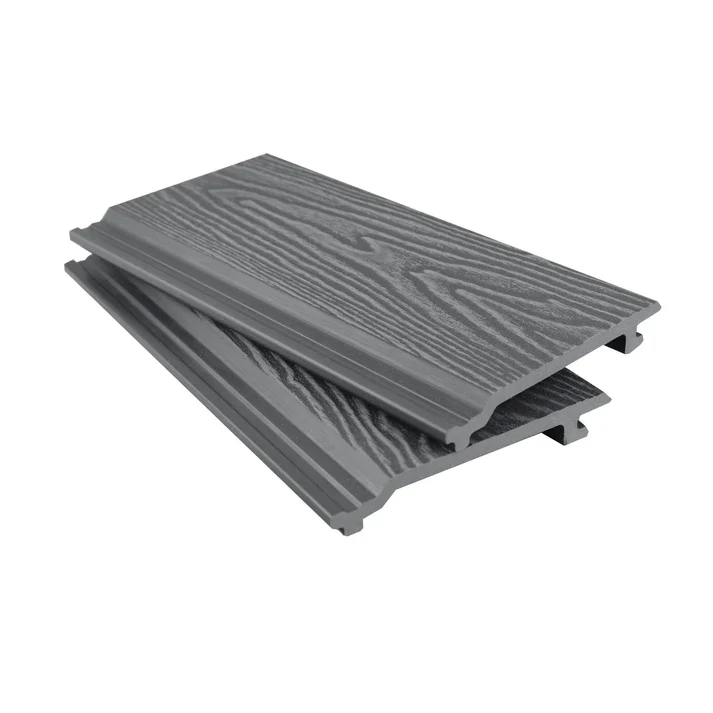
Alternative materials offer different maintenance requirements and finishes. For example, composite shiplap cladding can create the appearance of horizontal timber-style boards while offering an alternative to conventional wooden cladding.
The horizontal lines can help break up large wall surfaces and introduce a contemporary architectural detail.
Colour selection makes a considerable difference. Dark grey cladding can contrast with pale render, while natural wood-effect finishes can soften the appearance of modern extensions.
However, cladding should never be treated as a purely decorative decision. Suitable fixing systems, ventilation, moisture management and compliance with relevant building regulations must all be considered.
Homeowners should check whether planning permission or other approvals are required, particularly for listed buildings, properties in conservation areas or projects involving substantial changes to external finishes.
Use Exterior Lighting to Highlight Architectural Features
Lighting is often overlooked during exterior improvements, yet it can completely change how a property appears after dark.
A single traditional porch light may provide enough illumination to find the front door, but a more considered arrangement can improve both practicality and appearance.
Wall-mounted lights positioned beside an entrance can create a welcoming effect, while discreet downlights may highlight architectural features or textured wall finishes.
For properties with cladding or contrasting materials, carefully positioned lighting can emphasise the surface without making the exterior appear overly bright.
Warm white lighting generally creates a softer residential atmosphere than harsh, cool-toned fittings.
Consider how lights will affect neighbouring properties, particularly where homes are close together. Poorly directed fittings can cause unwanted glare through nearby windows.
Motion sensors and timers can help reduce unnecessary energy use while providing illumination when required.
Any permanent electrical installation should be carried out by a suitably qualified professional, using fittings appropriate for outdoor conditions.
Improve the Driveway and Front Garden Without Replacing Everything
The space surrounding a property can have just as much influence on its appearance as the building itself.
An overgrown front garden, stained paving or uneven driveway edges can make an otherwise attractive house appear neglected.
Fortunately, these problems do not always require a complete landscaping project.
Pressure washing suitable paving, removing weeds and repairing damaged edging can restore a cleaner, more organised appearance. However, care should be taken with older or delicate surfaces, as excessive pressure can cause damage.
Introducing planting beds or large outdoor planters can soften hard landscaping and add colour throughout the year.
Evergreen shrubs are particularly useful for maintaining structure during winter, while seasonal plants can introduce colour without requiring permanent changes.
For smaller front gardens, simplicity often works best. A clearly defined pathway, tidy planting and coordinated materials can make the space feel more welcoming.
Homeowners considering changes to front garden paving should also check drainage requirements. In England, certain impermeable surfaces installed over front gardens may require planning permission, depending on their size and drainage arrangements.
Create a Coordinated Look Across the Property
One of the most common mistakes when updating a home’s exterior is choosing individual improvements without considering how they work together.
A modern front door might look attractive in isolation, but pairing it with several unrelated materials and colours can make the overall appearance feel disjointed.
Start by selecting a small palette of complementary finishes.
For example, a home with warm red brickwork might suit natural timber-effect details, black metal fittings and understated planting. A rendered property could benefit from contrasting grey finishes and contemporary exterior lighting.
The aim is not necessarily to make every element match. Instead, repeated colours and materials can create a sense of consistency.
This approach is particularly useful when improvements are completed gradually rather than as one large project.
Homeowners can begin with smaller changes, such as replacing house numbers or updating lighting, before progressing to more substantial alterations.
Keeping samples of existing paint colours, paving and external materials can help when selecting future additions.
It is also worth considering how the property looks from neighbouring homes and the street. A successful exterior update should complement the surrounding environment while still reflecting personal preferences.
Conclusion
Improving a home’s exterior does not have to involve extensive building work or a complete redesign. Carefully selected changes to walls, entrances, lighting and outdoor spaces can make an older property feel considerably more contemporary.
The most successful projects begin with an understanding of the building’s existing features rather than simply following current design trends.
Materials should be chosen for their suitability, appearance and maintenance requirements, particularly given the demands of the British climate.
By planning improvements together and addressing the most noticeable areas first, homeowners can create a more attractive, coordinated exterior while keeping costs and disruption manageable. Even relatively modest changes can make a property feel better cared for and more enjoyable to come home to.
