



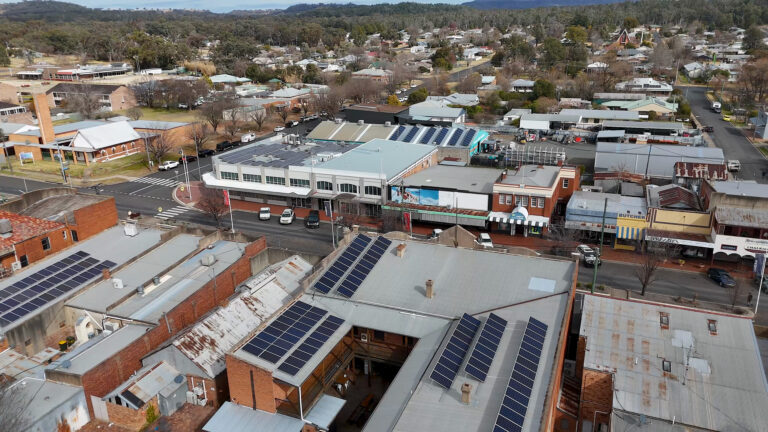
Operating a residential property—whether a single-family rental portfolio, a suburban townhouse complex, or a multi-unit apartment building—presents a continuous challenge in managing overhead expenses. Rising municipal water rates, shifting seasonal climate patterns, and aging mechanical infrastructure routinely swallow rental margins.
While many property owners focus exclusively on raising rents to boost revenue, managing operational expenses offers a far more predictable path to long-term cash flow stability. Implementing targeted energy efficiency upgrades directly curbs utility leakage, shields properties from volatile energy prices, and boosts overall asset valuation.
1. Identifying the Main Drivers of Residential Utility Leakage
Quick Answer: Unsealed building envelopes, outdated HVAC units, inefficient water heaters, and traditional lighting account for the vast majority of wasted energy and inflated utility bills in residential buildings.
Before investing in green technology, property owners must understand where utility dollars are lost. In most residential structures, thermal loss through uninsulated attics, drafty window frames, and unsealed exterior doors forces heating and cooling systems to run continuously.
Small, unseen inefficiencies compound rapidly across multi-unit properties. A single leaking toilet can waste up to 200 gallons of water per day, while an outdated central boiler consumes up to 30% more natural gas than a modern condensing unit. Pinpointing these structural vulnerabilities through a comprehensive energy audit establishes a clear roadmap for residential utility cost reduction.
2. High-Impact Retrofits That Deliver Immediate ROI
Quick Answer: Upgrading to smart thermostats, high-efficiency heat pumps, LED lighting, and low-flow plumbing fixtures yields rapid financial returns through instant utility savings.
Not all green retrofits require massive structural overhauls. Focusing on high-yield, short-payback improvements allows property managers to reduce monthly bills while preserving capital reserves.
| Retrofit Type | Estimated Cost | Annual Energy Reduction | Average Payback Period |
| LED Lighting Conversion | Low | 60% – 75% on lighting power | 6 to 12 months |
| Smart Thermostats | Low to Moderate | 10% – 15% on HVAC load | 1 to 2 years |
| Low-Flow Plumbing Fixtures | Low | 30% – 50% on water volume | 3 to 6 months |
| Attic Air Sealing & Insulation | Moderate | 15% – 20% on heating/cooling | 2 to 4 years |
| Heat Pump Water Heaters | Moderate to High | 50% – 70% on water heating | 3 to 5 years |
Prioritizing these targeted multifamily green building retrofits stabilizes monthly operating expenses while modernizing the building’s infrastructure.
3. Boosting Tenant Retention Through Environmental Comfort
Quick Answer: Energy-efficient buildings offer superior indoor air quality, stable room temperatures, and lower resident utility costs, which significantly reduces tenant turn costs.
Energy efficiency extends far beyond lowering electricity bills—it directly improves the living experience for residents. Buildings with air sealing and high-performance insulation maintain consistent indoor temperatures without drafts or cold spots.
When tenants pay their own utilities, lower monthly electric bills act as a powerful resident retention tool. When utility costs remain manageable, residents stay longer, reducing vacant unit turns, advertising expenses, and repainting costs. In master-metered properties where the landlord covers utility expenses, lower consumption directly expands monthly net operating margins.
4. Leveraging Government-Backed Capital for Green Overhauls
Quick Answer: Government-backed mortgage programs offer reduced interest rates and lower mortgage insurance premiums for properties that meet strict energy efficiency standards.
Executing large-scale capital improvements across a residential complex requires significant upfront funding. Fortunately, federal housing programs incentivize sustainable building upgrades by providing favorable credit terms to property owners who invest in green infrastructure.
When planning major structural or mechanical retrofits for apartment communities, securing competitive long-term debt is crucial. Utilizing an FHA multifamily loan allows real estate investors to refinance existing debt or finance acquisitions while rolling capital improvement costs directly into the mortgage. Furthermore, properties that achieve recognized green building certifications can qualify for HUD’s discounted Green Mortgage Insurance Premium (MIP) rates—lowering annual MIP fees down to 0.25%. This dual benefit lowers debt service while permanently trimming building utility overhead.
5. Myth vs. Fact: Energy Efficiency in Residential Properties
Clearing up common industry misconceptions helps property managers make smarter capital allocation choices:
- Myth: “Green energy upgrades take 10 to 20 years to recoup their initial investment.”
- Fact: Many low-cost retrofits—such as smart thermostats, LED lighting, and low-flow aerators—pay for themselves in under 18 months through utility savings.
- Myth: “Solar panels are the only way to make a building energy efficient.”
- Fact: Sealing air leaks, upgrading HVAC equipment, and improving insulation yield higher energy savings per dollar spent than installing solar panels on an unsealed building.
- Myth: “Energy upgrades only benefit properties where the landlord pays all utilities.”
- Fact: Tenant-paid utility buildings enjoy higher retention rates, lower turnover expenses, and higher asset valuations when utility costs remain low.
6. Actionable Checklist for Lowering Residential Overhead
Use this practical audit checklist to systematically reduce utility overhead across your residential property:
- [ ] Schedule an Energy Audit: Hire a certified auditor to perform a blower-door test and thermal imaging scan to locate insulation gaps.
- [ ] Upgrade Lighting Systems: Replace all hallway, exterior, and unit fixtures with long-life LED bulbs and motion sensors.
- [ ] Install Water Conservation Hardware: Swap out old showerheads and faucet aerators for high-efficiency models rated under 1.5 gallons per minute.
- [ ] Seal Building Envelopes: Apply weatherstripping around exterior doors, apply caulk around window frames, and seal attic access hatches.
- [ ] Automate Climate Controls: Install tamper-proof smart thermostats in common areas and offer programmable units to residents.
- [ ] Review Financing Incentives: Explore state utility rebates and HUD green financing programs to fund larger mechanical upgrades.
Lowering residential operating overhead requires a shift from reactive repairs to strategic environmental management. By identifying thermal leaks, installing high-ROI energy retrofits, and leveraging green financing incentives, property owners achieve significant property net operating income optimization. Sustainable upgrades lower monthly utility bills, protect property value against rising energy prices, and deliver a comfortable, attractive living environment that keeps residents satisfied for years to come.
