



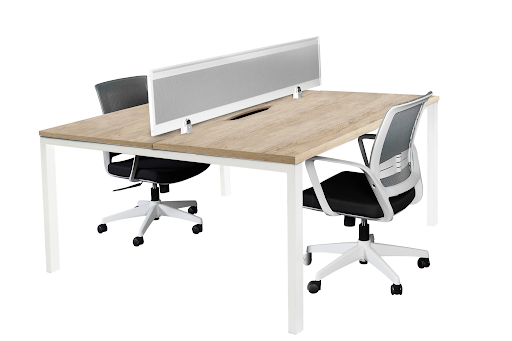
Creating a productive work environment begins with the right choice of office furniture. The furniture you select not only influences the aesthetics of your workspace but also impacts the efficiency, comfort, and overall health of those who use it. An informed approach to designing your work area can lead to improved productivity and well-being.
Understanding Workspace Needs
Before selecting any office furniture, it is crucial to assess the specific needs of your workspace. Consider the nature of the work performed, the number of people who will use the space, and any specific requirements such as ergonomic considerations or additional storage. A tailored approach ensures that the furniture meets both functional and aesthetic needs.
Ergonomic Considerations
One of the most important aspects of creating a productive environment is ensuring that the office furniture is ergonomically designed. Ergonomics can significantly improve comfort and reduce the risk of musculoskeletal disorders. Look for chairs and desks that promote good posture and provide adequate adjustability.
Choosing the Right Desks
Desks are central to any workspace. When choosing a desk, consider the size, shape, and height that will best suit the tasks being performed. Adjustable desks are becoming increasingly popular as they allow users to alternate between sitting and standing, promoting better circulation and reducing fatigue.
Selecting Suitable Chairs
Chairs are crucial for a comfortable work environment. An ideal office chair should offer support for the lower back, be adjustable, and allow for movement. Investing in high-quality chairs can lead to greater productivity and less discomfort.
Storage Solutions
Effective storage solutions help alleviate clutter, contributing to a more organized and efficient workspace. Consider a mix of shelving, cabinets, and filing systems that provide easy access while keeping the workspace tidy. Customisable storage units can adapt to changing needs and maximise space use.
Enhancing Lighting Conditions
Lighting plays a vital role in productivity. Natural light is best, but when this is not possible, ensure that artificial lighting is adequate and does not strain the eyes. Adjustable task lighting can be beneficial for precision work and reduces eye strain.
Accessorising Thoughtfully
While functionality is vital, thoughtful accessorising can enhance both the look and feel of your workspace. Consider incorporating items that inspire creativity and motivation, such as artwork or plants, which can also contribute to better air quality and mood enhancement.
The Role of Colours and Materials
The choice of colours and materials can significantly affect the atmosphere in a workspace. Calming colours and natural materials can help reduce stress and increase concentration levels. Consider how different colours and textures can influence both employee well-being and client perception.
Space Efficiency
In locations where space is limited, efficient use of every square metre is crucial. Multi-functional furniture and innovative layout solutions can increase the utility of the available space, enabling a more effective working environment.
Technology Integration
Modern workspaces need to accommodate technology. Ensure that your furniture has built-in solutions for cable management and space for tech tools to prevent clutter and ensure a clean work surface.
Quality and Sustainability
Investing in quality furniture is paramount for longevity and sustainability. Look for durable materials and consider suppliers that use sustainable practices. High-quality furniture may have a higher initial cost but offers better performance and decreased need for replacement.
Customisation Options
Customisation of office furniture can help cater to specific needs and preferences, making the workspace more personal and effective. Whether through colour, material, or design, personal touches can align the workspace more closely with the organisation’s culture.
Planning for Growth
When selecting furniture, consider future needs and the potential for expansion. Modular furniture systems can provide the flexibility required to adapt to a growing business, ensuring that the workspace can evolve without significant disruption.
Conclusion
The design of a productive workspace is greatly influenced by the thoughtful selection and arrangement of office furniture. Each component, from ergonomic chairs to efficient storage, contributes to an environment that fosters productivity and well-being. Selecting high-quality, sustainable, and customisable furniture can provide long-term benefits and adaptability to future changes. To create the ideal workspace, consider consulting with professionals who specialise in workspace design and office furniture.
