



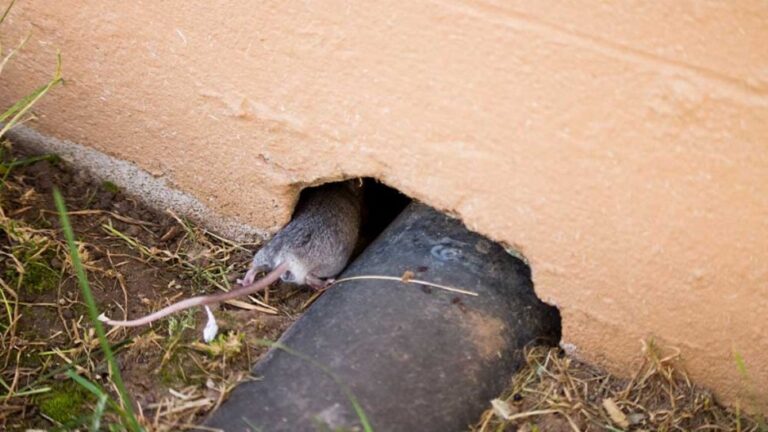
Mice may look harmless, but they can quickly become one of the most destructive household pests. Once inside your home, they contaminate food, chew through electrical wiring, damage insulation, and spread harmful bacteria. Since mice reproduce rapidly, even a small infestation can grow into a major problem within a short time.
The good news is that prevention is far easier and less expensive than dealing with a full-blown infestation. By taking proactive measures, homeowners can significantly reduce the chances of mice entering their property. If you already suspect rodent activity, seeking professional Mouse Pest Control London services can help stop the problem before it worsens.
Below are ten practical and effective ways to keep mice out of your home.
- Seal Every Possible Entry Point
Mice can squeeze through surprisingly small gaps—some as little as 6 mm (about the width of a pencil). Carefully inspect both the interior and exterior of your property for openings.
Pay close attention to:
- Cracks in brickwork
- Gaps around doors and windows
- Holes around plumbing pipes
- Utility cable openings
- Roof vents
- Air bricks
Seal openings using durable materials such as steel wool, metal mesh, or exterior-grade sealant. Blocking entry points is one of the most effective long-term prevention methods.
- Keep Food Properly Stored
Food is one of the biggest reasons mice enter homes. Even tiny crumbs or open food packages can attract rodents.
Store food in airtight containers, including:
- Cereals
- Flour
- Rice
- Pasta
- Pet food
- Snacks
Don’t forget to clean kitchen counters, dining tables, and floors daily. Empty rubbish bins regularly and always use tightly fitting lids.
- Eliminate Water Sources
Like all living creatures, mice need water to survive. Leaking pipes and standing water provide ideal drinking sources.
Inspect your home for:
- Dripping taps
- Leaking pipe joints
- Damp basements
- Overflowing gutters
- Condensation around appliances
Fixing moisture problems not only discourages mice but also prevents mould and other household issues.
- Maintain a Clean Kitchen
Kitchens provide everything mice need—food, water, and warmth.
Simple cleaning habits make a huge difference:
- Wipe down worktops after meals
- Sweep and vacuum regularly
- Clean behind appliances
- Avoid leaving dirty dishes overnight
- Remove food spills immediately
A consistently clean kitchen becomes far less attractive to rodents.
- Reduce Outdoor Hiding Places
Your garden can act as a staging area before mice enter your home.
Keep outdoor areas tidy by:
- Cutting back overgrown vegetation
- Removing piles of leaves
- Storing firewood away from walls
- Keeping compost bins sealed
- Trimming shrubs touching the house
The fewer hiding places available, the less likely mice are to settle near your property.
- Store Pet Food Carefully
Many homeowners unknowingly attract mice with pet food.
Avoid leaving food bowls out overnight, especially if you have:
- Dogs
- Cats
- Rabbits
- Birds
Store unopened pet food in sealed plastic or metal containers instead of paper bags, which mice can easily chew through.
- Declutter Your Home
Clutter creates excellent nesting sites for rodents.
Pay special attention to:
- Loft spaces
- Garages
- Basements
- Storage cupboards
- Utility rooms
Organise stored items using plastic storage boxes rather than cardboard boxes, which mice often use for nesting material.
- Inspect Your Property Regularly
Routine inspections help catch small problems before they become large infestations.
Watch for warning signs such as:
- Mouse droppings
- Gnaw marks
- Scratching sounds in walls
- Greasy rub marks
- Nesting materials
- Unpleasant odours
Early detection often prevents extensive property damage.
- Keep Doors and Windows Secure
Small gaps beneath exterior doors provide easy access for mice.
Install:
- Door sweeps
- Weather stripping
- Window screens
- Brush seals for garage doors
Also, avoid leaving doors open for extended periods, especially during colder months when rodents actively seek warmth indoors.
- Schedule Professional Pest Inspections
Even with excellent prevention habits, mice sometimes find hidden ways into a property. Professional inspections can identify vulnerabilities that homeowners often overlook.
Experienced pest specialists can:
- Locate hidden entry points
- Detect early infestations
- Recommend preventative measures
- Provide long-term rodent management strategies
Routine inspections are especially valuable for older homes or properties located near parks, fields, restaurants, or waterways where rodent populations tend to be higher.
Why Mice Are More Than Just a Nuisance
Many people underestimate the risks associated with mice.
They can:
- Contaminate food with urine and droppings
- Damage electrical wiring, increasing fire risks
- Destroy insulation
- Chew wooden structures
- Spread bacteria and parasites
- Trigger allergies in sensitive individuals
Ignoring early signs often allows these problems to escalate rapidly.
Common Mistakes That Invite Mice Indoors
Even well-maintained homes sometimes unknowingly attract rodents.
Avoid these common mistakes:
- Leaving pet food out overnight
- Overfilled rubbish bins
- Unsealed pantry foods
- Ignoring small wall cracks
- Storing clutter against exterior walls
- Allowing vegetation to grow against the property
- Delaying repairs to damaged doors or vents
Making small changes today can prevent costly infestations tomorrow.
Seasonal Tips for Mouse Prevention
Mice are especially active during autumn and winter as temperatures drop.
During colder months:
- Inspect your home’s exterior more frequently.
- Seal new cracks immediately.
- Store firewood away from the house.
- Keep garages organised.
- Monitor loft spaces regularly.
Seasonal maintenance helps keep rodents from seeking shelter indoors.
When Should You Call a Professional?
If you’ve noticed recurring signs of mice despite your prevention efforts, it’s time to seek expert help.
Professional Pest Control London services can quickly assess the severity of the problem and implement effective treatments that target both the rodents and the conditions attracting them.
Prompt action prevents:
- Larger infestations
- Costly property repairs
- Food contamination
- Health risks
- Ongoing structural damage
Final Thoughts
Preventing mice from entering your home requires a combination of good housekeeping, regular inspections, and proper home maintenance. Sealing entry points, storing food securely, reducing clutter, and eliminating water sources all play an important role in keeping rodents away.
While no home is completely immune to mice, following these ten preventative measures will significantly lower your risk of an infestation. If mice continue to appear despite your best efforts, professional pest control can provide a safe, effective, and long-lasting solution. Acting early is always the best strategy for protecting your home, your belongings, and your family’s health.
