



Introduction
Modern plumbing systems are designed to provide convenience, efficiency, and long-lasting performance, but even the strongest pipes can develop problems over time due to grease buildup, soap residue, mineral deposits, food particles, tree roots, and other forms of debris. Many homeowners and business owners only think about their plumbing when a drain becomes clogged or water begins backing up, but by then the blockage has often become severe enough to require professional attention. While traditional drain cleaning methods may temporarily remove an obstruction, they often fail to eliminate the buildup that remains attached to the inner walls of the pipes. This leftover debris eventually causes new clogs, unpleasant odors, and reduced water flow. One of the most effective modern solutions for addressing these issues is hydro jetting, a professional cleaning technique that restores pipes by using highly pressurized water to remove accumulated waste without relying on harsh chemicals. Unlike temporary fixes, this method cleans the entire interior surface of the plumbing system, helping improve water flow, extend pipe lifespan, and reduce the likelihood of recurring blockages. Understanding how this advanced process works and when it should be used allows property owners to make informed decisions that protect their plumbing investment while minimizing future repair costs.
Understanding How Professional Pipe Cleaning Works
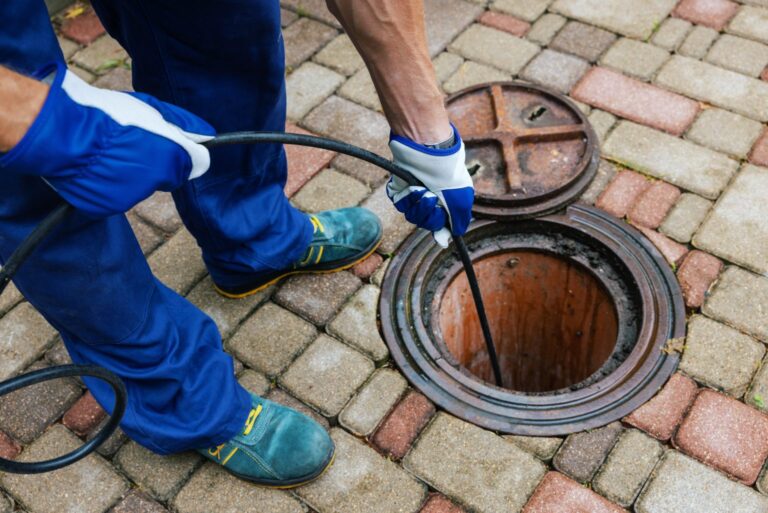
Plumbing systems experience constant use every day, making them vulnerable to gradual buildup that often goes unnoticed until serious drainage problems occur. Cooking grease, hair, soap scum, food waste, paper products, mineral scale, and various organic materials slowly adhere to the inside of pipes, reducing the available space for wastewater to pass through. Over months or years, these deposits harden and become increasingly difficult to remove with simple drain cleaners or handheld plumbing tools. Professional plumbers often recommend hydro jetting because it provides a comprehensive cleaning process rather than simply punching a hole through a blockage. During the procedure, specialized equipment pumps water through a reinforced hose at extremely high pressure. The force of the water effectively scrubs the inner walls of the pipe, breaking apart stubborn grease, sludge, roots, mineral deposits, and accumulated debris before flushing them completely out of the system. Because the cleaning action reaches every part of the pipe interior, the result is a plumbing system that functions much closer to its original condition. This approach not only restores proper drainage but also minimizes the chance that leftover residue will create another clog in the near future.
Common Causes of Drain and Sewer Blockages
Many plumbing issues develop gradually rather than suddenly, making routine maintenance essential for preventing expensive repairs. Kitchen drains frequently become clogged with cooking oils, grease, coffee grounds, food scraps, and soap residue. Bathroom drains collect hair, toothpaste, soap scum, and cosmetic products that eventually combine into dense blockages. Laundry rooms contribute lint, detergent residue, and fabric fibers that slowly restrict water flow over time. In larger plumbing systems, mineral deposits from hard water accumulate along pipe walls, reducing the pipe’s internal diameter and decreasing drainage efficiency. Outdoor sewer lines face additional challenges, particularly when tree roots seek moisture by growing into tiny cracks or joints in underground pipes. Once inside, roots expand and trap debris, creating severe blockages that continue to worsen if left untreated. Even flushing items labeled as “flushable” can contribute to long-term plumbing issues because many products do not break down as easily as ordinary toilet paper. Regular inspections and preventive maintenance help identify these developing problems before they lead to complete system failure, flooding, or costly emergency repairs.
Benefits of Choosing Advanced Water Pressure Cleaning
Professional pipe cleaning offers numerous advantages that extend beyond simply clearing a clogged drain. One of its greatest benefits is the ability to thoroughly clean the entire interior surface of plumbing pipes instead of removing only the immediate obstruction. By eliminating grease, sludge, scale, and debris throughout the system, water flows more efficiently and drains empty more quickly. This improved performance reduces strain on the plumbing network and lowers the likelihood of future backups. Another significant advantage is that the process relies solely on pressurized water rather than harsh chemical drain cleaners that may damage pipes or create environmental concerns. The absence of corrosive chemicals makes the procedure a safer choice for many plumbing systems while also reducing chemical exposure within the property. Additionally, professional cleaning can help eliminate unpleasant odors caused by decomposing organic material trapped inside pipes. Property owners often notice fresher-smelling kitchens, bathrooms, and utility areas after the cleaning process is completed. Long-term maintenance also becomes easier because cleaner pipes accumulate debris more slowly than pipes already coated with thick residue.
Situations Where This Cleaning Method Is Most Effective
Not every plumbing issue requires the same solution, but there are several situations where hydro jetting provides exceptional results. Recurring drain clogs that continue to return despite repeated snaking often indicate that significant buildup remains inside the pipes. Slow drains affecting multiple fixtures may point to widespread accumulation within the plumbing system rather than a single localized blockage. Sewer line backups caused by grease, sludge, mineral scale, or tree roots are also common situations where high-pressure water cleaning proves highly effective. Commercial kitchens, restaurants, apartment buildings, schools, healthcare facilities, and industrial properties often rely on preventive pipe cleaning because their plumbing systems experience heavy daily usage. Regular maintenance helps these facilities avoid unexpected shutdowns and expensive emergency plumbing repairs. Residential homeowners can also benefit from scheduled cleaning when purchasing an older home, preparing for major renovations, or maintaining aging plumbing infrastructure that has experienced years of continuous use.
The Importance of Professional Inspection Before Cleaning
Although high-pressure pipe cleaning is extremely effective, experienced plumbers typically perform a detailed inspection before beginning the process. Specialized sewer cameras allow technicians to examine the condition of the pipes and identify cracks, collapsed sections, severe corrosion, or structural damage that could require repair before cleaning begins. Camera inspections also help determine the exact location and severity of blockages, enabling technicians to select the appropriate water pressure for each specific situation. This careful evaluation minimizes unnecessary risk while ensuring the cleaning process achieves the best possible results. Older pipes constructed from fragile materials may require alternative cleaning methods if their structural integrity has significantly deteriorated. By combining visual inspections with professional expertise, plumbers develop customized solutions that protect the plumbing system while restoring optimal performance.
Preventive Maintenance Saves Time and Money
Many property owners wait until a plumbing emergency occurs before contacting a professional, but preventive maintenance often proves far more cost-effective over the long term. Minor buildup that is removed during routine maintenance is significantly easier to address than severe blockages that have developed over several years. Preventive cleaning helps reduce emergency service calls, minimizes the risk of water damage, extends equipment lifespan, and maintains efficient drainage throughout the property. Businesses particularly benefit from scheduled maintenance because plumbing failures can interrupt daily operations, inconvenience customers, and create sanitation concerns. Homeowners also enjoy greater peace of mind knowing their plumbing system receives regular professional attention before small issues develop into expensive repairs. Investing in preventive maintenance demonstrates a proactive approach that protects both the property’s infrastructure and its long-term value.
Comparing Traditional Drain Cleaning Methods
Traditional drain snakes remain useful for removing isolated blockages, particularly when a foreign object has become lodged inside a pipe. However, these mechanical tools generally create a narrow opening through the clog without removing the surrounding buildup attached to the pipe walls. As a result, grease, sludge, soap residue, and mineral deposits often remain inside the plumbing system, allowing new blockages to form relatively quickly. Chemical drain cleaners may appear convenient, but repeated use can contribute to pipe corrosion while exposing occupants to potentially hazardous chemicals. Professional hydro jetting differs because it thoroughly cleans the pipe’s interior rather than simply restoring temporary water flow. By removing accumulated residue throughout the system, it offers a more comprehensive and longer-lasting solution for many common drainage problems.
Maintaining Healthy Plumbing After Professional Cleaning
Once a plumbing system has been professionally cleaned, adopting healthy maintenance habits helps preserve its improved condition for many years. Grease should never be poured directly into kitchen drains because it solidifies as it cools and gradually traps other debris. Food scraps, coffee grounds, eggshells, and fibrous vegetables should be disposed of in appropriate waste containers rather than washed into the plumbing system. Bathroom drains benefit from simple hair-catching devices that prevent excessive hair accumulation inside pipes. Avoid flushing paper towels, wet wipes, hygiene products, cotton swabs, or similar materials that do not break down efficiently in water. Scheduling periodic plumbing inspections allows professionals to detect developing issues before they become serious enough to require emergency intervention. Consistent maintenance habits significantly reduce the frequency of major plumbing problems while helping the entire drainage system operate at maximum efficiency.
Conclusion
A reliable plumbing system plays an essential role in maintaining comfort, sanitation, and convenience in every residential or commercial property. While occasional clogs may seem like minor inconveniences, recurring drainage problems often indicate deeper issues developing within the pipes themselves. Addressing these concerns early through professional cleaning provides a practical way to restore efficient water flow, improve overall system performance, and reduce the likelihood of costly repairs in the future. By thoroughly removing grease, sludge, mineral deposits, roots, and accumulated debris, hydro jetting delivers a comprehensive cleaning solution that goes far beyond temporary clog removal. Combined with regular inspections, preventive maintenance, and responsible everyday plumbing habits, this advanced cleaning method helps ensure that pipes remain cleaner, healthier, and more reliable for years to come. Investing in proper plumbing maintenance today ultimately protects property value, reduces unexpected repair expenses, and contributes to a more efficient and dependable drainage system for the future.
