



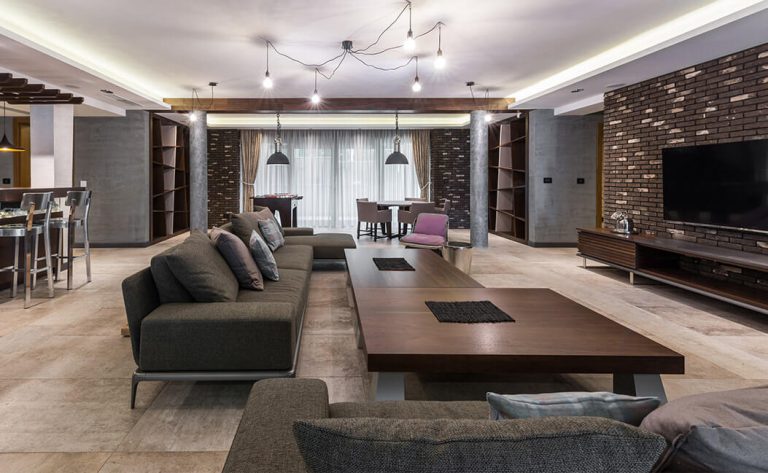
A well-designed home is more than just a place to live. It is a reflection of personal style, comfort, functionality, and long-term investment. Over time, changing lifestyles, growing families, technological advancements, and evolving design trends often create a need to update existing living spaces. Whether the goal is to improve comfort, increase property value, enhance energy efficiency, or modernize outdated interiors, strategic improvements can dramatically change the way a property looks and functions.
Many property owners eventually reach a point where their current space no longer meets their needs. Rooms may feel cramped, storage may be insufficient, or design elements may appear outdated compared to modern standards. Rather than moving to a new property, many people choose to improve their existing homes through carefully planned upgrades. This approach allows homeowners to customize their environment while preserving the familiarity and emotional connection they have with their property.
The success of any improvement project depends on thoughtful planning, realistic budgeting, and a clear understanding of priorities. By approaching the process strategically, homeowners can achieve results that enhance both daily living and long-term value.
Understanding the Purpose Behind Property Improvements
Before beginning any project, it is important to identify the primary objective. Some homeowners focus on aesthetics, aiming to create a more modern and visually appealing environment. Others prioritize functionality by improving storage, expanding living areas, or upgrading essential systems. In many cases, a combination of goals drives the decision to invest in improvements.
Understanding the purpose behind a project helps guide every subsequent decision. For example, a family expecting additional members may prioritize larger living spaces and additional bedrooms. A homeowner preparing to sell may focus on upgrades that offer the highest return on investment. Meanwhile, individuals planning to remain in their homes for many years may choose improvements that maximize comfort and convenience.
Establishing clear goals at the beginning reduces confusion and helps ensure that every investment contributes to the desired outcome. It also prevents unnecessary spending on features that do not align with long-term objectives.
The Importance of Strategic Planning
One of the most critical elements of a successful home renovation project is comprehensive planning. Rushing into construction without a clear roadmap often leads to delays, budget overruns, and disappointing results. A well-developed plan serves as the foundation for every stage of the project.
Planning typically begins with an assessment of the property’s current condition. Homeowners should evaluate structural elements, electrical systems, plumbing, insulation, flooring, and overall layout. Identifying existing issues early helps prevent unexpected complications later in the process.
Budget development is equally important. Every project should include estimates for materials, labor, permits, design services, and contingency expenses. Unexpected challenges can arise even in well-managed projects, making it wise to allocate additional funds for unforeseen circumstances.Creating a realistic timeline is another essential component of planning. Larger projects often require coordination among multiple professionals, including designers, contractors, electricians, plumbers, and inspectors. A clear schedule helps keep the project organized and minimizes disruptions to daily life.
Enhancing Functionality Through Better Design
Modern living demands spaces that support a wide range of activities. Homes today often serve as workplaces, entertainment centers, learning environments, and relaxation spaces simultaneously. As a result, functionality has become one of the most important considerations in residential design.
Open-concept layouts remain popular because they create a greater sense of space and improve interaction among family members. Removing unnecessary barriers between kitchens, dining areas, and living rooms can make a property feel larger and more welcoming. However, successful design balances openness with practicality by ensuring that each area maintains its intended purpose.Storage solutions also play a significant role in functionality. Built-in cabinets, custom shelving, multifunctional furniture, and efficient closet systems help maximize available space while reducing clutter. Thoughtful storage design contributes to a cleaner, more organized living environment.
Natural light is another important factor. Larger windows, skylights, and strategically placed glass doors can improve brightness and create a stronger connection between indoor and outdoor spaces. These enhancements often make rooms feel more spacious and inviting.
Modern Kitchen Improvements and Their Impact
The kitchen is often considered the heart of the home. It serves as a gathering place for family and friends while supporting essential daily activities. Because of its importance, kitchen upgrades frequently deliver substantial benefits in terms of functionality, aesthetics, and property value.
Contemporary kitchen design emphasizes efficiency and organization. Improved layouts can reduce unnecessary movement while enhancing workflow between preparation, cooking, and cleaning areas. Features such as large islands, walk-in pantries, and custom cabinetry contribute to greater convenience.Material selection also plays a major role in creating an attractive kitchen. Durable countertops, quality cabinetry, modern fixtures, and stylish backsplashes help establish a cohesive appearance. Advances in appliance technology further improve functionality through energy-efficient and smart-enabled features.
Investing in kitchen improvements can significantly influence the overall appeal of a property. Potential buyers often place considerable emphasis on kitchen quality when evaluating homes, making this area a priority for many property owners.Bathrooms have evolved from purely functional spaces into areas designed for comfort and relaxation. Modern bathroom design often incorporates elements associated with spa-like experiences, helping homeowners create a private retreat within their own property.Upgrades may include larger showers, freestanding bathtubs, improved lighting, and enhanced ventilation systems. High-quality materials such as natural stone, premium tile, and elegant fixtures contribute to a sophisticated appearance while providing long-term durability.
Storage remains a critical consideration in bathroom design. Well-planned vanities, built-in shelving, and organized cabinetry improve functionality while maintaining a clean aesthetic. Proper planning ensures that frequently used items remain accessible without creating visual clutter.Accessibility improvements are also becoming increasingly important. Features such as walk-in showers, non-slip flooring, and wider doorways support long-term usability and accommodate changing mobility needs.
Improving Energy Efficiency and Sustainability
Energy efficiency has become a major priority for homeowners seeking to reduce utility costs and minimize environmental impact. Modern upgrades often focus on improving insulation, reducing energy consumption, and enhancing overall building performance.
Windows and doors play a crucial role in energy efficiency. Replacing outdated units with modern, insulated alternatives can significantly improve temperature regulation while reducing heating and cooling expenses. Improved sealing also minimizes drafts and enhances indoor comfort.Heating and cooling systems are another important consideration. Upgrading to high-efficiency HVAC equipment can lower energy consumption while providing more consistent climate control. Smart thermostats further enhance efficiency by allowing homeowners to optimize temperature settings based on occupancy patterns.
Sustainable materials are increasingly popular in residential projects. Recycled products, responsibly sourced wood, low-emission paints, and environmentally friendly flooring options support healthier indoor environments while reducing ecological impact.Technology continues to reshape residential design. Smart home systems provide convenience, security, and energy management capabilities that were once considered futuristic. Integrating technology during a home renovation project allows homeowners to create spaces that support modern lifestyles.
Smart lighting systems enable users to control brightness and schedules remotely. Advanced security systems provide real-time monitoring and notifications, enhancing peace of mind. Automated climate control systems optimize comfort while reducing energy waste.
Entertainment systems have also become increasingly sophisticated. Integrated audio, hidden wiring solutions, and dedicated media spaces contribute to cleaner aesthetics and improved user experiences. As technology evolves, flexible infrastructure becomes important for accommodating future upgrades.The key to successful technology integration is balancing innovation with practicality. Systems should enhance daily life without creating unnecessary complexity.
Maximizing Property Value Through Strategic Investments
Not every improvement provides the same financial return. Homeowners interested in maximizing property value should focus on projects that combine functionality, durability, and broad market appeal. Kitchens, bathrooms, energy-efficient upgrades, and curb appeal enhancements consistently rank among the most valuable investments.
Exterior improvements often create a strong first impression. Updated entryways, landscaping, roofing, siding, and outdoor living spaces can significantly enhance overall appearance. Potential buyers frequently form opinions within moments of viewing a property, making exterior presentation particularly important.
Interior upgrades should prioritize quality over excessive customization. While unique design choices may reflect personal preferences, broadly appealing features often provide stronger resale potential. Neutral color palettes, durable materials, and timeless design elements tend to remain attractive to a wider audience.
Avoiding Common Project Challenges
Even well-planned projects can encounter obstacles. Understanding common challenges helps homeowners prepare for potential complications and minimize disruptions.
Budget overruns are among the most frequent issues. Unexpected structural problems, material price fluctuations, and design changes can increase costs significantly. Maintaining a contingency fund helps absorb these surprises without jeopardizing project completion.
Communication problems can also create difficulties. Clear expectations between homeowners, designers, and contractors are essential for avoiding misunderstandings. Detailed contracts, regular progress meetings, and documented decisions contribute to smoother project execution.Another common challenge involves unrealistic timelines. Quality work requires adequate time for planning, permitting, construction, and inspections. Rushing the process often leads to mistakes that may require costly corrections later.
Balancing Trends with Timeless Design
Design trends influence residential projects, but not all trends remain popular over time. While incorporating contemporary elements can create a fresh appearance, balancing trends with timeless design principles helps ensure long-term satisfaction.
Classic architectural details, neutral color schemes, and high-quality materials tend to age gracefully. These foundational elements provide flexibility for future style updates without requiring major structural changes. Trend-driven accents can then be introduced through furniture, décor, lighting, and accessories.
This balanced approach allows homeowners to enjoy current design influences while preserving long-term appeal. It also supports stronger resale value by avoiding overly specialized aesthetics that may not resonate with future buyers.
Looking Toward the Future of Residential Improvements
The future of residential design will likely continue emphasizing flexibility, sustainability, technology integration, and wellness-focused environments. As lifestyles evolve, homeowners increasingly seek spaces that adapt to changing needs while promoting comfort and efficiency.
A successful home renovation project should not only address current requirements but also anticipate future demands. Flexible layouts, durable materials, energy-efficient systems, and adaptable technology infrastructure help ensure long-term relevance. These considerations support both everyday functionality and lasting value.
Ultimately, improving a property is about creating a space that enhances quality of life. Thoughtful planning, strategic investments, and attention to detail allow homeowners to transform ordinary houses into highly functional and attractive living environments. Through careful decision-making and professional execution, a well-managed home renovation can deliver benefits that extend far beyond aesthetics, providing comfort, efficiency, and satisfaction for many years to come.
