



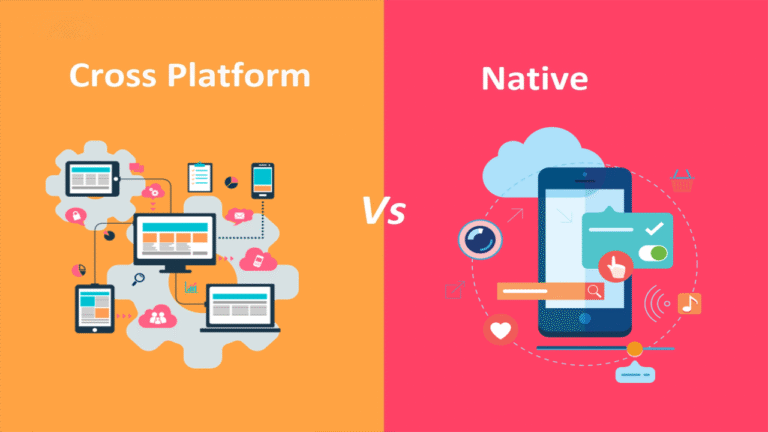
Introduction to Modern App Development Choices
In the current digital era, mobile applications have become a key part of how businesses engage with their audience and deliver services. Whether you are starting a new venture or growing an established brand, the method you choose to build your app can directly influence its performance, usability, and long-term success. The two most common approaches native development and cross-platform development offer different benefits depending on your goals. Having a clear understanding of both options will help you choose a direction that aligns with your business needs and future plans.
What Is Native App Development?
In this approach, developers use dedicated programming languages like Swift for Apple devices and Kotlin or Java for Android platforms. Because the app is built exclusively for one system, it can take full advantage of the device’s features, system resources, and performance capabilities.
Performance Comparison: Native vs. Cross-Platform
In terms of performance, native applications usually deliver stronger results because they are designed specifically for one platform. They can directly utilize the device’s hardware and system-level optimizations, leading to quicker loading, smoother interactions, and better overall responsiveness. Cross-platform apps, while efficient for many use cases, may face minor performance challenges, particularly in applications that require heavy graphics processing or complex user interactions.
Development Time and Cost Efficiency
Since developers work with a single codebase that runs on multiple platforms, the overall development process becomes faster and requires fewer resources. This approach allows businesses to launch their apps more quickly and efficiently. For companies operating within budget constraints, cross-platform development can be a more practical and economical choice.
User Experience and Interface Design
Native applications are known for delivering a polished and consistent interface because they are designed according to the specific guidelines of each platform. While cross-platform apps have improved significantly, they may not always perfectly match the native look and behavior. That said, advancements in technologies like React Native App Development have made it possible to create interfaces that closely resemble native apps, offering a strong balance between design consistency and efficiency.
Maintenance and Updates
Keeping a mobile application running smoothly requires continuous updates, regular bug fixes, and ongoing performance enhancements. In native development, these changes must be applied separately to each platform, which can increase both effort and long-term costs. In contrast, cross-platform applications use a shared codebase, allowing developers to roll out updates across multiple platforms at the same time.
Scalability and Future Growth
As businesses expand, their applications need to handle increased traffic, new features, and evolving user demands. Native apps are well-suited for this growth because they offer strong flexibility and can easily support complex functionalities and high-performance requirements. This makes them a reliable option for apps that require frequent updates or advanced integrations. Cross-platform apps can also grow alongside a business, but they may encounter challenges when dealing with highly specialized features or platform-specific capabilities.
Access to Device Features
Native app development allows direct interaction with a device’s built-in capabilities, including the camera, GPS, sensors, and Bluetooth. Because these apps are designed specifically for a single platform, they can integrate with hardware features more smoothly and efficiently. This makes native development a strong choice for applications that depend heavily on device functionality. While cross-platform frameworks also provide access to many of these features through APIs and third-party plugins, the integration process may not always be as seamless or optimized as it is in native applications.
Security Considerations
Native apps are often considered more secure because they are built using platform-specific technologies, allowing developers to apply security practices that are tailored to each operating system. This enables better control over data protection and system-level safeguards. Cross-platform applications can also achieve strong security, but they may need extra configurations and additional layers to maintain consistent protection across different platforms.
The Role of React Native App Development
React Native App Development has emerged as a leading option for building cross-platform mobile applications. One of its key strengths is delivering performance that closely matches native apps while allowing components to be reused across platforms. This combination helps businesses speed up development without sacrificing too much in terms of quality or user experience, making it a preferred choice for many modern projects.
When Should You Choose Native Development?
Native development is the ideal option when your app demands high performance, a seamless user experience, and advanced capabilities. It works especially well for complex applications such as games, real-time platforms, or solutions that require deep interaction with device hardware. If your business has the budget and aims to deliver a high-quality, polished product, investing in native development can provide long-term benefits and superior results.
When Is Cross-Platform Development the Right Choice?
Cross-platform development is a smart option for businesses that want to enter the market quickly while keeping costs under control. It is especially suitable for content-driven apps, MVPs (Minimum Viable Products), and projects that do not demand intensive processing or advanced animations. This approach allows companies to validate their ideas, gather user feedback, and make improvements without investing heavily in separate platform-specific development from the start.
Choosing the Right Approach for Your Business
Deciding between native and cross-platform development requires a clear understanding of your business needs and project goals. Factors such as budget, development timeline, target users, and the complexity of your application all play an important role in this decision. If your priority is to launch quickly while keeping costs manageable, a cross-platform approach can be a suitable option. However, if your focus is on delivering high performance, advanced features, and a superior user experience, native development often proves to be the more effective choice.
Conclusion: Finding the Best Fit for Your Needs
Native and cross-platform development each offer distinct benefits and the ideal choice will vary depending on your project’s goals and requirements. Native apps are well-suited for projects that demand high speed, reliability, and a refined user experience. In contrast, cross-platform solutions such as React Native App Development make it easier to build and launch applications faster while keeping development costs under control, making them a practical option for many businesses.
For businesses looking to build high-performing and scalable mobile applications, partnering with experts like Devsinc can make a meaningful difference. With proven experience in delivering modern solutions, Devsinc helps businesses choose the right strategy and execute it effectively. You can explore more about their services and mobile solutions, ensuring your app is built for performance, growth, and user satisfaction.
