



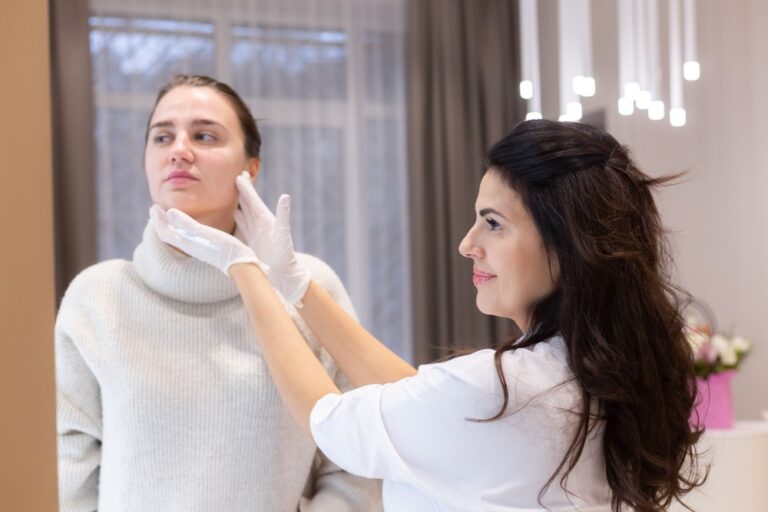
If you are planning a facelift in Turkey, one of the most important practical questions is how long you need to stay after surgery. This is not only about convenience or travel costs. It is also about healing safely, attending follow-up visits, and making sure you are well enough to fly home.
Turkey is a popular destination for facelift surgery because it offers experienced surgeons, modern clinics, and more affordable prices than many countries. But when you travel for surgery, your recovery plan becomes just as important as the procedure itself.
If you are researching the best deep plane facelift surgeon Turkey, you should also pay close attention to how that clinic handles aftercare and how long patients are advised to remain in the country. A good surgeon will not only focus on your result, but also on giving you enough time for safe recovery before travel.
What affects how long you need to stay in Turkey
There is no single answer that fits every patient. How long you need to stay depends on the type of facelift you have, whether you combine it with other procedures, how your body heals, and what your surgeon recommends.
A younger, healthy patient having a limited procedure may recover differently from someone having a full facelift with neck lift, eyelid surgery, or fat transfer. Your surgeon’s aftercare routine also matters. Some clinics schedule multiple follow-up checks before clearing you to fly.
Typical stay after a facelift in Turkey
In many cases, patients are advised to stay in Turkey for around a week to ten days after a facelift. Some may be told to remain longer, especially if they have a more extensive procedure or slower healing.
This may feel longer than expected if you are thinking of surgery as a quick trip, but it is usually necessary. Flying home too early can be uncomfortable and may mean missing important early follow-up appointments.
What happens before the surgery
You will usually need to arrive before your operation date rather than flying in on the same day. This allows time for your consultation, physical assessment, possible blood tests, and final planning with the surgeon.
This pre-operative stage is important because it confirms your procedure plan and helps the clinic make sure you are fit for surgery.
What happens right after a facelift
After surgery, you will spend time under observation while the anesthesia wears off. You may have bandages, swelling, bruising, and sometimes drains depending on the technique used.
The first day or two are usually focused on rest and early monitoring. Your clinic may want to see you again soon after surgery to check healing, remove drains if needed, and make sure there are no early concerns.
Why flying too soon can be a problem
Flying too soon after a facelift is not ideal for several reasons. First, it can simply be uncomfortable. Swelling, tightness, and fatigue can make travel harder than expected.
There is also the issue of follow-up care. The early recovery period is when your surgeon checks for signs of infection, fluid buildup, or healing concerns. If you leave too early, you may miss the chance for quick treatment if something needs attention.
Facelift techniques and how they can affect your stay
Not all facelifts involve the same level of recovery. A mini facelift may involve a shorter stay than a full facelift or deep plane facelift. If your procedure includes a neck lift, eyelid surgery, brow lift, or fat grafting, your healing timeline may be longer.
This is why you should ask for guidance based on your exact treatment plan rather than relying on a general estimate online.
The first week of recovery in Turkey
During the first week, swelling and bruising are usually most visible. You may feel tired, tight, and less comfortable moving around. Most patients are still in the early healing phase and need to take things slowly.
You will likely have one or more follow-up visits during this time. These visits allow the clinic to assess healing and guide you on wound care, medication, and activity restrictions.
The second week and preparing to fly home
By the second week, many patients feel much better. Swelling may still be present, but it often begins to settle, and daily movement becomes easier. Some patients are cleared to travel around this point, depending on how they are healing.
Before you book your return flight, make sure your clinic confirms you are fit to travel. It is always better to follow medical advice than to set a fixed flight date too early.
How long do clinics usually recommend you stay?
Many clinics recommend staying about seven to ten days after facelift surgery. Some may suggest up to two weeks, especially for more involved procedures or patients traveling long distances.
These are only general ranges. Your surgeon’s advice is always more important than any standard timeline because your body and your surgery are unique.
What if you have complications or slow healing?
Sometimes recovery does not follow the ideal timeline. You may have more swelling than expected, slower healing, or a need for extra follow-up. That is why it helps to keep your travel plans flexible if possible.
Warning signs like unusual pain, severe swelling, fever, or bleeding should always be checked before you consider flying home. It is much better to stay a little longer than to travel while something is unresolved.
Planning your accommodation and support
Where you stay after surgery also matters. A comfortable hotel or recovery-friendly accommodation can make a big difference, especially if you need rest and easy transportation to your follow-up visits.
Some patients travel alone, while others feel more comfortable bringing someone with them. If you are traveling by yourself, make sure you understand how you will manage transport, meals, and basic support during the first few days.
Returning home after your facelift
When you do fly home, you should still expect to continue recovery there. You may need to sleep with your head elevated, avoid strenuous activity, and keep following wound care instructions.
It is also helpful to know whether your clinic offers remote follow-up after you return. Clear communication after travel can make recovery feel much less stressful.
How to choose the right surgeon and clinic
Choosing the right facelift surgeon in Turkey is not only about the procedure itself. You should also ask how long they expect you to stay, what aftercare is included, and how they support patients after they go home.
A clinic that plans recovery well is often a sign of a more responsible and patient-focused approach. Good aftercare is part of good surgery.
Considering a facelift in Turkey
Turkey can be a very good option for facelift surgery if you choose a reputable clinic and plan enough time for recovery. The country offers strong medical tourism services and access to experienced cosmetic surgeons, but the quality of care still depends on the provider.
If you go into the process with realistic expectations and a proper recovery plan, the experience is much more likely to go smoothly.
Final thoughts
So, how long do you have to stay in Turkey after a facelift? In most cases, you should expect to stay at least a week, and often closer to seven to ten days or more depending on your procedure and healing progress.
The most important thing is not to rush home before your surgeon says it is safe. Staying long enough for proper monitoring and early aftercare is part of protecting your result and your health. If you want help planning facelift treatment in Turkey, Flymedi can support you every step of the way.
