
Close Menu
Bents MagazineBents Magazine
    What's New

    Why 5G Coverage Varies Inside Buildings and Underground Areas Today

    November 14, 2026

    7 Healthy New Year’s Resolutions You Can Actually Stick to

    November 14, 2026

    What the Cures Act, Information Blocking and ONC Certification Mean for Product Teams

    November 13, 2026

    Make an E-Bike Emergency Contact Card Without Sharing Private Details

    November 13, 2026

    Smart Facility Sensors and the Future of Commercial Cleaning

    November 12, 2026
    Trending
    • Why 5G Coverage Varies Inside Buildings and Underground Areas Today
    • 7 Healthy New Year’s Resolutions You Can Actually Stick to
    • What the Cures Act, Information Blocking and ONC Certification Mean for Product Teams
    • Make an E-Bike Emergency Contact Card Without Sharing Private Details
    • Smart Facility Sensors and the Future of Commercial Cleaning
    • UK Work Visa Guide 2026: Requirements and How to Apply for Jobs in the United Kingdom
    • Best US Expat Tax Firms for Americans in the UK in 2027
    • 5 Ways to Get Your Kids Involved in Pet Care
    Bents MagazineBents Magazine
    • Home
    • Business
    • Celebrity
    • Crypto
    • Fashion
    • Health
    • Lifestyle
    • News
    • Technology
    • Contact Us
    Bents MagazineBents Magazine
    Home»Technology»NMC Battery Recycling Guide
    Technology

    NMC Battery Recycling Guide

    Prime StarBy Prime StarJuly 17, 2026No Comments4 Mins Read
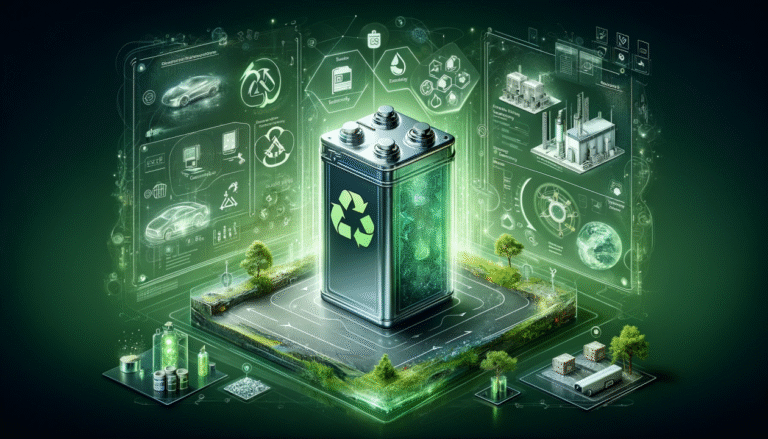
    NMC Battery Recycling
    Share
    Facebook Twitter LinkedIn Pinterest Email Copy Link

    NMC batteries are one of the most common lithium-ion battery types used in modern rechargeable products. NMC stands for nickel manganese cobalt, which refers to the main metals used in the battery’s cathode. These materials help the battery store energy, deliver strong performance, and power devices that need reliable rechargeable energy in a compact format.

    NMC batteries are often found in electric vehicles, e-bikes, scooters, power tools, laptops, medical devices, energy storage systems, and other rechargeable equipment. They are popular because they offer a good balance of energy density, power output, and battery life. But when they reach the end of their useful life, they should not be thrown away or left sitting in storage.

    Recycling NMC batteries helps recover useful materials, reduce waste, and keep lithium-ion batteries out of the wrong disposal stream.

    What Is an NMC Battery?

    An NMC battery is a rechargeable lithium-ion battery that uses nickel, manganese, and cobalt in its cathode material. Each metal plays a role in how the battery performs. Nickel helps support energy storage. Manganese helps with stability. Cobalt helps improve performance and battery life.

    Inside an NMC battery, lithium ions move between the cathode and anode as the battery charges and discharges. The battery may also contain graphite, copper, aluminum, electrolyte, separators, casing, wiring, terminals, and protective electronics.

    In smaller devices, NMC batteries may appear as compact battery cells or packs. In larger applications, such as electric vehicles or energy storage systems, many cells may be connected together inside a larger battery pack.

    Why NMC Batteries Should Be Recycled

    NMC batteries contain materials that should not be wasted. Nickel, cobalt, lithium, copper, aluminum, graphite, steel, plastics, and other components may all be part of the battery system. Recycling helps move these materials into a better end-of-life path instead of sending them into regular trash or letting them sit unused.

    Recycling is also important because NMC batteries can still contain stored energy after they stop working properly. A battery that no longer powers a device may still create concerns if it is crushed, punctured, overheated, or stored carelessly.

    This is especially important for damaged lithium-ion batteries. A swollen, leaking, cracked, burned, unusually hot, or punctured NMC battery should be separated from intact batteries and handled with care.

    How to Prepare NMC Batteries for Recycling

    The first step is to identify the battery type. Look for labels such as NMC, lithium-ion, Li-ion, nickel manganese cobalt, or rechargeable lithium battery. In some cases, the battery chemistry may not be obvious from the outside, especially if it is built into a device or larger battery pack.

    Before recycling, check the battery’s condition. If the battery is damaged, leaking, swollen, corroded, burned, or unusually hot, do not charge it, open it, crush it, or place it back into equipment.

    NMC batteries should be stored in a cool, dry, controlled area away from heat, water, direct sunlight, flammable materials, and heavy equipment. They should not be thrown into regular trash or mixed with loose metal, wires, tools, or general scrap.

    How NMC Battery Recycling Works

    NMC battery recycling usually begins with collection, inspection, and sorting. Batteries are separated by chemistry, size, format, and condition before moving into the proper recycling process.

    Depending on the recycling method, batteries may be discharged, dismantled, shredded, or processed to separate major materials. Components such as casing, wiring, copper, aluminum, steel, plastics, graphite, and battery metals may be recovered or directed into further processing.

    The exact process can vary, but the goal is the same: recover useful materials, reduce waste, and manage end-of-life batteries responsibly.

    Final Thoughts

    NMC batteries are powerful, useful, and widely used in modern technology. Their mix of nickel, manganese, and cobalt helps deliver strong performance, but it also makes proper recycling important when the battery reaches the end of its life.

    The best approach is simple: identify the battery, check for damage, store it safely, keep damaged batteries separate, and recycle it through the proper process. With the right handling, NMC batteries can move from old devices and equipment into a cleaner recycling stream that supports better material recovery and less waste.

    Share. Facebook Twitter Pinterest LinkedIn WhatsApp Reddit Email Copy Link
    Prime Star

    Related Posts

    Make an E-Bike Emergency Contact Card Without Sharing Private Details

    November 13, 2026

    Designing Reliable Magnetic Connections for Wearable Electronics: Space, Comfort, and Durability

    November 5, 2026

    DeepSeek V4 Pro vs MiniMax M2.7 highspeed: The Cheapest Pair on the Board

    October 17, 2026
    Latest Posts

    Why 5G Coverage Varies Inside Buildings and Underground Areas Today

    November 14, 2026

    7 Healthy New Year’s Resolutions You Can Actually Stick to

    November 14, 2026

    What the Cures Act, Information Blocking and ONC Certification Mean for Product Teams

    November 13, 2026

    Make an E-Bike Emergency Contact Card Without Sharing Private Details

    November 13, 2026

    Smart Facility Sensors and the Future of Commercial Cleaning

    November 12, 2026
    Follow Us
    • Facebook
    • Twitter
    • Pinterest
    • Instagram
    Popular Posts
    Technology

    Beyond Melting and Warping: A Data-Driven Guide to Cost-Effective Engineering Plastics CNC Machining

    By Sky Bloom ITApril 15, 20260

    File name Figure 1: beyond-melting-warping-data-driven-hero.jpg Introduction Engineers and procurement managers in the process of choosing…

    What to Do When a Loved One Is Arrested in the Middle of the Night

    October 15, 2026

    Who Is Michael Cooke Kendrick? Inside the Life of Anna Kendrick’s Brother

    January 21, 2026

    WebTub: The Easy Video Platform Built for Today’s Creators and Viewers

    March 6, 2026

    10 Stunning Fort Lauderdale Venues for Wedding Showers That Aren’t Your Average Banquet Hall

    June 19, 2026
    Categories
    • Biography (9)
    • Blog (712)
    • Business (378)
    • Celebrity (540)
    • Crypto (6)
    • Education (21)
    • Fashion (42)
    • Games (12)
    • Guide (169)
    • Health (90)
    • Home Improvement (94)
    • Investment (1)
    • Lifestyle (124)
    • News (12)
    • Real Estate (13)
    • SEO (7)
    • Technology (183)
    • Travel (19)
    About Us

    Bents Magazine is a simple blog where we share fun and helpful content about celebrities, health, tech, crypto, and more. We write in easy words so everyone can enjoy and understand. Our goal is to inform, inspire, and make reading fun for all.

    Popular Posts

    Starlin Wright: What We Really Know About Sage Stallone’s Ex-Wife

    March 9, 2026

    Why Paisley Still Works for First-Time Buyers — And How to Get the Mortgage Right

    August 29, 2026
    Latest Posts

    Why 5G Coverage Varies Inside Buildings and Underground Areas Today

    November 14, 2026

    7 Healthy New Year’s Resolutions You Can Actually Stick to

    November 14, 2026
    Bents Magazine
    • Home
    • About Us
    • Privacy Policy
    • Contact Us
    © 2026 Bents Magazine All Rights Reserved

    Type above and press Enter to search. Press Esc to cancel.