



Let’s be brutally honest about the creator economy right now: the pressure to constantly publish is exhausting. Whether you are building a personal brand on LinkedIn, writing a weekly newsletter, or running a boutique blog, you are expected to be a relentless content machine. Naturally, when the creative burnout hits, we all turn to generative AI to help carry the load. But almost immediately, we hit a wall. You read the generated draft and feel a sinking realization: This doesn’t sound like me. It is polite, sterile, and entirely devoid of personality. To bridge this gap between needing speed and craving authenticity, many independent creators start by experimenting with a free AI humanizer—a desperate attempt to scrub away that robotic aftertaste and inject a little bit of life back into their words.
The Tragedy of the “Average” Tone
The problem with relying solely on artificial intelligence isn’t that it writes badly; it is that it writes perfectly. And human beings are not perfect. Your audience doesn’t follow you for textbook grammar; they follow you for your quirks, your blunt honesty, your weird analogies, and your specific rhythm.
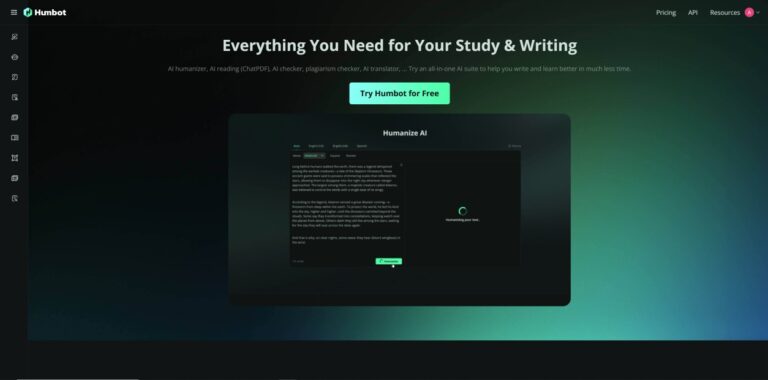
When an algorithm generates text, it mathematically selects the most average, predictable word choices. It flattens your unique perspective into a “sea of sameness.” Overcoming this requires more than just manually deleting words like “delve” or “furthermore.” It requires a fundamental restructuring of the text’s cadence. This is why the modern creator’s toolkit has evolved. Instead of fighting the draft line by line, savvy writers are incorporating advanced linguistic engines like Humbot.ai into their editing process. By treating this kind of technology not as a simple word-spinner, but as a digital ghostwriter, creators can take a rigidly structured AI outline and algorithmically break it apart, restoring the spontaneous, asymmetrical flow of a late-night conversation with a friend.
Authenticity as Your Only Moat
In an internet flooded with infinite, instantly generated content, information is no longer a scarce resource. Personality is. Your distinct voice is the only competitive moat you have left. If your readers sense they are communicating with a server farm rather than a human being, they will quietly unsubscribe and move on.
Protecting that relationship means taking your editorial quality control incredibly seriously. You need to be absolutely certain that your final piece resonates on an emotional level. Before hitting publish on your next big essay or email campaign, making it a habit to run your draft through the best AI detector serves as the perfect digital mirror. It isn’t just about bypassing algorithms; it is a vital sanity check to confirm your writing has successfully shed its synthetic shell, ensuring your true voice is the only thing your audience hears.
How to Use Humbot Without Losing Your Academic Soul
1.Drafting: Use AI to build the skeleton and research the points.
2.Refinement: Use Humbot to humanize AI drafts, ensuring the writing feels organic and personal.
3.Verification: Pass the final version through an AI checker yourself to ensure total peace of mind before submission.
