



Most discussions about consumer products focus on what people buy. Far less attention is given to what happens after the purchase is made. Yet the reality is that products become part of routines, and routines often shape daily life more than individual purchasing decisions.
A product used for thirty seconds every morning may influence habits more than something expensive purchased once every few years. These small interactions create patterns. Over time, those patterns evolve into rituals.
Understanding the role of rituals provides an interesting perspective on why certain products remain popular for generations while others disappear despite heavy marketing.
The answer often has less to do with innovation and more to do with human behavior.
What Makes a Ritual Different From a Routine?
At first glance, rituals and routines appear similar. Both involve repeated actions. The difference lies in attention.
A routine is something completed automatically.
A ritual involves intention.
Making coffee, preparing for work, organizing a desk, or winding down before bed can all become rituals when people engage with them consciously rather than mechanically.
Products often become associated with these moments.
When that happens, their value extends beyond simple functionality.
They become part of an experience.
Why Consistency Creates Comfort
Human beings generally appreciate predictability.
Daily rituals provide structure in environments that can otherwise feel unpredictable. Whether someone is preparing for a busy workday or recovering from one, familiar actions create a sense of stability.
Researchers studying behavior frequently note that consistent habits reduce cognitive load. Instead of making new decisions repeatedly, people rely on established patterns.
This helps explain why certain personal care products remain staples for decades.
Their role is not limited to performance. They help anchor familiar routines.
The Sensory Side of Daily Life
Many rituals are built around sensory experiences.
Texture, scent, temperature, sound, and even visual appearance contribute to how a moment feels.
These sensory cues help signal transitions throughout the day.
For example:
- Morning rituals often emphasize freshness and energy.
- Evening rituals tend to focus on comfort and relaxation.
- Transitional moments help separate one activity from another.
Products become tools within these sensory experiences.
The way something feels can be just as important as what it does.
Why Familiarity Remains Valuable
Modern markets are filled with constant innovation. New formulas, formats, and features appear regularly.
Despite this, many consumers continue returning to familiar products.
This preference is not necessarily resistance to change.
Instead, familiarity provides confidence.
When people understand how a product fits into their daily lives, it requires less mental effort. There is no learning curve. No uncertainty.
The product simply performs its role within an established pattern.
That predictability becomes valuable.
Rituals and Personal Identity
An interesting aspect of daily rituals is how closely they connect to identity.
People often describe themselves through habits:
- Morning exercisers
- Coffee drinkers
- Journal writers
- Early risers
The products associated with these habits become part of that identity structure.
This does not mean products define people. Rather, products often support behaviors that people view as important.
The connection is subtle but meaningful.
The Appeal of Simplicity
One reason rituals remain powerful is that they simplify decision-making.
Modern life presents an enormous number of choices each day. As a result, many people actively seek areas where decisions can be reduced.
Simple rituals accomplish this naturally.
Instead of evaluating countless options every morning, people follow familiar processes that already work for them.
Products that fit seamlessly into these processes often develop long-term loyalty.
Their value comes not from novelty but from consistency.
Everyday Products and Sensory Anchors
Many personal care products serve as sensory anchors.
A familiar texture or scent can immediately signal the beginning or end of a particular activity.
This phenomenon explains why seemingly ordinary products often carry emotional significance.
A bar of soap, a shaving tool, or a skincare product may remind someone of specific periods of life, family traditions, or long-established habits.
The object itself is relatively simple.
The meaning attached to it is much deeper.
Slowing Down in a Fast Environment
Modern culture often emphasizes speed.
Faster communication.
Faster delivery.
Faster transactions.
Yet many people are simultaneously searching for opportunities to slow down.
Rituals provide those opportunities.
A deliberate morning routine or a mindful evening transition creates a brief pause within an otherwise fast-moving day.
These moments are not necessarily about productivity. They are about presence.
Products that support intentional use often become associated with that experience.
Physical Objects in a Digital World
As more aspects of life move into digital environments, physical rituals become increasingly important.
Many daily activities now occur through screens.
Work, communication, entertainment, and shopping frequently happen in virtual spaces.
Physical routines provide balance.
The tactile experience of using oatmeal soap represents something tangible in a world where many interactions occur digitally. The experience engages the senses directly rather than through a screen.
This kind of interaction remains valuable precisely because it feels grounded and immediate.
Function Meets Experience
The most enduring products often succeed because they combine practical utility with experiential value.
People rarely remain loyal to ineffective products.
At the same time, functionality alone does not always create attachment.
Long-term loyalty often emerges when a product contributes positively to a recurring ritual.
A product becomes more than a tool. It becomes part of a familiar sequence that people enjoy repeating.
That distinction helps explain why some products remain relevant even as trends change around them.
Small Moments Add Up
A surprising amount of life consists of repeated moments.
A few minutes in the morning.
A few minutes before bed.
Small pauses throughout the day.
Individually, these moments seem insignificant.
Collectively, they shape how people experience time.
Products integrated into these moments carry influence far beyond their physical size or cost.
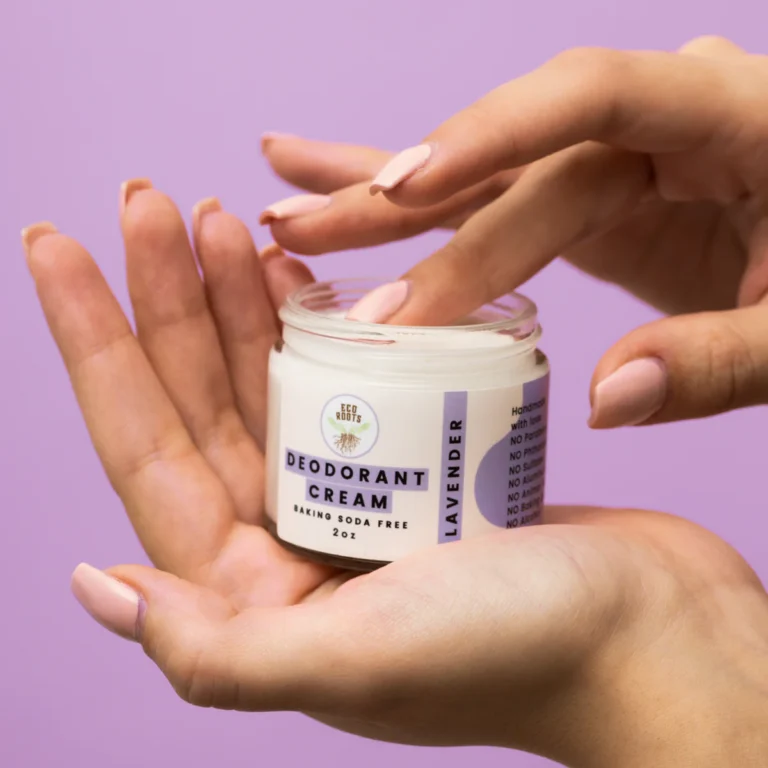
A simple item such as deodorant cream may occupy only a few seconds of a routine, yet those seconds occur repeatedly throughout weeks, months, and years.
Frequency creates significance.
Looking Beyond Utility
It is easy to evaluate products solely according to measurable outcomes.
Does it work?
How long does it last?
What does it cost?
These questions matter.
But they do not tell the entire story.
Many products succeed because they contribute to experiences people value. They help establish rhythms, support habits, and create small moments of consistency within busy lives.
When viewed through that lens, consumer products become more than objects. They become participants in daily rituals.
And while those rituals may appear ordinary from the outside, they often play a larger role in well-being, comfort, and personal identity than people initially realize.
