



Artificial intelligence has transformed the way people create written content. From blog posts and emails to reports and marketing materials, AI-powered writing tools help users produce content faster than ever before.
While speed and efficiency are valuable, many writers face a different challenge after generating content: making it sound more natural.
Readers can often recognize text that feels overly structured, repetitive, or mechanical. As a result, the demand for an AI humanizer has grown significantly among content creators, marketers, students, and professionals who want their writing to feel more authentic and engaging.
The goal is no longer simply generating content quickly. It is creating content that connects with real people while maintaining clarity and originality.
Why Natural Writing Still Matters
Technology has changed content creation, but human communication remains at the center of effective writing.
Whether someone is reading:
- a blog article
- a product description
- an email
- a social media post
- a business proposal
they generally respond better to content that feels conversational and relatable.
Writing that sounds overly robotic can create distance between the message and the audience. Even when the information is accurate, the delivery may feel less engaging if the language lacks natural flow. The stakes here are measurable — a 2025 consumer survey found that roughly half of readers say they would think less of a writer who relies on visibly AI-generated content, and a similar share said it would make them view the brand behind it less favorably.
This is one reason why many writers look for ways to refine AI-generated drafts before publishing them.
The Common Characteristics of AI-Generated Text
AI writing systems can generate impressive content in seconds, but certain patterns often appear in automated writing.
These may include:
- repetitive sentence structures
- predictable transitions
- overly formal language
- unnatural phrasing
- limited variation in tone
While these issues may not always be obvious, they can affect how readers perceive the content. Separate research on consumer response to AI content found that readers who suspect a piece was AI-generated report noticeably lower engagement, with roughly 6 in 10 saying they trust or engage with social content less once they believe AI was behind it.
Writers frequently spend time revising AI-generated drafts to improve readability and create a more natural voice.
An AI humanizer helps address these challenges by making content feel less mechanical and more aligned with human communication styles.
How Clico Supports Modern Writing
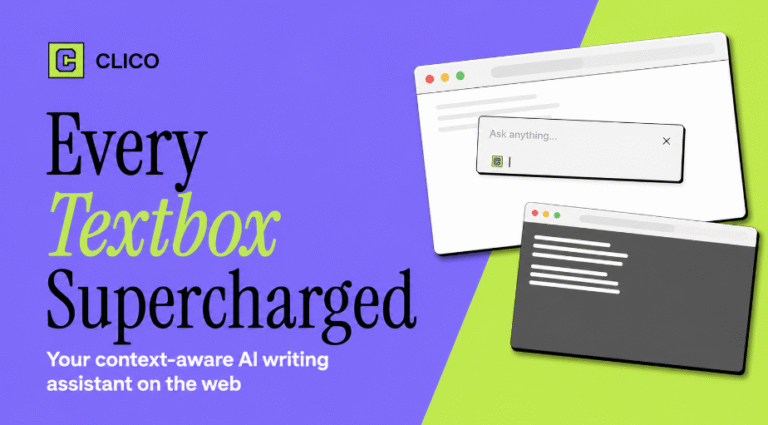
As writing workflows continue to evolve, accessibility and convenience have become just as important as functionality. Clico is designed around this principle. As an AI extension that brings the best AI to any page you visit, it allows users to access writing support directly within the websites and platforms they already use. Rather than forcing users to move content between multiple tools, assistance remains available throughout the writing process.
This can be particularly useful when working across:
- online documents
- browser-based editors
- research pages
- email platforms
- content management systems
By reducing context switching, users can focus more on writing and less on managing tools.
Modern Content Creation Requires Balance
The best writing workflows combine efficiency with authenticity.
AI tools can significantly reduce the time required for:
- drafting content
- generating ideas
- creating outlines
- organizing information
However, successful content also needs personality, context, and audience awareness.
This balance is becoming increasingly important as AI-generated content becomes more common across the web.
Readers often expect content that feels genuine rather than automatically generated.
Because of this, many writers focus not only on creating content quickly but also on refining how that content sounds.
Humanizing Content for Different Audiences
Different audiences respond to different writing styles.
For example:
Business Communication: Professional documents require clarity while still sounding approachable.
Content Marketing: Articles and promotional materials often perform better when they feel conversational and engaging.
Academic Writing: Students may need content that maintains structure while improving readability.
Social Media Content: Informal communication benefits from a more natural and relatable tone.
Customer-Facing Materials: Trust is often built through clear, human-centered language.
Because writing goals vary, humanization tools are most effective when they help adapt content to different contexts rather than applying a single style to every document.
Reducing Editing Time
Many writers spend substantial time manually revising AI-generated content.
This often involves:
- restructuring sentences
- adjusting tone
- removing repetition
- improving flow
- increasing readability
These tasks are important but can become time-consuming when working with large amounts of content.
An AI humanizer helps streamline this process by improving natural language patterns and making content easier to read.
The result is a workflow that preserves efficiency while reducing the effort required to polish drafts.
Writing Workflows Are Becoming More Integrated
One major trend in productivity software is the movement toward integrated assistance.
Writers increasingly prefer tools that work within their existing environment instead of requiring separate applications.
This allows them to:
- write faster
- edit more efficiently
- maintain focus
- avoid workflow interruptions
When support is available exactly where content is being created, productivity often improves.
This approach is becoming especially important for writers who work across multiple platforms throughout the day.
The Growing Demand for Better Content Quality
The internet contains more content than ever before.
As competition for attention increases, content quality becomes increasingly important.
Readers expect writing that is:
- clear
- engaging
- easy to understand
- relevant
- authentic
This expectation applies across industries, from marketing and education to business communication and publishing.
As a result, tools that help improve the natural quality of written content continue to gain importance.
Looking Ahead
AI-powered content creation is likely to remain a major part of modern writing workflows.
However, efficiency alone is not enough.
The next stage of content creation focuses on producing writing that combines speed, quality, and authenticity. This is why humanization capabilities are becoming an increasingly valuable part of the writing process.
Rather than replacing writers, these tools help refine content so that it better reflects natural communication styles and audience expectations.
Final Thoughts
The rise of AI-generated content has created new opportunities for faster and more efficient writing. At the same time, it has increased the importance of making content feel authentic and engaging.
An AI humanizer helps bridge the gap between automated generation and natural communication by improving readability, tone, and overall flow. This allows writers to maintain productivity while creating content that resonates more effectively with readers.
Clico supports modern writing workflows by bringing powerful AI capabilities directly into the pages users already visit. As demand for high-quality digital content continues to grow, integrated tools that help writers create more natural and effective communication will play an increasingly important role in everyday content creation.
