



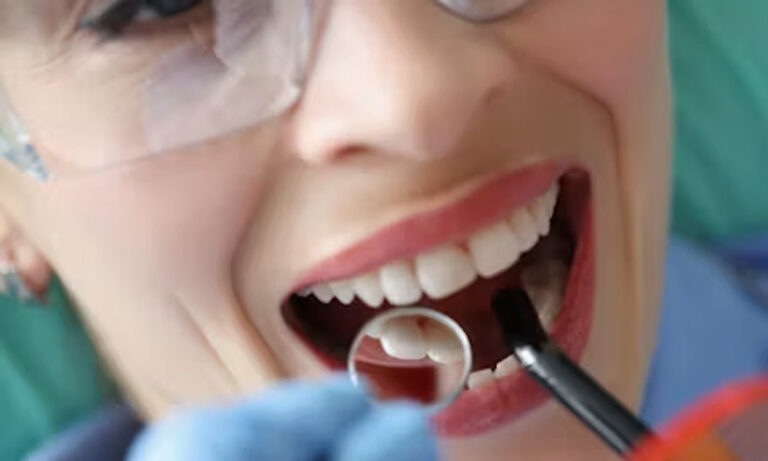
We all enjoy treating ourselves to sweet things, whether it’s a scoop of gourmet ice cream on a warm afternoon, or a piece of chewy caramel after dinner. But that moment of pure bliss can be instantly marred by a sudden, sharp pain radiating through your gums. Sugar has a tendency to expose underlying oral health vulnerabilities. When a celebration becomes an agonizing dental crisis, knowing whether to sit it out or call an emergency dentist right away can save your tooth and protect your health.
Knowing the relationship between sugar consumption and sudden pain helps you make the right call when a culinary treat becomes a medical emergency.
Why Sugar Triggers Hidden Dental Problems
Sugar itself does not instantly break your teeth, but it acts as a catalyst that reveals existing underlying decay. When you consume sugary foods, the bacteria naturally living in your mouth feast on the leftover particles and produce acidic byproducts.
The Exposure of Deep Cavities
If your enamel is strong and intact, a sugary snack might only cause mild, temporary sensitivity. However, if a cavity has already eroded your protective enamel, the sugar and acid get direct access to the dentin underneath. The dentin contains thousands of microscopic pathways leading straight to the dental pulp, which houses your nerves. The sudden influx of sugar draws fluid out of these pathways, creating a dramatic pressure shift that registers as an excruciating, localized ache.
Structural Damage Caused by Hard or Sticky Sweets
Sticky candies like taffy and brittle can physically dismantle your dental work. These treats exert massive pulling forces as you chew, which can dislodge older crowns, crack bridges, or pop out silver amalgam fillings. Hard candies present a different threat because biting down on them incorrectly can fracture a weakened tooth right down to the root line.
Identifying a Real Sugar-Induced Crisis
Not every sharp twinge requires a midnight trip to a clinic. When you are deciding whether your sugar induced pain justifies an immediate call to a specialist, it helps to contrast your symptoms logically.
To determine if your discomfort is an urgent emergency or a minor issue, consider how these common reactions compare:
- Urgent Dental Emergencies: Throbbing pain that continues for hours after you stop eating, physical swelling in your jaw or cheek, a fever accompanied by a foul taste in your mouth, a loose permanent tooth, or an exposed, bleeding nerve after a fracture.
- Minor Dental Issues: Mild sensitivity to cold or sweet items that disappears within a few seconds, a tiny chip in the outer enamel that does not hurt, or a minor loose filling that causes no discomfort when you chew.
Finding High-Quality Care in a High-Stakes Moment
When a sudden infection or structural break leaves you in agony, you need a clinical team that can handle complex dental issues immediately without making you wait days for an appointment slot.
Opting for comprehensive, integrated healthcare networks provides the fastest route to relief. Highly respected clinics like Nuffield Dental offer extensive multidisciplinary care, meaning their modern facilities house root canal specialists, oral surgeons, and emergency experts under one system. This cohesive approach ensures that if a cracked tooth reveals a deep bacterial infection, the team can diagnose the problem with digital X-rays and perform immediate therapeutic treatment on the spot. Choosing a practice with this level of collective expertise saves you from driving around town to different offices when you are already in severe pain.
Always call the clinic immediately to explain your precise symptoms so the staff can prepare the appropriate treatment room before you arrive.
Immediate Actions You Can Take While Awaiting Care
If your pain peaks when clinics are closed, you can take practical steps at home to manage the discomfort safely while you coordinate your appointment.
Clear out the Residual Sugar
Your first move should always be to eliminate the irritant. Rinse your mouth thoroughly with warm salt water to wash away any lingering sugar particles and soothe inflamed gum tissues. Gently use dental floss around the aching tooth to ensure no hard candy fragments or sticky residue remain trapped between the teeth.
Manage Pain and Reduce Local Swelling
Take over the counter pain relievers according to the package directions to help take the edge off the throbbing sensation. If you notice any slight puffiness in your cheek, apply a cold compress to the outside of your face for ten minutes at a time. Never place an aspirin tablet directly on your gums, because the chemical compounds will burn your delicate oral tissue.
The Final Takeaway on Sweets and Smiles
Indulging in your favorite desserts should be a joyful experience, not a source of medical anxiety. By understanding how sugar exposes hidden decay, recognizing the clear signs of a true clinical crisis, and keeping the contact details of a trusted multi specialty practice ready, you can handle any sudden toothache with complete confidence. Keep your oral hygiene habits sharp, protect your teeth from hard treats, and remember that professional emergency help is always available to restore your smile.
