



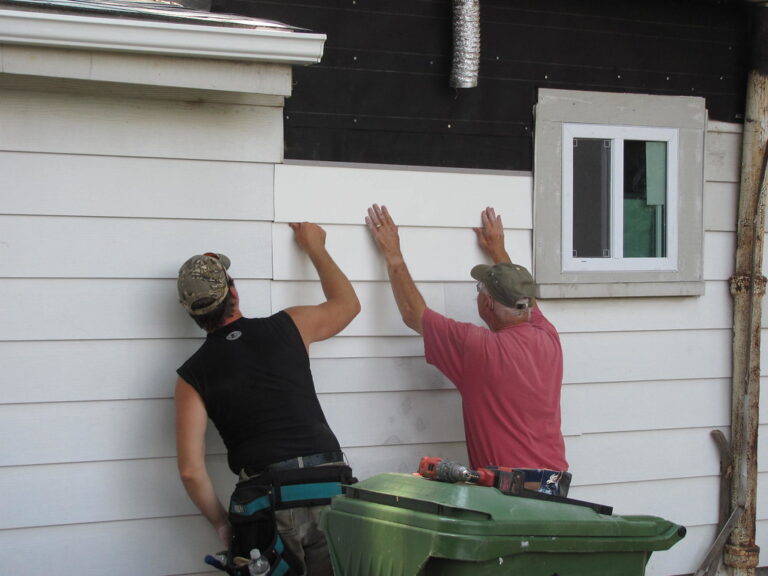
Siding installation is one of the most important exterior improvements for any building because it directly affects durability, energy efficiency, weather resistance, and overall appearance. A properly installed siding system acts as a protective shell that shields the structure from rain, wind, sunlight, and temperature changes while also enhancing curb appeal. Whether for new construction or renovation, understanding the siding installation process helps ensure better decision-making, long-term savings, and improved property value.
Siding is not just a decorative feature; it is a functional barrier that protects the underlying structure from damage. Poor installation or low-quality materials can lead to moisture intrusion, mold growth, insulation problems, and costly repairs over time. This is why careful planning, correct material selection, and professional installation techniques are essential for achieving lasting results.
Understanding the Purpose
The primary purpose of siding installation is to create a protective layer over the exterior walls of a building. This layer helps prevent water penetration, reduces heat transfer, and protects the structure from environmental damage. Without proper siding, buildings are exposed to moisture, pests, and temperature fluctuations that can weaken structural integrity over time.
Siding also plays a major role in insulation. When installed correctly, it works alongside insulation materials to maintain indoor temperature stability. This reduces energy consumption and improves comfort inside the building. In addition, siding enhances the visual appearance of a property, making it more attractive and increasing its market value.
Different Types of Siding
There are several types of siding materials available, each offering different levels of durability, maintenance requirements, and aesthetic appeal. Vinyl siding is one of the most commonly used options due to its affordability, low maintenance, and resistance to moisture. It is available in a wide range of colors and styles, making it a versatile choice.
Wood siding provides a natural and classic appearance but requires regular maintenance to prevent rot, insect damage, and weathering. Fiber cement siding is known for its strength and durability, offering resistance to fire, pests, and harsh weather conditions while mimicking the look of wood or masonry.
Metal siding, often made from aluminum or steel, is highly durable and resistant to environmental damage, making it suitable for modern and industrial-style buildings. Each material has its own advantages, and the right choice depends on budget, climate conditions, and design preferences.
Step-by-Step Process of Professional Siding Installation for Long-Lasting Results
The siding installation process begins with a thorough inspection of the exterior walls to ensure they are structurally sound and free from damage. Any existing siding is removed, and the surface is cleaned and repaired if necessary. This step is crucial because a stable base ensures proper adhesion and alignment of the new siding.
After preparation, a weather-resistant barrier is installed to protect the structure from moisture infiltration. This layer acts as an additional shield beneath the siding. Next, starter strips are installed at the bottom of the wall to ensure proper alignment of the first row of siding panels.
Siding panels are then installed from bottom to top, overlapping each row to create a tight seal against water and wind. Careful attention is given to spacing and fastening to allow for natural expansion and contraction due to temperature changes. Finally, trim pieces are installed around windows, doors, and corners to complete the look and ensure a clean finish.
Importance of Proper Preparation
Proper preparation is one of the most important steps in ensuring a successful siding installation. If the underlying structure is not properly inspected and prepared, even high-quality siding may fail prematurely. Surfaces must be clean, dry, and free from damage before installation begins.
Any issues such as rot, mold, or structural weakness should be addressed beforehand. Installing siding over damaged surfaces can trap moisture and worsen existing problems. Proper measurement and planning are also essential to ensure accurate material usage and reduce waste.Preparation also includes selecting the right tools, materials, and installation techniques based on the type of siding being used.
Common Mistakes
One of the most common mistakes during siding installation is improper fastening. If nails or screws are too tight, they can restrict natural movement, causing panels to warp or crack. If they are too loose, the siding may become unstable and allow water infiltration.
Another common issue is poor sealing around windows and doors, which can lead to leaks and moisture damage inside the walls. Incorrect overlap of siding panels can also compromise weather resistance and reduce overall effectiveness.Skipping the installation of a proper weather barrier is another critical mistake that can lead to serious long-term damage. Avoiding these errors is essential for ensuring durability and performance.
Maintenance Requirements
After siding installation is complete, regular maintenance is necessary to preserve its condition and appearance. Cleaning the siding periodically helps remove dirt, mold, and debris that can accumulate over time. This is especially important in areas exposed to heavy rain or dust.
Inspecting the siding for cracks, loose panels, or damage ensures that small issues are addressed before they become major problems. Repainting or resealing may be required for certain materials such as wood or fiber cement to maintain protection and appearance.
Proper maintenance not only extends the lifespan of the siding but also helps maintain energy efficiency and structural protection.One of the major advantages of siding installation is improved energy efficiency. When siding is installed correctly with proper insulation and sealing, it reduces heat loss during colder months and minimizes heat gain during warmer months.This helps maintain a stable indoor temperature, reducing the workload on heating and cooling systems. As a result, energy consumption decreases, leading to lower utility bills over time.Energy-efficient siding also contributes to environmental sustainability by reducing overall energy usage and carbon emissions.
How Siding Installation
Siding installation significantly improves the visual appeal of a property. A clean, well-finished exterior creates a strong first impression and increases curb appeal. This is particularly important for homeowners looking to sell or rent their property, as attractive exteriors often lead to higher market value.
Modern siding materials offer a wide range of colors, textures, and styles, allowing property owners to customize the appearance according to their preferences. Whether aiming for a traditional or contemporary look, siding provides flexibility in design.A well-installed siding system not only protects the structure but also enhances its overall attractiveness and market competitiveness.Although siding installation may require an initial investment, it provides significant long-term financial benefits. High-quality siding reduces the need for frequent repairs, lowers energy costs, and protects the structure from expensive damage caused by moisture or pests.
Over time, the savings in maintenance and energy bills often outweigh the initial installation cost. Additionally, durable siding materials can last for decades when properly maintained, making them a cost-effective solution for property protection.
Final Thoughts
Siding installation is a crucial process that directly impacts the durability, efficiency, and appearance of any building. When done correctly, it provides long-lasting protection against environmental elements while enhancing visual appeal and energy efficiency.Success depends on proper preparation, high-quality materials, accurate installation techniques, and consistent maintenance. By paying attention to each of these factors, property owners can ensure that their siding performs effectively for many years.
Ultimately, siding installation is not just an exterior upgrade but a long-term investment in structural protection, energy savings, and overall property value.
