



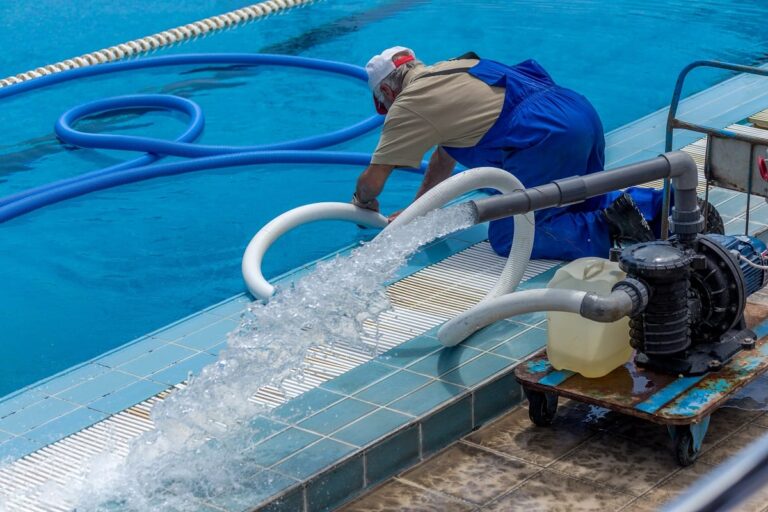
Pool repair is an essential part of swimming pool ownership because even well-built pools require maintenance and occasional restoration over time. Exposure to water, chemicals, sunlight, and continuous usage gradually affects different components of a pool, including the structure, plumbing, surface, and equipment. If these issues are not addressed on time, they can lead to higher costs, water loss, and safety risks. Understanding how pool repair works, what problems commonly occur, and how to fix them helps pool owners maintain a clean, safe, and long-lasting swimming environment.
Understanding Pool Repair and Its Importance
Pool repair refers to the process of identifying and fixing structural, mechanical, or surface-related issues in a swimming pool. These repairs can range from minor fixes like sealing small cracks to major restoration work involving plumbing systems or resurfacing the entire pool.
The importance of pool repair lies in preventing small issues from turning into expensive damage. For example, a small leak can lead to significant water loss and foundation damage if ignored. For example, a small leak can lead to significant water loss and foundation damage if ignored, which is why relying on a professional service like Mr. Pool Leak Repair is essential for safeguarding your investment. Similarly, damaged tiles or pool liners can affect both safety and appearance.
Regular pool repair also ensures water quality remains stable by preventing contamination caused by leaks or broken filtration systems. Overall, timely repairs extend the lifespan of the pool and improve user experience.
Common Problems That Require Pool Repair
Swimming pools face several common issues due to constant exposure to water and environmental conditions. One of the most frequent problems is water leakage, which can occur in pipes, liners, or structural cracks. Even a small leak can lead to continuous water loss and increased utility costs.
Cracks in the pool surface are another common issue. These cracks may appear in concrete, plaster, or fiberglass pools due to ground movement, aging, or improper installation.
Tile damage and loose coping stones can also affect the pool’s appearance and safety. Broken tiles may cause injuries or further structural issues if not repaired quickly.
Pool equipment failure is another major concern. Pumps, filters, heaters, and chlorinators can wear out over time and require repair or replacement to maintain proper water circulation and cleanliness.
Types of Pool Repair Services
Pool repair includes several specialized services depending on the type of damage and pool system.
Leak detection and repair focuses on identifying hidden water leaks in plumbing lines, pool shells, or fittings. This often requires advanced tools to locate the exact source of leakage.
Structural repairs involve fixing cracks, resurfacing walls, or restoring damaged concrete or fiberglass surfaces. These repairs help maintain the strength and durability of the pool.
Tile and coping repair deals with replacing broken or loose tiles and repairing the edges of the pool for safety and aesthetics.
Equipment repair includes servicing or replacing pumps, filters, heaters, and automation systems to ensure proper pool operation.
Surface resurfacing is a more extensive repair process where the entire pool interior is refinished to restore appearance and waterproofing.
Pool Leak Detection and Repair
Leak detection is one of the most critical aspects of pool repair. A leak can go unnoticed for a long time, especially if it is underground or within plumbing lines.
Professionals use various methods to detect leaks, including pressure testing, dye testing, and electronic listening devices. These tools help pinpoint the exact location of water loss without unnecessary excavation.
Once the leak is identified, repair methods may include sealing cracks, replacing damaged pipes, or applying waterproof materials. Early detection is important to prevent structural damage and reduce water waste.
Structural Pool Repairs
Structural damage is often more serious and requires careful attention. Concrete pools may develop cracks due to soil movement, temperature changes, or aging materials. Fiberglass pools may experience surface blistering or separation over time.
Repairing structural damage usually involves cleaning the affected area, filling cracks with specialized compounds, and applying waterproof coatings. In severe cases, resurfacing may be necessary to restore the entire pool shell.
Proper structural repair ensures the pool remains safe, stable, and resistant to future damage.
Pool Equipment Repair and Maintenance
Pool equipment plays a vital role in maintaining water circulation, cleanliness, and temperature control. When equipment fails, the entire pool system can be affected.
Pool pumps may lose efficiency or stop working due to motor issues or blockages. Filters can become clogged or damaged, reducing water quality. Heaters and chlorinators may also malfunction, affecting temperature and chemical balance.
Repairing or replacing faulty equipment ensures smooth pool operation and reduces long-term maintenance costs. Regular servicing also helps prevent unexpected breakdowns.
Surface and Tile Repair
The pool surface is constantly exposed to chemicals and water pressure, which can lead to wear and tear over time. Cracks, stains, and rough surfaces are common issues that require repair.
Tile damage can also affect both safety and appearance. Loose or broken tiles should be replaced immediately to prevent further damage or injury.
Surface repair often involves cleaning, patching, and resurfacing using materials like plaster, epoxy, or fiberglass coatings. This restores both durability and visual appeal.
Importance of Timely Pool Repair
Timely pool repair is essential to prevent minor issues from turning into major problems. A small crack or leak may seem insignificant at first but can lead to structural damage, water loss, and increased repair costs if ignored.
Regular maintenance and early intervention help extend the lifespan of the pool and reduce long-term expenses. It also ensures a safe swimming environment by preventing hazards such as sharp edges or slippery surfaces.
In addition, timely repairs help maintain water quality, which is important for health and hygiene.
DIY vs Professional Pool Repair
Some minor pool repairs can be handled by homeowners, such as cleaning filters, patching small cracks, or replacing basic fittings. However, more complex issues require professional expertise.
Professional pool repair services use advanced tools and techniques to accurately diagnose and fix problems. They can handle structural repairs, leak detection, and equipment servicing more efficiently.
Attempting complex repairs without proper knowledge can lead to further damage or safety risks. Therefore, professional assistance is recommended for major repairs.
Preventive Maintenance for Pools
Preventive maintenance plays a key role in reducing the need for frequent repairs. Regular cleaning, chemical balancing, and equipment checks help keep the pool in good condition.
Inspecting the pool surface for early signs of cracks or damage allows for quick repairs before issues worsen. Maintaining proper water levels and filtration systems also reduces strain on pool components.
Seasonal maintenance, especially before and after heavy usage periods, helps ensure the pool remains in optimal condition throughout the year.
Cost Factors in Pool Repair
The cost of pool repair depends on several factors, including the type of damage, pool size, materials used, and labor requirements. Minor repairs such as patching small cracks are generally affordable, while structural repairs or resurfacing can be more expensive.
Equipment replacement and leak detection services may also add to the overall cost. However, investing in timely repairs often reduces long-term expenses by preventing major damage.
Conclusion
Pool repair is a vital part of maintaining a safe, functional, and visually appealing swimming pool. From fixing leaks and cracks to repairing equipment and resurfacing surfaces, regular maintenance ensures long-lasting performance and water efficiency.
By addressing issues early and using proper repair techniques, pool owners can avoid costly damage and extend the life of their pool. Whether through DIY care or professional services, consistent attention to pool repair guarantees a clean, safe, and enjoyable swimming environment for years to come.
