



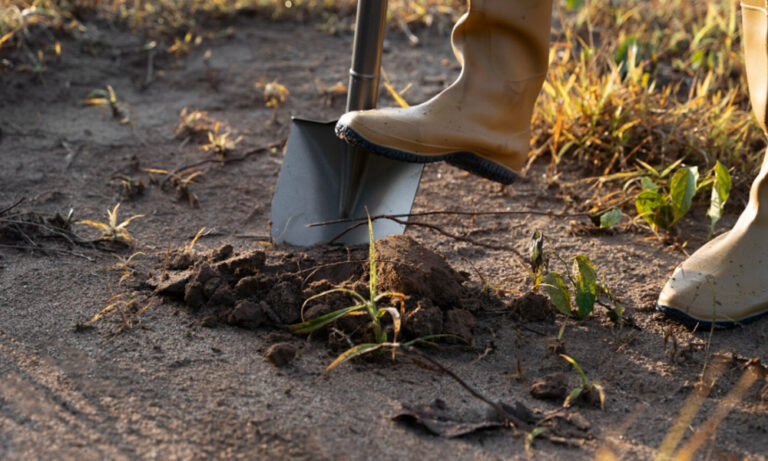
Large landscape overhaul projects generate far more waste than many people expect. While homeowners may focus on the finished design, contractors understand that demolition, grading, vegetation removal, and material replacement create a constant stream of debris throughout every phase of the project. Soil piles, brush, tree limbs, old hardscape materials, and discarded landscaping elements can quickly overwhelm a property if cleanup is not coordinated properly.
Landscape overhauls often involve several stages happening in sequence or simultaneously, including site clearing, excavation, drainage work, grading, hardscape installation, and planting. Without an organized debris management strategy, waste begins interfering with equipment movement, labor productivity, and overall project efficiency. For landscape contractors, maintaining control over soil, brush, and construction debris is essential for keeping outdoor renovation projects moving smoothly.
Why Landscape Overhauls Create Large Debris Volumes
Unlike smaller maintenance jobs, full landscape renovations involve removing large portions of the existing property before new installations begin. Contractors may need to clear overgrown vegetation, remove old mulch and shrubs, demolish patios or retaining walls, and excavate large amounts of soil to reshape the site.
Each phase creates different types of debris. Vegetation clearing produces brush, roots, and tree limbs, while grading and excavation generate excess soil and rock. Hardscape demolition introduces concrete, brick, pavers, and other heavy materials into the waste stream.
Because these activities overlap during large-scale projects, debris accumulates continuously across the property and must be managed carefully to maintain workflow.
Planning Debris Removal Before Work Starts
Effective debris management begins before excavation or demolition equipment arrives on-site. Contractors should evaluate the scope of the project and estimate the volume of vegetation, soil, and construction debris expected during each phase of work.
Planning ahead allows contractors to determine where disposal containers should be placed, how debris will move through the site, and when removal service may be needed throughout the project timeline. A structured waste plan helps prevent delays once heavy clearing and grading operations begin.
Preparation improves operational efficiency and keeps the project organized from the beginning.
Coordinating Cleanup with Landscape Phases
Every stage of a landscape overhaul produces different types and amounts of debris. Initial clearing phases often generate the largest waste loads, while later installation work creates smaller but continuous debris streams from packaging, cut materials, and excess supplies.
Contractors should coordinate debris removal schedules alongside the active phase of construction. Heavy vegetation clearing or hardscape demolition may require more aggressive disposal planning, while finishing phases benefit from ongoing light cleanup.
Aligning cleanup efforts with the project schedule helps maintain productivity and supports smoother transitions between phases of work.
Timing plays a major role in keeping outdoor projects moving efficiently.
Managing Brush and Vegetation Efficiently
Brush and vegetation are some of the most space-consuming materials generated during landscape overhauls. Even lightweight branches, shrubs, and roots can occupy large portions of the site if not removed consistently.
Contractors should focus on keeping vegetation moving continuously rather than allowing large piles to build up around active work zones. Organized removal helps preserve equipment access and keeps staging areas functional throughout the project.
Working with providers such as Waste Removal USA gives contractors access to disposal solutions that support large-scale outdoor renovation work and ongoing debris management.
Maintaining organized vegetation cleanup improves both productivity and site appearance.
Handling Soil and Excavation Debris
Landscape overhauls frequently involve major grading and excavation work that produces excess soil and rock. Unlike lighter vegetation debris, soil adds substantial weight and requires careful handling during loading and removal.
Contractors should coordinate excavation activities with disposal planning so soil piles do not interfere with grading operations or equipment movement. Maintaining organized staging areas for excess soil helps crews work more efficiently and reduces unnecessary handling.
Managing excavation debris properly supports smoother transitions into drainage, hardscape, or planting phases later in the project.
Supporting Equipment Access Throughout the Site
Landscape projects rely heavily on equipment such as skid steers, excavators, loaders, and compactors. Debris that accumulates in active work zones can block pathways and reduce the efficiency of equipment operations.
Contractors should establish designated debris zones and maintain clear equipment routes throughout every phase of the project. Continuous cleanup helps operators move more efficiently between excavation, grading, and installation areas without unnecessary delays.
Clear access improves labor productivity and keeps the overall project moving forward.
Organization supports smoother equipment coordination across the site.
Strategic Placement of Containers and Disposal Areas
Placement of disposal containers has a direct impact on efficiency during large landscape renovations. Containers positioned too far from active work areas force crews to spend additional time transporting debris instead of focusing on installation tasks.
At the same time, dumpsters and staging areas must not interfere with grading work, deliveries, or equipment movement around the property. Contractors should evaluate site conditions carefully and position disposal systems where they support efficient loading and cleanup.
Strategic placement reduces unnecessary movement and improves workflow throughout the project.
Every saved trip contributes to stronger labor efficiency.
Reducing Labor Through Continuous Cleanup
Allowing debris to accumulate throughout a landscape overhaul creates unnecessary labor demands later in the project. Large cleanup phases often require crews to stop productive work and focus entirely on moving accumulated waste.
Continuous cleanup prevents this problem by keeping debris under control throughout each stage of construction. Contractors who remove materials consistently spend less time reorganizing the site and more time advancing the project itself.
Efficient debris flow improves productivity and helps maintain tighter project schedules.
Adapting to Changing Site Conditions
Outdoor renovation projects are heavily affected by changing weather conditions, soil conditions, drainage issues, and evolving project scope. Rain, mud, and unstable ground can alter how debris moves through the site and may require adjustments to the cleanup plan.
Contractors should remain flexible and adapt disposal strategies as site conditions evolve. This may involve repositioning containers, adjusting debris routes, or increasing removal frequency during certain phases of the project.
Adaptability helps maintain efficient operations even when outdoor conditions change unexpectedly.
Preparation supports smoother project management.
Avoiding Common Landscape Cleanup Mistakes
Several common mistakes can reduce efficiency during large landscape overhaul projects. These include underestimating debris volume, allowing vegetation piles to grow too large, and placing disposal containers where they interfere with grading operations.
Another frequent issue is failing to coordinate cleanup between phases, which can create cluttered work zones and reduce equipment access across the property.
Avoiding these problems requires proactive planning, continuous monitoring, and consistent cleanup routines throughout the life of the project.
Attention to operational details improves workflow and organization.
Supporting Cleaner and More Efficient Landscape Projects
Effective debris management contributes directly to smoother operations on large landscaping projects. When soil, brush, and demolition materials are handled properly, crews can move more efficiently, equipment pathways remain accessible, and installation phases progress more smoothly.
This leads to better labor productivity, cleaner jobsites, and faster overall project completion. Contractors who prioritize waste management are better equipped to handle large outdoor renovations successfully.
Efficiency improves when debris removal is integrated into the landscaping strategy from the beginning.
Managing soil, brush, and debris during landscape overhauls requires careful planning, continuous cleanup, and coordination throughout every phase of the project. The combination of vegetation clearing, excavation, grading, and installation work creates ongoing waste streams that must be handled efficiently to maintain productivity.
By coordinating debris removal alongside active construction phases, maintaining organized disposal systems, supporting equipment access, and adapting to changing site conditions, landscape contractors can keep projects cleaner and more efficient from start to finish.
When waste management is treated as a core operational process, contractors can reduce delays, improve workflow, and complete large-scale landscape overhauls with greater consistency, organization, and control.
