



Building your first sales pipeline as a small business owner or startup founder can feel like climbing a mountain with no gear. You have a great product or service, but no one knows about it yet. And the traditional advice – hire a big sales team, buy expensive software, run paid ads – seems designed for companies that already have money to burn. The good news? You don’t need a massive budget to build a pipeline that actually works. You just need a smart plan, the right mindset, and a few affordable tools that do the heavy lifting for you.
Start With Who You Actually Want to Sell To
Before you can build a pipeline, you need to get crystal clear on who your ideal customer is. This sounds obvious, but most early-stage founders skip this step and end up chasing every possible lead – which wastes time and money fast.
Ask yourself some honest questions. What kind of company benefits most from what you offer? What job title makes the buying decision? What industries feel the pain you solve? The more specific you get, the easier every other step becomes. A focused niche is not a limitation. It is your biggest advantage when you are working with limited resources.
Write down a simple one-paragraph description of your ideal customer. Include their industry, company size, location, and role. This becomes the foundation of everything – your outreach, your messaging, and your follow-up strategy.
Build Your Prospect List Without Overpaying
Once you know who you are targeting, the next step is finding them. This is where many startups get stuck, because traditional data providers charge thousands of dollars per year for access to contact lists. That kind of price tag is simply not realistic for a business that is just getting started.
Fortunately, there are smarter and far more affordable ways to build a targeted list. One option worth knowing about is ScraperCity’s contact search platform, which gives you access to over four million contacts and lets you filter by job title, seniority, industry, location, and company size – all for a fraction of what legacy providers charge. For a small team doing outbound for the first time, that kind of flexibility and affordability can make a real difference.
When building your list, focus on quality over quantity. One hundred highly targeted prospects will almost always outperform a thousand random contacts. Take the time to filter carefully, and resist the urge to blast everyone you can find.
Write Outreach Messages That Actually Get Responses
Here is a hard truth about cold outreach: most of it gets ignored. Not because cold email does not work, but because most people write it the wrong way. They make it too long, too formal, too focused on themselves, or too obviously automated.
Good outreach is short, personal, and relevant. It shows the reader that you actually understand their world. It leads with something that matters to them – a problem they have, a goal they are chasing, a change in their industry – before it ever mentions your product. And it ends with a simple, low-commitment ask, like a fifteen-minute call or a quick reply.
If you are not sure where to start with your messaging, studying proven frameworks and cold email templates can save you a lot of trial and error. There are solid outbound sales resources and email templates available online that can give you a strong starting point and help you understand what good outreach actually looks like before you write your own.
Set Up a Simple Pipeline You Can Actually Manage
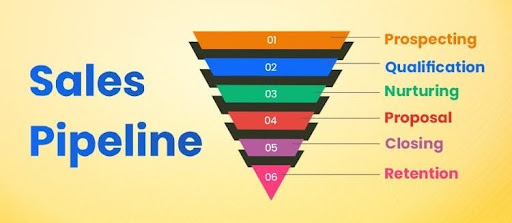
A sales pipeline does not need to be complicated. For most early-stage startups, a simple spreadsheet or a free CRM tool is more than enough to get started. The goal is to know, at any moment, exactly where each prospect stands in your sales process.
Set up a few basic stages: prospects identified, first message sent, reply received, call booked, proposal sent, deal closed. Move people through these stages consistently and honestly. Do not let deals sit in one column for weeks without action.
The biggest mistake new founders make with their pipeline is not building one at all – they just react to whoever happens to respond, without any structure. That approach makes it nearly impossible to forecast revenue or identify where the process is breaking down.
Follow Up More Than You Think You Should
Most sales happen after the fifth or sixth touchpoint. Most salespeople give up after one or two. This gap is where small businesses can win big, simply by being more persistent and thoughtful than the competition.
A follow-up is not an annoyance if it adds value. Each time you reach out again, try to bring something new – a helpful article, a relevant insight, a question that shows you have been thinking about their situation. This keeps you on their radar without feeling like spam.
Space your follow-ups out over a few weeks, and always give people an easy way to opt out if they are not interested. Respect builds trust, and trust is the foundation of every sale.
Consistency Is the Real Secret
Building a sales pipeline from scratch is not a one-time project. It is a habit. The founders and small business owners who build strong pipelines without a big budget are not the ones with the best tools or the flashiest pitch decks. They are the ones who show up consistently, learn from every interaction, and keep improving their process week after week.
Start small, stay focused, and treat every conversation as data. Over time, your pipeline will grow – and so will your confidence in your ability to sell.
