



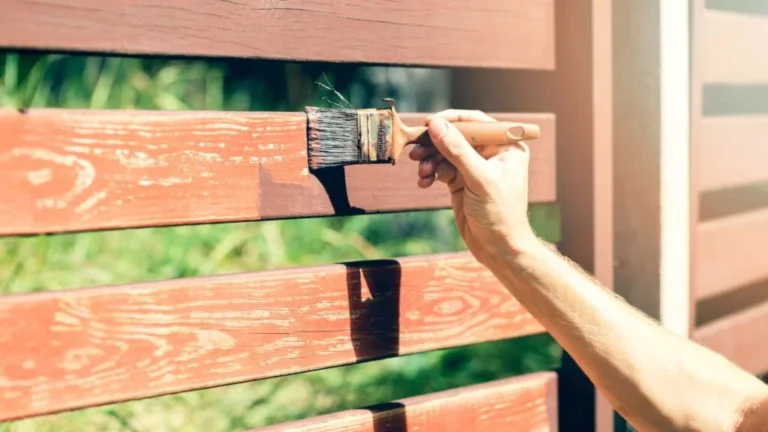
A fence is more than just a boundary marker for a property; it plays an important role in providing privacy, security, and visual appeal. However, because fences are constantly exposed to sunlight, rain, wind, dust, and temperature changes, they naturally deteriorate over time. Without proper care, wood can rot, metal can rust, and surfaces can become dull or discolored. One of the most effective ways to preserve and enhance a fence is through regular painting. Proper painting not only improves appearance but also adds a protective layer that extends the lifespan of the structure.
Fence maintenance is often overlooked until visible damage appears. By that stage, repairs can become more expensive and time-consuming. A proactive approach, including timely repainting, helps prevent deterioration and keeps the fence in strong condition for years. Whether for residential gardens, commercial properties, or agricultural boundaries, a well-maintained fence contributes significantly to overall property value and curb appeal.
Why Fence Painting Is Essential
Fences are exposed to harsh environmental conditions every day. Sunlight causes fading and weakening of materials, while moisture leads to swelling, rust, and decay. Over time, these factors break down the surface of the fence, making it more vulnerable to damage.
Painting acts as a protective barrier between the fence material and the environment. It seals the surface, reducing moisture penetration and shielding it from UV rays. This protection slows down deterioration and helps maintain structural integrity.
In addition to protection, painting significantly enhances appearance. A freshly painted fence can transform the look of an entire property, making outdoor spaces feel cleaner, newer, and more inviting. It also allows homeowners to match the fence with exterior design elements such as walls, landscaping, or outdoor furniture.
Types of Fence Materials and Their Painting Needs
Different fence materials require different painting approaches. Understanding the material is essential for achieving long-lasting results.
Wooden fences are the most common and require regular maintenance. Wood is porous, which means it absorbs moisture easily. Without proper sealing and painting, it can rot or develop mold. Paint or stain helps protect the wood while enhancing its natural texture.
Metal fences, such as wrought iron or steel, require anti-rust coatings before painting. These fences are strong but prone to corrosion if exposed to moisture. Proper priming and protective paint help prevent rust formation.
Vinyl fences are less common when it comes to painting because they are naturally low-maintenance. However, in some cases, specialized paint can be used to change color or refresh appearance.Each material requires specific preparation and paint types to ensure durability and proper adhesion.
Preparing the Fence Before Painting
Proper preparation is one of the most important steps in achieving a high-quality finish. Painting without preparation often leads to peeling, uneven coverage, and reduced lifespan.
The first step is cleaning the surface. Dirt, dust, mold, and old paint must be removed before applying new layers. Pressure washing is commonly used for larger fences, while scrubbing with brushes and cleaning solutions may be used for smaller areas.
Next, any damaged sections should be repaired. Wooden fences may need sanding to smooth rough surfaces or filling to fix cracks. Metal fences may require rust removal using wire brushes or sandpaper.Once the surface is clean and smooth, it must be allowed to dry completely. Painting on a wet or damp surface can trap moisture underneath, leading to future damage.Proper preparation ensures that paint adheres effectively and provides long-lasting protection.
Choosing the Right Paint and Materials
Selecting the correct paint is crucial for durability and appearance. Exterior-grade paints are specifically designed to withstand weather conditions and UV exposure.For wooden fences, acrylic or oil-based paints are commonly used. These provide strong adhesion and weather resistance. Stains are also an option for those who prefer a natural wood appearance while still offering protection.
Metal fences require rust-inhibiting primers and enamel paints. These coatings prevent corrosion and provide a smooth, durable finish.Primer is an essential base layer in most fence painting projects. It improves paint adhesion and enhances color consistency. Skipping primer can reduce the effectiveness of the paint and shorten its lifespan.High-quality brushes, rollers, or spray equipment are also important for achieving even coverage and professional results.
The Fence Painting Process Step by Step
The painting process begins after proper preparation and material selection. The first step is applying a primer coat if required. This base layer ensures better adhesion and improves durability.
Once the primer is dry, the first coat of paint is applied. It is important to use smooth, even strokes to avoid drips or uneven coverage. Depending on the material and paint type, multiple coats may be required for full coverage.
Drying time between coats should be carefully observed. Rushing this process can lead to peeling or bubbling later.After the final coat is applied, the fence should be left to cure completely before exposure to moisture or heavy contact. This ensures the paint fully bonds to the surface.A properly executed process ensures long-lasting results and a professional finish.
Common Problems During Fence Painting
Several issues can arise during fence painting if proper techniques are not followed. One common problem is peeling paint, which usually occurs when the surface was not properly cleaned or primed.Another issue is uneven color coverage, often caused by inconsistent application or low-quality paint. This can result in patchy or streaked appearances.Blistering or bubbling may occur if moisture was trapped under the paint layer. This is usually due to painting on a damp surface or exposure to rain before the paint fully cured.Rust bleeding is another issue for metal fences when proper rust protection is not applied. This can cause discoloration and weaken the structure over time.Proper preparation and correct application techniques help prevent these problems.
Benefits of Regular Fence Maintenance and Painting
Regular painting offers several long-term benefits. One of the most important is extended lifespan. Protective coatings reduce exposure to environmental damage, allowing the fence to last much longer.
Improved curb appeal is another major advantage. A clean, well-painted fence enhances the overall appearance of a property and creates a positive first impression.Maintenance costs are also reduced over time. Preventing damage is far more cost-effective than repairing or replacing sections of a fence.Additionally, painting provides customization options. Property owners can choose colors that match their landscape design or architectural style.Regular upkeep ensures that fences remain both functional and visually appealing.
Timing and Frequency of Fence Painting
The frequency of fence painting depends on material type, weather conditions, and paint quality. Wooden fences typically require repainting every few years due to natural wear and exposure.
Metal fences may require less frequent painting if properly coated with rust-resistant materials. However, regular inspections are still necessary to identify early signs of corrosion.Environmental conditions also play a role. Fences exposed to harsh sunlight, heavy rain, or humidity may require more frequent maintenance.Regular inspection helps determine the right time for repainting before visible damage occurs.
Cost Considerations and Long-Term Value
The cost of fence painting depends on fence size, material, paint quality, and labor requirements. DIY painting may reduce initial costs but requires time, effort, and proper tools.
Professional services may cost more initially but provide higher-quality results and longer-lasting finishes. This reduces the need for frequent repainting and repairs.Investing in quality materials and proper application increases long-term value by extending fence durability and reducing maintenance expenses.A well-maintained fence also increases property value, making it a worthwhile investment for homeowners.
Final Thoughts on Fence Maintenance and Protection
Fence painting is an essential part of property maintenance that combines functionality with aesthetics. It protects materials from environmental damage while enhancing the visual appeal of outdoor spaces.
Proper preparation, high-quality materials, and correct application techniques are key to achieving durable and attractive results. Regular maintenance ensures that fences remain strong, weather-resistant, and visually appealing for years.Ultimately, consistent fence painting is not just about appearance it is about preserving structure, improving longevity, and maintaining the overall value of a property.
