



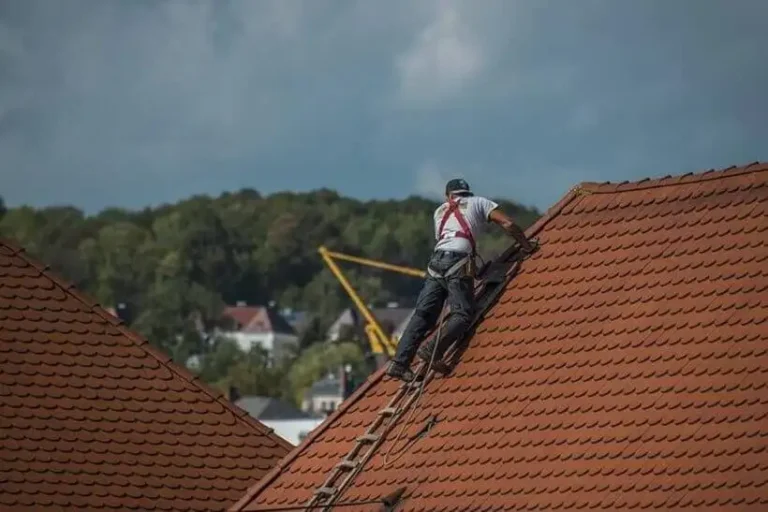
Introduction to Roof Installation and Its Importance
Roof installation is one of the most critical aspects of any building construction because the roof acts as the primary barrier between the interior space and external environmental conditions. It protects the structure from rain, wind, sunlight, temperature changes, and debris while also contributing to energy efficiency, insulation, and overall architectural appearance. A properly installed roof ensures long-term safety, structural stability, and reduced maintenance costs, making it an essential investment for residential, commercial, and industrial properties.
Modern roof installation is not just about placing materials on top of a structure; it involves careful planning, material selection, structural assessment, and precise execution to ensure durability and performance under varying weather conditions. Poor installation can lead to leaks, insulation problems, and costly repairs, which is why professional expertise plays a key role in achieving reliable results.
Importance of Professional Roof Installation
Roof installation requires technical knowledge and experience because even small errors can lead to major structural problems over time. Professional installers understand load distribution, drainage systems, ventilation requirements, and material compatibility, ensuring that the roof performs efficiently throughout its lifespan.
A professionally installed roof also improves energy efficiency by reducing heat transfer and maintaining indoor temperature stability. This helps lower heating and cooling costs while enhancing overall comfort inside the building. In addition, proper installation increases property value and ensures compliance with building codes and safety regulations.
Planning Phase of Roof Installation Projects
The planning stage is essential in roof installation because it determines the success and longevity of the entire system. This phase includes evaluating the building structure, analyzing weather conditions, selecting suitable roofing materials, and designing an efficient drainage system.Architectural design also plays an important role in planning. The slope, shape, and structure of the roof must align with both functional and aesthetic requirements. Proper planning ensures that water flows efficiently off the roof, preventing pooling and potential leakage issues.Budget considerations are also addressed during this phase, as different roofing materials and designs come with varying costs. Careful planning helps balance performance, durability, and affordability.
Types of Roofing Materials Used in Installation
Selecting the right roofing material is one of the most important decisions in roof installation because it directly affects durability, maintenance, and performance.Asphalt shingles are one of the most commonly used roofing materials due to their affordability, ease of installation, and versatility. They offer good weather resistance and are available in various styles and colors.Metal roofs are highly durable and long-lasting, often used in both residential and commercial buildings. They are resistant to extreme weather conditions, fire, and corrosion, making them a strong long-term investment.These materials are known for their aesthetic appeal and durability. They are commonly used in hot climates because they provide excellent heat resistance and insulation.Slate is a premium roofing material that offers exceptional durability and a natural appearance. Although more expensive, it can last for several decades with proper installation.Used mainly in commercial buildings, flat roofs often utilize materials such as modified bitumen, EPDM rubber, or TPO membranes for waterproofing and flexibility.
Step-by-Step Roof Installation Process
Roof installation follows a structured process to ensure safety, durability, and performance.Before installation begins, the building structure is inspected to ensure it can support the chosen roofing system. Any necessary reinforcements are completed at this stage.In replacement projects, existing roofing materials are carefully removed to prepare the surface for new installation.A protective underlayer is installed to provide an additional barrier against moisture and improve insulation.The selected roofing material is installed systematically, ensuring proper alignment, sealing, and fastening.Flashing is installed around chimneys, vents, and edges to prevent water infiltration. Waterproofing ensures long-term protection against leaks.Proper ventilation is added to regulate airflow and prevent moisture buildup inside the roof structure.The completed roof is thoroughly inspected to ensure all components are properly installed and functioning as intended.
Importance of Proper Roof Ventilation
Ventilation is a critical component of roof installation because it helps regulate temperature and moisture levels inside the roof structure. Without proper ventilation, heat and humidity can accumulate, leading to mold growth, wood rot, and reduced insulation efficiency.A well-ventilated roof extends the lifespan of roofing materials and improves indoor air quality. It also helps reduce energy consumption by maintaining a balanced internal temperature throughout the year.
Common Roof Installation Mistakes to Avoid
Improper roof installation can lead to long-term problems and costly repairs. One common mistake is poor material selection, where roofing materials are not suited for local weather conditions. Another issue is inadequate sealing, which can result in leaks and water damage.Incorrect alignment of roofing materials can also compromise structural integrity and reduce durability. Additionally, ignoring ventilation requirements often leads to moisture buildup and insulation failure.Avoiding these mistakes requires professional expertise and careful attention to detail during installation.
Weather Considerations in Roof Installation
Weather plays a significant role in roof installation because different climates require different roofing solutions. In areas with heavy rainfall, waterproofing and drainage systems are crucial. In hot climates, reflective materials and insulation are important to reduce heat absorption.Wind-resistant designs are necessary in regions prone to storms or hurricanes. Snow-prone areas require roofs with steeper slopes to prevent accumulation and structural stress. Proper adaptation to environmental conditions ensures long-term performance and safety.Although roof installation is a one-time process, regular maintenance is essential to ensure long-term durability. Routine inspections help identify early signs of damage such as cracks, loose shingles, or leaks.Cleaning gutters and removing debris prevents water blockage and structural damage. Timely repairs extend the lifespan of the roof and reduce the risk of major issues. Proper maintenance ensures that the roof continues to perform efficiently over time.
Energy Efficiency and Roof Installation
Modern roof installation techniques focus heavily on energy efficiency. Reflective roofing materials, proper insulation, and ventilation systems help reduce energy consumption by maintaining indoor temperature stability.Energy-efficient roofs lower heating and cooling costs while reducing environmental impact. This makes them an important consideration for both residential and commercial properties.
Cost Factors in Roof Installation
The cost of roof installation depends on several factors including material type, roof size, labor charges, and design complexity. Premium materials such as slate and metal tend to be more expensive but offer longer lifespans.Labor costs also vary depending on project difficulty and location. Additional features such as insulation, skylights, and advanced waterproofing systems can further influence total expenses. Proper budgeting ensures that quality is maintained without overspending.Safety is a top priority during roof installation because the work involves heights, heavy materials, and specialized tools. Professional installers use safety harnesses, scaffolding, and protective equipment to reduce risks.
Proper training and adherence to safety standards help prevent accidents and ensure smooth project execution. Safe installation practices also protect the structural integrity of the building.
Conclusion
Roof installation is a vital construction process that ensures the safety, durability, and efficiency of any building. From material selection and structural planning to installation and maintenance, every step plays a crucial role in achieving long-lasting performance.A properly installed roof not only protects against environmental elements but also enhances energy efficiency, improves aesthetics, and increases property value. With professional expertise and careful planning, roof installation becomes a long-term investment in safety and structural reliability.
