



Introduction
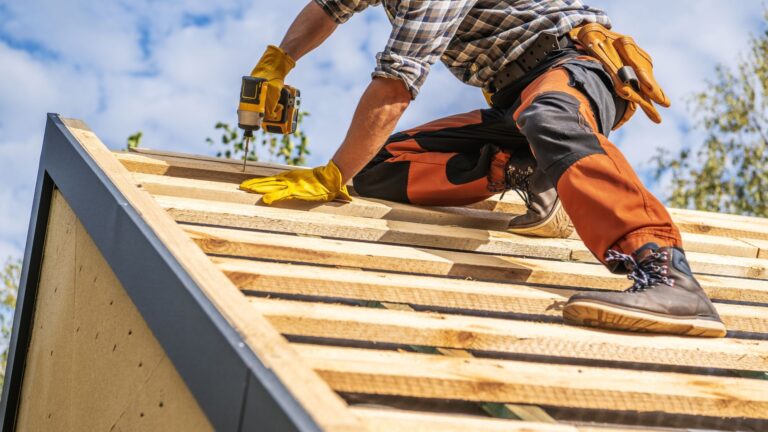
Roof installation is one of the most critical stages in building construction because it determines the long-term durability, safety, and weather resistance of the entire structure. A properly installed roof protects the building from rain, wind, heat, snow, and other environmental factors that can cause structural damage over time. When done correctly, roof installation ensures that the building remains secure, energy-efficient, and resistant to leaks and moisture intrusion for many years.
The process of installing a roof involves multiple layers, materials, and technical steps that must be executed with precision. Even small mistakes during installation can lead to long-term problems such as leaks, insulation damage, and premature roof failure. This is why understanding how roofing systems are installed and why professional expertise is important plays a key role in maintaining a safe and durable structure.
Importance of Proper Roof Installation
A properly installed roof acts as the first line of defense against environmental exposure. It prevents water from entering the structure, regulates indoor temperature, and protects the building’s foundation and interior components. When installation is done correctly, the roof can last for decades without major issues.
Poor installation, however, can lead to serious problems such as water leaks, mold growth, and structural weakening. Even high-quality roofing materials cannot perform effectively if they are not installed correctly. This is why precision, planning, and professional execution are essential during the installation process.
Types of Roofing Systems Used in Installation
Different types of roofing systems are used depending on building design, climate conditions, and budget. Asphalt shingles are one of the most commonly used materials due to their affordability and durability. Metal roofing systems are known for their long lifespan and strong resistance to harsh weather conditions. Tile roofing provides a premium appearance and excellent durability, while flat roofing systems are often used in commercial buildings for practicality and ease of maintenance.
Each roofing system requires a different installation approach, but all share the same goal of providing long-term protection and structural stability. Choosing the right system is an important part of the overall installation process.
Step-by-Step Roof Installation Process
The process of installing a roof begins with a detailed inspection of the building structure to ensure the surface is ready for installation. Any damaged or weak areas must be repaired before new roofing materials are applied.
The next step involves installing an underlayment, which serves as an additional waterproof barrier beneath the primary roofing material. This layer is essential for preventing moisture from penetrating the structure.
After the underlayment is installed, roofing materials such as shingles, metal panels, or tiles are carefully placed in overlapping layers. Proper alignment and fastening are critical to ensure resistance against wind and water.
Flashing is then installed around vulnerable areas such as chimneys, vents, and skylights to prevent leaks. Finally, ridge caps are placed at the roof’s highest points to seal the structure and provide additional protection.
Importance of Professional Roof Installation Services
Roofing is a highly technical process that requires skill, experience, and proper tools to ensure long-term performance. Even minor errors during installation can result in major structural problems over time.
This is why many property owners rely on expert services for roof installation to ensure precision, durability, and compliance with safety standards. Professional roofers are trained to handle complex roofing systems and ensure that every layer is installed correctly for maximum protection.
Without professional installation, roofs are more likely to experience premature failure, leaks, and costly repairs.
Tools and Materials Used in Roof Installation
Roof installation requires a wide range of tools and materials to ensure accuracy and safety. Common materials include shingles, metal sheets, tiles, underlayment, flashing, nails, and waterproof sealants.
Tools such as hammers, nail guns, cutting tools, ladders, and scaffolding are essential for precise installation. Safety equipment including harnesses and protective gear is also required to prevent accidents during high-elevation work.
Each tool and material plays an important role in ensuring that the roof is installed securely and functions effectively under different weather conditions.
Common Mistakes During Roof Installation
Improper roof installation can lead to a variety of long-term problems. One of the most common mistakes is incorrect alignment of roofing materials, which can create gaps and allow water infiltration.
Insufficient fastening of shingles or panels can also lead to wind damage, especially during storms. Poor installation of flashing is another common issue that often results in leaks around chimneys and vents.
Using low-quality materials or skipping underlayment installation can significantly reduce the lifespan of the roof. These mistakes highlight the importance of proper planning and professional execution.
Weather Impact on Roof Installation Quality
Weather conditions play a major role in the success of a roof installation. Installing roofing materials during extreme heat can cause expansion issues, while cold temperatures may make materials brittle and difficult to handle.
Windy conditions can also interfere with proper alignment and fastening of materials. Rain during installation can compromise adhesive and sealing processes, leading to long-term vulnerabilities.
For this reason, timing and environmental conditions must always be considered during installation projects.
Energy Efficiency Benefits of Proper Installation
A well-installed roof contributes significantly to energy efficiency by regulating indoor temperature and reducing energy consumption. Proper insulation and ventilation help maintain a balanced indoor environment, reducing the need for excessive heating or cooling.
Reflective roofing materials can also help reduce heat absorption, making buildings more energy-efficient during warmer months. Proper installation ensures that all energy-saving features of the roofing system function effectively.
Long-Term Benefits of Proper Roof Installation
Proper roof installation provides long-term benefits such as increased structural durability, reduced maintenance costs, and improved property value. A well-installed roof protects against leaks, weather damage, and structural deterioration.
It also ensures better indoor comfort and reduces the likelihood of emergency repairs. Over time, a properly installed roof delivers strong return on investment by minimizing repair expenses and extending the lifespan of the building.
Maintenance After Roof Installation
Even after proper installation, regular maintenance is necessary to ensure long-term performance. Routine inspections help identify minor issues such as loose shingles, clogged gutters, or small leaks before they become major problems.
Cleaning debris from the roof surface and maintaining proper drainage helps prevent moisture buildup. Addressing small repairs quickly ensures that the roofing system continues to perform effectively over time.
Conclusion
Roof installation is a critical process that determines the strength, safety, and durability of any building. Proper installation ensures long-term protection against environmental damage while improving energy efficiency and structural stability.
With the right materials, skilled professionals, and careful execution, a roof can provide decades of reliable performance. Professional expertise plays a key role in ensuring that every step of the installation process is completed correctly, making the roof a strong and dependable shield for the entire structure.
