



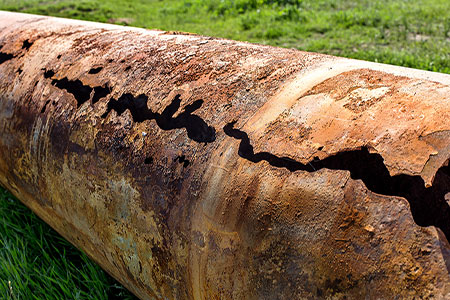
Corrosion is the industrial world’s most persistent and most expensive enemy. It attacks pipelines, vessels, structural steel, hydraulic components, marine assets, and process equipment with a patience and consistency that no maintenance program can entirely neutralise — only manage. The global cost of corrosion damage has been estimated at USD 2.5 trillion annually, encompassing direct repair and replacement costs, production losses, environmental incidents, and safety events. Yet the evidence is equally clear that a significant proportion of that cost is preventable through the systematic application of proven corrosion management strategies.
Understanding the True Cost
The cost of corrosion extends well beyond the replacement of corroded components. The direct costs — material selection, protective coatings, cathodic protection systems, inspection, maintenance, and repair — are substantial but quantifiable. The indirect costs are harder to measure and frequently larger in total: lost production during unplanned outages, environmental remediation following containment failures, regulatory penalties, and the reputational consequences of infrastructure incidents that corrosion has enabled.
NACE International’s landmark corrosion cost study found that the direct cost of corrosion to the United States economy exceeded $276 billion annually, with the oil and gas, utilities, transportation, and manufacturing sectors carrying the largest burdens. Studies since have consistently found that 15 to 35 per cent of corrosion costs could be eliminated by applying currently available best practices and technologies.
The Prevention Toolkit
The range of proven corrosion-prevention technologies available to industrial operators is broad and well developed. Protective coatings — from fusion-bonded epoxy on pipelines to high-performance polyurethane on structural steel — provide the first line of defence by creating a physical barrier between the substrate and its corrosive environment. Cathodic protection systems, both impressed-current and sacrificial anode, protect buried and submerged metallic structures by electrochemically suppressing corrosion reactions. Material selection strategies that specify corrosion-resistant alloys, composite materials, or polymer linings for aggressive service environments eliminate the problem at the design stage rather than managing it through the asset’s life.
Hydraulic Systems and Corrosion Risk
Hydraulic cylinders and associated components represent a specific and significant corrosion risk in industrial plants. Chrome-plated cylinder rods exposed to saltwater, acidic atmospheres, or abrasive contamination develop pitting that destroys seal integrity and accelerates internal wear. Hydraulic cylinder repair that addresses rod pitting through regrinding, re-chroming, or ceramic coating is a core corrosion management intervention — one that restores component function and prevents the progressive seal failure and fluid loss caused by corroded cylinder rods. Proactive corrosion monitoring that identifies surface degradation early makes timely repair possible before damage becomes irreversible.
Building a Corrosion Management Culture
Effective corrosion management requires organisational commitment that extends beyond the maintenance department. As Corrosionpedia documents, corrosion remains one of the largest expenses facing industrial companies and public infrastructure — exceeded only by massive industries like healthcare — and the business case for structured corrosion management is both clear and compelling for operators willing to invest in prevention rather than cure.
