



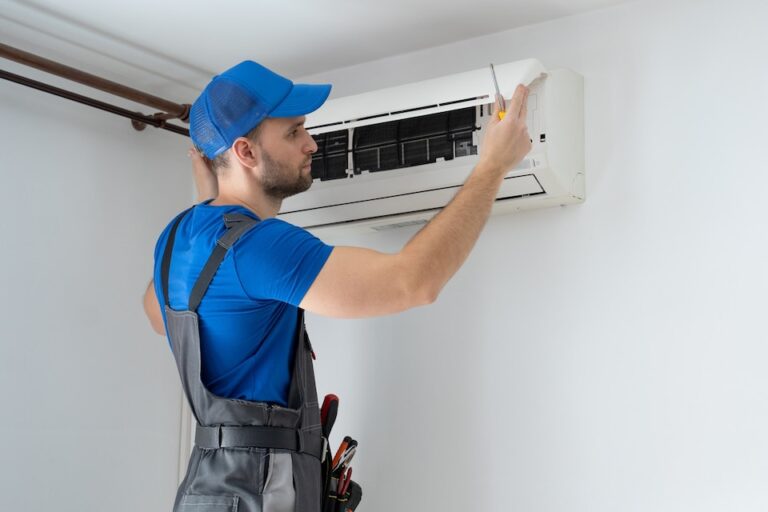
Air conditioning has become an essential part of modern living, especially in regions where temperature fluctuations can affect comfort, productivity, and even health. Whether in homes, offices, or commercial spaces, a properly installed air conditioning system ensures stable indoor temperatures and improved air quality throughout the year. However, the effectiveness of any cooling system depends heavily on how well it is installed and maintained. A proper AC install is not just about placing a unit and turning it on; it is a technical process that requires careful planning, accurate calculations, and professional execution to ensure long-term efficiency and reliability.
Modern air conditioning systems are more advanced than ever before. They are designed to be energy-efficient, environmentally friendly, and capable of maintaining consistent cooling under different conditions. Despite these advancements, improper installation can still lead to serious performance issues, including uneven cooling, higher electricity bills, frequent breakdowns, and reduced system lifespan. This is why understanding the installation process and its requirements is essential for anyone planning to invest in a cooling system.
Understanding the Importance of Proper AC Installation
The installation of an air conditioning system involves several technical steps that must be completed with precision. It begins with selecting the right type and size of system based on the space requirements. An undersized unit will struggle to cool the area effectively, while an oversized unit will consume excessive energy and fail to regulate humidity properly. This balance is critical for achieving both comfort and efficiency.
A proper AC install also involves selecting the correct location for both indoor and outdoor units. Indoor units must be placed where airflow is not obstructed, while outdoor units require proper ventilation and protection from direct environmental damage. Incorrect placement can significantly reduce system efficiency and increase wear and tear over time.
Electrical connections, refrigerant lines, and drainage systems must also be installed correctly. Even a minor mistake in these components can lead to major operational issues. For example, improper refrigerant handling can reduce cooling efficiency, while faulty electrical wiring can create safety hazards. This level of precision highlights why professional expertise is essential during installation.
System Components and Their Functional Role
To understand the complexity of air conditioning installation, it is important to examine the main components of the system. Every air conditioning unit consists of several interconnected parts, including the compressor, condenser, evaporator, expansion valve, and air handling units. Each component plays a specific role in the cooling process.
The compressor is often considered the heart of the system. It compresses refrigerant gas and circulates it through the system. The condenser releases heat absorbed from indoor air to the outside environment. The evaporator absorbs heat from indoor air, cooling it before it is circulated back into the room. The expansion valve regulates refrigerant flow between these components.
When these parts are installed correctly and function in harmony, the system delivers consistent cooling performance. However, any imbalance in installation or configuration can disrupt the entire process, leading to inefficiency and discomfort.
Step-by-Step Process of Installation
A proper AC install follows a structured process that ensures all components are correctly positioned and connected. The first step involves site inspection and load calculation. This determines the cooling capacity required for the space based on factors such as room size, insulation quality, number of occupants, and heat sources.
Once the system size is determined, technicians proceed with mounting the indoor unit. This step requires careful alignment to ensure proper airflow distribution. The outdoor unit is then installed in a well-ventilated area to ensure efficient heat dissipation.
Next comes the installation of refrigerant piping and drainage systems. These must be sealed properly to prevent leaks, which can affect cooling performance. Electrical wiring is then connected, ensuring compliance with safety standards and manufacturer guidelines. Finally, the system is tested to ensure proper operation and balanced airflow.
This entire process requires technical expertise and precision. Even a small mistake during installation can lead to long-term performance issues, which is why professional support is highly recommended.
Energy Efficiency and Performance Optimization
Energy efficiency is one of the most important aspects of modern air conditioning systems. A properly installed system consumes less electricity while delivering optimal cooling performance. However, installation quality plays a major role in determining energy efficiency.
Poor installation can lead to refrigerant leaks, air leakage in ducts, and inefficient airflow distribution. These issues force the system to work harder, increasing energy consumption and operational costs. On the other hand, a properly executed AC install ensures that the system operates within its designed efficiency range.
Regular maintenance also contributes to energy efficiency. Clean filters, properly sealed ducts, and well-maintained components help the system operate smoothly. Over time, even small inefficiencies can lead to significant energy losses if not addressed properly.
Professional support through hvac services ensures that systems are not only installed correctly but also optimized for long-term performance. Experts analyze system behavior, identify inefficiencies, and make necessary adjustments to improve energy consumption and cooling output.
Common Installation Mistakes and Their Consequences
Improper installation is one of the leading causes of air conditioning problems. One common mistake is incorrect sizing of the system. When the unit is too small, it struggles to cool the space, leading to constant operation and high energy bills. When it is too large, it cycles on and off frequently, reducing efficiency and causing uneven cooling.
Another common issue is poor refrigerant handling. Incorrect refrigerant levels can significantly reduce cooling performance and damage the compressor over time. Faulty electrical connections are also a serious concern, as they can lead to system failure or safety hazards.
Improper placement of indoor and outdoor units is another frequent mistake. If airflow is obstructed or ventilation is inadequate, the system cannot operate efficiently. These issues highlight the importance of professional installation and careful planning.Experienced technicians offering hvac services are trained to avoid these mistakes by following industry standards and manufacturer guidelines. Their expertise ensures that systems are installed correctly and perform efficiently from the beginning.
Maintenance and Long-Term System Care
Installation is only the first step in ensuring long-term system performance. Regular maintenance is equally important for keeping the system in optimal condition. Over time, dust and debris can accumulate in filters and coils, reducing airflow and cooling efficiency.
Routine maintenance includes cleaning filters, inspecting refrigerant levels, checking electrical connections, and ensuring proper drainage. These tasks help prevent breakdowns and extend system lifespan. Neglecting maintenance can lead to reduced performance, higher energy consumption, and costly repairs.
Professional hvac services play a critical role in ongoing system care. Technicians conduct detailed inspections to identify potential issues before they become major problems. They also ensure that all components are functioning efficiently and safely.
Regular servicing not only improves performance but also enhances indoor air quality. Clean systems reduce the presence of dust, allergens, and pollutants, creating a healthier indoor environment for occupants.
Technological Advancements in Air Conditioning Systems
Modern air conditioning systems have evolved significantly with advancements in technology. Smart systems now allow users to control temperature settings remotely using mobile applications. These systems can also learn user preferences and adjust cooling automatically for maximum comfort and efficiency.
Inverter technology has also improved energy efficiency by allowing compressors to adjust speed based on cooling demand. This reduces energy consumption and provides more consistent temperature control. Additionally, eco-friendly refrigerants are being used to reduce environmental impact.
Despite these advancements, proper installation remains essential. Even the most advanced system will underperform if not installed correctly. This is why professional hvac services are still necessary to ensure that modern systems are configured and optimized properly.
Long-Term Benefits of Proper Installation
A correctly installed air conditioning system provides numerous long-term benefits. It ensures consistent cooling performance, reduces energy consumption, and minimizes the need for frequent repairs. It also improves indoor air quality and enhances overall comfort.
From a financial perspective, proper installation reduces long-term operational costs. While professional installation may require an initial investment, it prevents costly repairs and energy waste in the future. Over time, this results in significant savings.
System longevity is another important benefit. Proper installation reduces stress on components, allowing the system to operate efficiently for many years. Regular maintenance further extends this lifespan and ensures reliable performance.
Choosing the Right Professional Support
Selecting the right professionals for ac installation and maintenance is crucial for achieving optimal results. Experienced technicians understand system requirements, follow safety standards, and ensure precise installation. They also provide valuable guidance on system selection and energy efficiency improvements.
Reliable hvac services ensure that customers receive consistent support throughout the system lifecycle. From installation to maintenance and repair, professional expertise ensures smooth operation and long-term reliability.
Clear communication, technical knowledge, and quality service are key factors when choosing a service provider. A trusted professional ensures that the system operates efficiently and safely under all conditions.
Conclusion
Air conditioning systems play a vital role in maintaining comfort and productivity in modern environments. However, their performance depends heavily on proper installation, regular maintenance, and professional care. A correctly executed AC install ensures energy efficiency, consistent cooling, and long-term reliability.
Understanding system components, avoiding installation mistakes, and investing in regular maintenance are all essential steps for achieving optimal performance. With the support of expert hvac services, users can ensure that their systems operate efficiently, safely, and cost-effectively for many years.
In the end, a well-installed and properly maintained air conditioning system is not just a comfort solution but a long-term investment in efficiency, health, and sustainability.
