



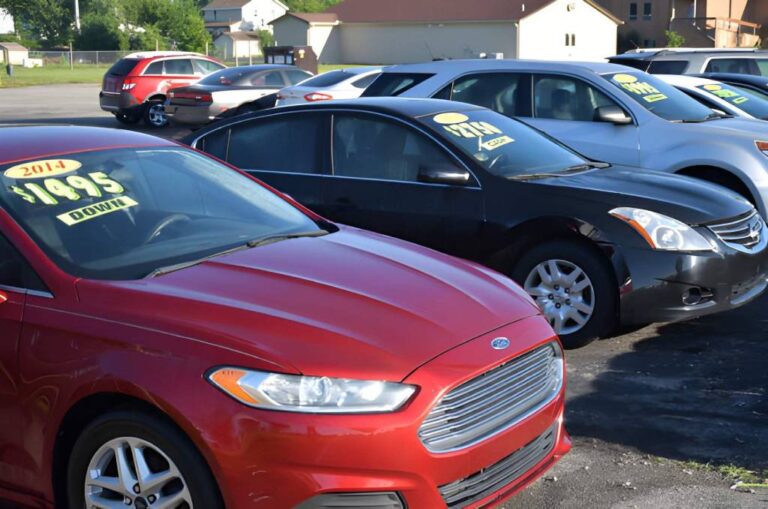
Most people who get burned buying a used car in Abu Dhabi did not get unlucky. They just moved too fast.
What’s interesting is they fell for a clean interior, skipped the inspection, and ignored a few warning signs because the price felt right. A few weeks later, the repair bills started. This guide exists so that does not happen to you.
Check out used cars in Abu Dhabi and go in knowing exactly what things are worth and what to look for before you spend a single dirham.
What Should You Actually Expect to Pay?
Prices in Abu Dhabi’s used car market stretch from AED 7,500 all the way into the millions for high-end luxury cars.
That wide range is actually great news because it means there’s something here for almost every budget.
Here is a rough guide to help you find your starting point:
| Budget Range | What You Can Get |
| AED 7,500 – 20,000 | Older economy cars, higher mileage |
| AED 20,000 – 50,000 | Mid-range sedans, 3–7 years old |
| AED 50,000 – 100,000 | Newer SUVs, lower mileage options |
| AED 100,000+ | Premium, luxury, or near-new vehicles |
The UAE has one of the most active car markets in the world, with over 940 automotive companies in the Jebel Ali Free Zone alone.
That level of supply works in your favour. If you aren’t in a rush, you’ll find a genuinely good deal.
How Do You Know If the Price Is Fair?
Honestly, most sellers price with hope, not logic. That’s why you need to do your homework before you even call anyone.
Look up at least five similar cars before you get serious about any one listing. Same brand, same model, similar year, and mileage.
Once you have done that, you’ll immediately know if someone is asking too much or offering something suspiciously cheap. Both extremes deserve a second look.
Mileage tells a story, too.
In Abu Dhabi, most drivers cover around 20,000 to 25,000 km a year. So if a five-year-old car has 60,000 km on it, that’s genuinely low and worth a slightly higher price. But if it has clocked 180,000 km, the asking price should come down, and your inspection should go up a level.
The Inspection Checklist That Could Save You Thousands
Here is the honest truth about inspections.
Most buyers do a quick look around, sit inside for two minutes, and call it done. that’s exactly how people end up paying for someone else’s problems.
Set aside a proper hour for this. it’s worth every minute.
Walk Around the Outside First
Do this in natural daylight, not inside a showroom with flattering lighting.
Go slowly around the entire car and look at the paint on each panel. If two panels next to each other don’t quite match in colour or texture, that usually means one of them was repainted after an accident.
Check that every door, the bonnet, and the boot open and close without any resistance. And look at the gaps between panels. If they look uneven or inconsistent, the car has likely taken a knock at some point.
Open the Bonnet and Have a Look
You don’t need to be a mechanic to catch red flags here. Look for oil stains around the engine block, corroded or fraying wires, and any wet patches that suggest a leak.
Then pull out the oil dipstick. If the oil is clean and amber-coloured, that’s a good sign. If it’s thick, dark, and gritty, the car hasn’t been looked after the way it should be. That alone tells you a lot about the previous owner.
Get Inside and Test Everything
Don’t just sit there. Press every button.
Test the AC and let it run for a full five minutes because in Abu Dhabi, the air conditioning isn’t optional. Check all four windows go up and down, the mirrors adjust, and the seats move properly.
Then crouch down and look under the seats and in the boot for rust spots or a damp smell. Water damage is one of those problems that keeps giving long after the sale.
Check the Tyres and Ask About the Brakes
Look at all four tyres, including the spare. If the front tyres are wearing down unevenly, especially on one side, that usually points to a suspension or alignment issue that will cost you to fix.
Ask the seller directly when the brakes were last replaced. And when you test drive, listen carefully for any grinding when you brake.
Take It for a Proper Drive
Not just around the block. Drive it at regular city speed and then push it a bit on a faster road if you can. The car should feel calm and in control.
If the steering pulls to one side, if there are vibrations you can’t explain, or if you hear something odd when turning or braking, those aren’t things to ignore and come back to later. they’re reasons to walk away or negotiate hard.
The Paperwork isn’t Just a Formality
Ask for the original registration card, the full service history, and valid insurance before you agree to anything.
Then compare the chassis number on those documents with the one stamped on the dashboard near the windscreen.
They need to match exactly.
Also, check whether the car has any outstanding loans against it. This is something a lot of buyers forget about. If the previous owner still owes money on the vehicle, that debt does not disappear when you buy it.
Run a check through the Abu Dhabi traffic system or ask a licensed dealer to do it for you. It takes five minutes and can save you a serious headache.
You Have More Power Than You Think
The UAE car market is expected to nearly double in size by 2030. More cars, more sellers, more competition. That’s a buyer’s market if you know how to use it. Platforms with verified listings and transparent pricing make it much easier to compare options and spot when something does not add up.
The buyers who get the best deals are never the ones who rush.
They’re the ones who took their time, asked uncomfortable questions, and walked away at least once before finding the right car at the right price. That’s the move.
