



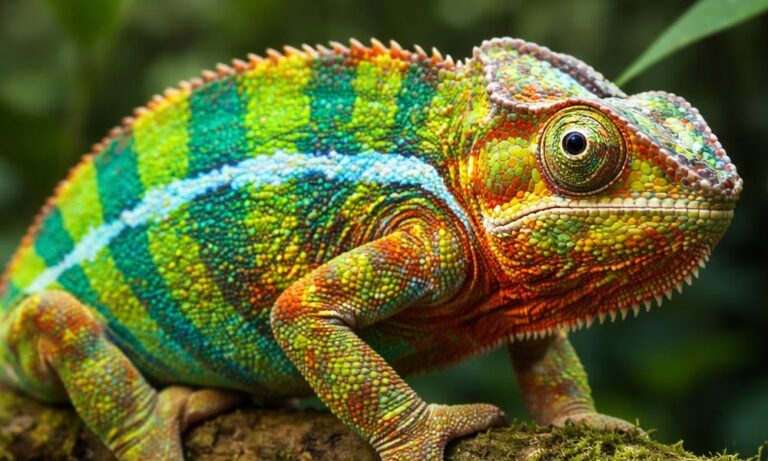
Have you ever seen an animal change its color right in front of your eyes? It almost feels like magic. That’s exactly why chameleónovité are so fascinating. These small reptiles can shift colors, move slowly like they are sneaking, and look in two directions at the same time. Sounds amazing, right?
But there is much more to them than just color change. Chameleónovité are smart hunters, careful climbers, and very special animals in nature. They live in trees, eat insects, and have bodies designed perfectly for survival. Many people in 2026 are curious about them, especially students and pet lovers.
In this guide, we will explore everything about chameleónovité in a very simple way. You will learn what they are, where they live, how they change color, and what makes them so unique. Let’s start this fun journey together.
What Are Chameleónovité? (Simple Meaning)
The word chameleónovité is used in Slovak and Czech languages. It means a group of animals called chameleons. In science, this group is known as Chamaeleonidae. This family includes more than 200 types of chameleons found around the world.
These reptiles belong to the same big group as lizards and snakes. But they are very different from normal lizards. Their body is built for climbing trees, not running on the ground. They move slowly, hold branches tightly, and stay hidden from danger.
People love chameleónovité because they are not ordinary animals. Their color-changing skin, long tongue, and special eyes make them one of the most unique reptiles on Earth.
Where Do Chameleónovité Live?
You can find chameleónovité mostly in warm places. The biggest number of species lives in Madagascar, a large island near Africa. In fact, almost half of all chameleons come from there. That’s why Madagascar is called a hotspot for chameleons.
They also live in many parts of Africa, some areas of Europe, the Middle East, and even parts of Asia. Each place offers a different environment, and chameleons have learned to adapt to each one.
Some chameleónovité live in rainforests with lots of trees and humidity. Others live in dry areas with less water. No matter where they live, they always need warmth. Cold weather is not good for them, so they stay in tropical and warm regions.
Types of Chameleónovité You Should Know
There are more than 200 types of chameleónovité, and each one is different. Some are very small, while others grow quite large. This variety makes them even more interesting to study.
One popular type is the Veiled Chameleon. It is strong and often kept as a pet. The Panther Chameleon is famous for its bright and beautiful colors. Jackson’s Chameleon is easy to recognize because it has three horns on its head. Then there are tiny Pygmy chameleons that look like dry leaves.
These different types show how chameleónovité can live in many environments. Some are bright and colorful, while others are simple and blend into their surroundings perfectly.
Why Chameleónovité Change Color
Many people think chameleónovité change color just to hide. But that is only part of the truth. They actually change color for many reasons.
For example, a chameleon may turn bright to attract a mate. It may change color to show anger or fear. It can also adjust its color to control body temperature. Dark colors help them stay warm, while light colors keep them cool.
So, color change is like a language for chameleónovité. It helps them communicate without making sounds. Isn’t that interesting?
Amazing Body Features of Chameleónovité
The body of chameleónovité is full of special features. One of the most amazing is their eyes. Each eye can move in a different direction. This means they can look forward and backward at the same time.
Their tongue is another powerful tool. It is long, sticky, and very fast. In just a second, it can shoot out and catch an insect. Imagine catching your food without moving your body!
They also have strong feet that grip branches tightly. Their tail works like an extra hand, helping them balance while climbing. All these features make chameleónovité perfect tree climbers.
How Chameleónovité Hunt Their Food
Chameleons are not fast runners. Instead, they are patient hunters. They stay still and wait for the right moment. When an insect comes close, they act quickly.
Their tongue shoots out faster than you can blink. It grabs the prey and pulls it back instantly. This method helps chameleónovité catch food without chasing it.
They mostly eat insects like crickets, flies, and worms. Some larger chameleons may even eat small animals. Their hunting style is quiet, simple, and very effective.
Behavior and Daily Life of Chameleónovité
Chameleónovité prefer to live alone. They do not like sharing space with others. Males can be very protective of their area and may show bright colors to scare away rivals.
They spend most of their time on trees. Moving slowly helps them stay hidden from predators. If danger comes, they may freeze or change color to blend in.
Their daily life is calm and quiet. They hunt, rest, and stay alert. Even though they look slow, they are always aware of what is happening around them.
How Chameleónovité Reproduce and Grow
When it’s time to mate, male chameleónovité show bright colors to attract females. If the female is interested, she allows the male to come closer. If not, she may show dark colors to warn him away.
Most chameleons lay eggs. The female finds a safe place in the ground and lays her eggs there. After some months, baby chameleons hatch and start living on their own right away.
Some species give birth to live babies instead of laying eggs. The lifespan of chameleónovité depends on the type, but many live between 3 to 10 years with proper care.
Chameleónovité as Pets: Good or Not?
Many people today want to keep unique animals, and chameleónovité are often on that list. Their colors and calm nature make them look like perfect pets. But are they really easy to keep?
The truth is, chameleons are not like cats or dogs. They do not like to be touched often. In fact, too much handling can make them stressed. They are best for people who enjoy watching rather than playing with their pets.
There are some good sides too. Chameleónovité are quiet, clean, and do not need much space compared to larger animals. But they do need special care. So, before getting one, it is important to understand their needs fully.
How to Take Care of Chameleónovité
Taking care of chameleónovité needs planning. First, you need a tall cage because they love climbing. A small or flat cage will not make them happy. Adding branches and plants helps them feel like they are in nature.
Temperature and light are very important. Chameleons need warmth during the day and a cooler space at night. They also need UVB light to stay healthy. Without it, their bones can become weak.
Water is also different for them. Chameleónovité usually do not drink from bowls. They drink water drops from leaves. So, spraying water inside the cage helps keep them hydrated. Feeding them fresh insects regularly keeps them active and strong.
Common Health Problems in Chameleónovité
Just like any animal, chameleónovité can get sick if not cared for properly. One common problem is weak bones, which happens when they do not get enough light or calcium.
Another issue is dehydration. If the air is too dry or they do not get enough water, they can become weak very quickly. You might notice sunken eyes or low energy.
Breathing problems can also happen if the cage is too cold or dirty. The good news is that most of these problems can be avoided with proper care. A clean setup, correct light, and good food can keep your chameleon healthy.
Why Chameleónovité Are Important for Nature
Chameleónovité play an important role in nature. They eat many insects, which helps control insect populations. Without them, some insects could grow too fast and harm plants and crops.
They are also part of the food chain. Birds, snakes, and other animals eat chameleons. This balance helps keep ecosystems healthy and stable.
Another interesting thing is that chameleónovité can act like warning signs. If their numbers start dropping, it may mean the environment is in trouble. This makes them very important for scientists and nature lovers.
Threats Facing Chameleónovité Today
Sadly, many chameleónovité are in danger today. One of the biggest problems is the loss of forests. Trees are cut down, and chameleons lose their homes.
Climate change is another issue. Changes in temperature and rain can make it hard for them to survive. Since they depend on specific conditions, even small changes can affect them.
Illegal pet trade is also a big threat. Some people take chameleons from the wild and sell them. This reduces their numbers in nature and harms their future.
How We Can Protect Chameleónovité
Protecting chameleónovité is something we can all help with. One simple step is to never buy wild-caught animals. Always choose pets from trusted breeders.
Supporting wildlife groups is another great way. Many organizations work to protect forests and animals. Even sharing information online can help raise awareness.
Small actions can make a big difference. Teaching others about chameleónovité and their importance helps protect them for the future. Every effort counts.
Fun and Surprising Facts About Chameleónovité
Did you know that some chameleónovité are smaller than your finger? The tiniest ones are only a few centimeters long. On the other hand, some can grow quite large.
Their tongue is one of the fastest tools in nature. It can shoot out and catch prey in less than a second. That’s faster than you can blink your eyes!
Another fun fact is their vision. They can see almost all around them without moving their head. This makes them excellent hunters and helps them stay safe from danger.
Chameleónovité in Culture and Stories
For a long time, chameleónovité have been symbols of change and adaptability. People see them as animals that can adjust to any situation.
In stories and movies, chameleons are often shown as clever and mysterious. You may have seen them in animated films where they use their color-changing ability in fun ways.
Even in real life, people use the word “chameleon” to describe someone who can adapt easily. This shows how deeply these animals are connected to human ideas and culture.
Conclusion
Now you can see why chameleónovité are so special. They are not just colorful reptiles. They are smart, unique, and very important for nature.
From their amazing eyes to their fast tongue, everything about them is designed perfectly. They live quiet lives but play a big role in the environment.
As we move forward in 2026 and beyond, it is important to respect and protect these creatures. Learning about chameleónovité is the first step toward caring for them and keeping them safe for future generations.
(FAQs)
What do chameleónovité eat in the wild and at home?
Chameleónovité mostly eat insects like crickets, flies, grasshoppers, and worms. In the wild, they catch live prey using their fast tongue. At home, they need fresh, live insects that are healthy and full of nutrients to keep them strong.
Can chameleónovité really change color instantly?
Chameleónovité can change color quickly, but not like magic in one second. The speed depends on the species and situation. They change color to show mood, control body temperature, or communicate, not just to hide.
Are chameleónovité good pets for beginners?
Chameleónovité are not the best choice for beginners. They need special care like proper lighting, humidity, and diet. They also do not like to be handled often, so they are better for experienced pet owners.
How long do chameleónovité live?
The lifespan of chameleónovité depends on their type. Smaller species may live around 2 to 5 years, while larger ones like veiled chameleons can live up to 8 or even 10 years with good care.
Why do chameleónovité change color?
Chameleónovité change color for many reasons. They use it to show emotions, attract mates, warn other chameleons, and control their body temperature. It is like their way of talking without sound.
Where are chameleónovité found in the world?
Chameleónovité are mostly found in Madagascar and Africa. Some species also live in parts of Europe, the Middle East, and Asia. They prefer warm places with trees and plants.
Do chameleónovité drink water like other animals?
No, chameleónovité usually do not drink from bowls. They drink water drops from leaves. That is why misting their environment is very important, especially in captivity.
What makes chameleónovité different from other lizards?
Chameleónovité are very different because of their color-changing skin, eyes that move separately, long sticky tongue, and strong gripping feet. These features make them unique among reptiles.
Are chameleónovité dangerous to humans?
No, chameleónovité are not dangerous. They are calm and shy animals. They do not attack humans and usually try to stay hidden if they feel scared.
Why are some chameleónovité endangered?
Some chameleónovité are endangered because of habitat loss, climate change, and illegal pet trade. When forests are cut down, they lose their homes, which makes survival harder for them.
You may also read: WebTub: The Easy Video Platform Built for Today’s Creators and Viewers
