



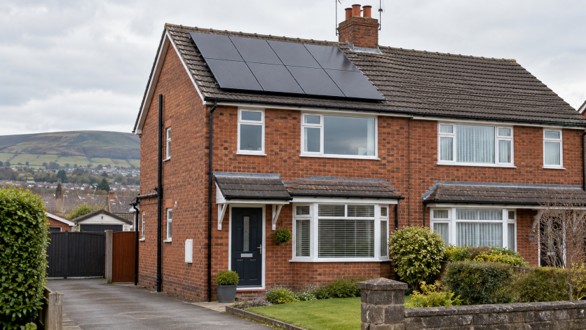
Lancashire does not need cloudless skies for rooftop solar to generate electricity. The better question is how well a particular roof and household fit together. Before comparing panels by price or wattage, a homeowner can ask a few practical questions that reveal whether the proposed system makes sense.
Does the roof get useful daylight
A survey should look at the direction and pitch of each roof slope, along with shade from chimneys, trees and nearby buildings. A south facing, unshaded roof is attractive, but east and west facing roofs can also be useful. The amount of shade at one point in the day is less informative than how the roof performs through the year. Roof condition matters too: if repairs are due soon, it is sensible to discuss them before mounting panels.
When does the household use electricity
Solar panels produce power during daylight, while a household may use most of its electricity in the evening. A good proposal should separate electricity expected to be used at home from surplus expected to be exported. Working from home, daytime appliance use, an electric vehicle or future heating changes can all alter that balance. A battery may increase the amount used later, but it adds cost and should be evaluated as part of the same calculation.
What should a quotation actually show
Look for the number and position of panels, the proposed system capacity, the inverter and any battery specification. The installer should provide an estimate of annual generation and explain the assumptions about shading and household usage. Check what is included for scaffolding, electrical work, monitoring, warranties and making good. If two quotations forecast different savings, compare their assumptions before comparing the headline totals.
Roof layout and shade affect the design of a home solar system.
What happens to electricity the home does not use
Surplus generation can normally be exported to the grid. The payment depends on the export tariff and the amount measured and sent out, so it should not be treated as a fixed return. Ask how the installation will be registered, what documentation you will receive and what steps are needed to arrange an export tariff. A battery changes how much electricity is stored or exported, but it does not remove the need to understand the tariff.
What should happen before installation
The installer should confirm roof suitability, the proposed cable route, inverter position and any grid connection requirements. Planning rules can vary for listed buildings or properties in protected settings, so these should be checked for the specific address. The final design should make sense both on paper and when you imagine living with it: accessible monitoring, a practical equipment location and a clear handover matter long after installation day.
If you are searching for solar panels lancashire, Wise Energy Solutions describes its local solar PV service. Use an assessment of your roof and electricity use to judge any proposal, and ask the installer to explain the generation and savings estimates before committing.
