



Yes, creatine is safe and effective for women. It improves strength, supports lean muscle development, enhances workout performance, and has emerging evidence for cognitive and hormonal benefits. It does not cause bulkiness, hair loss, or masculinization. These are myths. Creatine is one of the most researched supplements in sports nutrition and women benefit from it just as meaningfully as men do.
Creatine is the most misunderstood supplement in the female fitness space. The moment most women in Pakistan hear the word creatine, the immediate association is bulky male bodybuilders, water retention, and masculinizing side effects. None of these associations are accurate. Creatine is a naturally occurring compound found in the human body and in foods like red meat and fish. With creatine price in Pakistan being far more accessible than most people expect, there has never been a better time for women to look past the myths and understand what this supplement actually does and whether it belongs in their routine.
What Creatine Is and How It Works in the Female Body
Creatine is a compound produced naturally in the liver, kidneys, and pancreas from three amino acids: arginine, glycine, and methionine. It is stored primarily in muscle tissue as phosphocreatine, where it plays a direct role in producing adenosine triphosphate, the primary energy currency the body uses during short, intense bursts of physical effort. When you push through the last few reps of a squat or sprint the final stretch of a run, phosphocreatine is what your muscles reach for first.
Women naturally have lower creatine stores than men due to lower muscle mass and a diet that tends to include less red meat, which is the richest food source of dietary creatine. This means women are often starting from a lower creatine baseline and may actually see more pronounced relative benefits from supplementation than men do. The body does not process creatine differently based on gender. The mechanism is identical. The benefits, however, can feel more significant for women precisely because their natural baseline is lower.
- Women have approximately 70 to 80 percent of the creatine stores that men of a comparable size carry.
- Vegetarian and vegan women have even lower baseline creatine levels due to the absence of meat in their diet, making supplementation particularly useful for this group.
- Creatine supplementation increases the phosphocreatine pool in muscles, allowing more energy to be produced during high-intensity efforts and delaying the point at which performance drops off.
The Real Benefits of Creatine for Women
The research on creatine and women has expanded significantly in recent years. What was once assumed to be a supplement primarily relevant to male athletes is now well-supported as beneficial across female physiology, training goals, and even life stages beyond sport.
- Improved strength and power output: Creatine allows women to train harder by sustaining high-intensity effort for longer. This translates directly to more weight lifted, more reps completed, and faster progression in the gym over time.
- Lean muscle development without bulk: Creatine supports muscle protein synthesis and reduces muscle breakdown. Women do not have sufficient testosterone levels to develop the kind of mass associated with male bodybuilders. What creatine produces in women is a firmer, more toned physique rather than significant size increase.
- Faster recovery between sessions: By replenishing energy stores more efficiently, creatine reduces the time muscles need to recover between workouts. Women who train four to five times per week notice this benefit particularly clearly.
- Cognitive support: Emerging research indicates that creatine supplementation improves cognitive function, working memory, and mental fatigue, particularly under conditions of sleep deprivation or high stress. These benefits are relevant to women whether they are athletes or not.
- Bone health: Some studies suggest creatine may support bone mineral density when combined with resistance training, which is especially relevant for women approaching perimenopause where bone loss accelerates.
- Hormonal phases: Research is beginning to explore how creatine supports women differently across the menstrual cycle, with evidence that supplementation may be particularly beneficial during the luteal phase when energy availability and strength tend to dip.
Addressing the Most Common Myths About Creatine and Women
No supplement in fitness has more persistent myths attached to it than creatine, particularly when the conversation involves women. These myths are not based on evidence. They are based on misunderstanding, exaggeration, and conflation with other substances entirely.
The most common fear is that creatine causes women to bulk up and look masculine. This is physiologically impossible at standard supplementation doses. Building significant muscle mass requires years of heavy training combined with a sustained calorie surplus and, in most cases, anabolic hormone levels that women simply do not produce naturally. Creatine does not change hormone levels. It fuels training, supports recovery, and helps the body use protein more effectively. The result in women is improved strength and a leaner appearance, not excessive size.
- Myth: Creatine causes hair loss in women. The hair loss claim stems from one study suggesting creatine may increase dihydrotestosterone in men. This finding has not been replicated consistently and has not been demonstrated in women. There is no credible evidence linking creatine supplementation to hair loss in female users.
- Myth: Creatine causes permanent water retention and bloating. Creatine does draw water into muscle cells during the initial loading phase, which can add one to two kilograms of intramuscular water weight. This is not the same as subcutaneous bloating. It is water inside the muscle, which actually makes the muscle look fuller and more defined. This effect stabilizes after the first week or two.
- Myth: Creatine is a steroid. Creatine is not a steroid. It is a naturally occurring compound found in food. It has no structural or functional similarity to anabolic steroids and is not banned by any sports governing body.
- Myth: Women need a special female creatine formula. Standard creatine monohydrate is the best-researched, most effective, and most cost-efficient form for everyone, including women. Products marketed specifically at women often contain the same ingredient with added flavoring at a significantly higher price.
How Women Should Use Creatine
The protocol for creatine use in women is straightforward and does not require complicated cycling or loading phases, though loading is an option for those who want to saturate their stores more quickly.
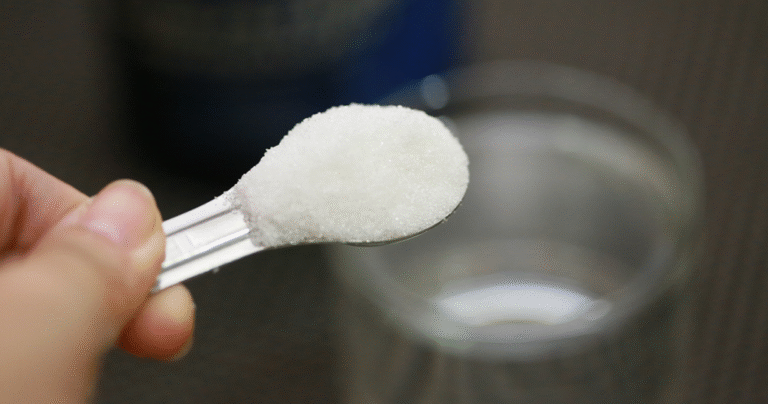
- Standard daily dose: Three to five grams of creatine monohydrate per day is sufficient for most women. This is typically one level teaspoon mixed into water, juice, or a protein shake.
- Loading phase (optional): Taking 20 grams per day split into four doses for the first five to seven days saturates muscle creatine stores faster. After loading, drop to the standard maintenance dose of three to five grams. The loading phase is not necessary. Consistent daily use at the maintenance dose achieves the same saturation over three to four weeks.
- Timing: Creatine timing is less critical than consistency. Taking it post-workout with a meal or shake that contains carbohydrates and protein improves uptake slightly. However, the most important factor is simply taking it every day, including rest days.
- Hydration: Creatine draws water into muscle cells, so adequate daily water intake is important during supplementation. Aim for at least two to three liters of water per day.
- Consistency over cycling: There is no evidence that women need to cycle off creatine. Continuous use maintains elevated muscle creatine stores and sustained performance benefits.
Creatine Price in Pakistan and Choosing the Right Product
One of the most practical advantages of creatine is its affordability. Creatine price in Pakistan makes it one of the most cost-effective supplements available, especially when compared to pre-workouts, protein powders, or fat burners that cost significantly more per serving. A standard tub of pure creatine monohydrate provides anywhere from 60 to 100 servings depending on the size, making the cost per serving extremely low relative to the performance benefit it delivers.
When choosing a creatine product in Pakistan, the form matters. Creatine monohydrate is the gold standard. It is the most researched, most bioavailable, and most affordable form available. Other forms such as creatine HCl, creatine ethyl ester, or buffered creatine are marketed as superior but have not consistently outperformed monohydrate in research. For most women in Pakistan, a pure, unflavored creatine monohydrate from a verified source is the correct choice.
- Look for products with a single ingredient listed: creatine monohydrate. No fillers, no proprietary blends, no undisclosed additives.
- Micronized creatine monohydrate dissolves more easily in water and is gentler on the stomach for those who experience minor digestive discomfort with standard monohydrate.
- Avoid products marketed specifically as female creatine formulas. They typically offer the same ingredient at a higher price with added colorings or sweeteners that add no functional value.
- Always purchase from a verified supplement store to ensure the product is genuine and has not been adulterated during manufacture or transit.
Who Should Be Cautious About Taking Creatine
Creatine is well-tolerated by the vast majority of women who use it correctly. However, there are specific situations where extra caution or medical consultation is appropriate before starting supplementation.
- Pregnant or breastfeeding women should consult a doctor before using creatine. Research on creatine during pregnancy is still developing, and it is better to err on the side of caution during this period.
- Women with pre-existing kidney conditions should speak with a physician first. Creatine does not damage healthy kidneys, but individuals with compromised kidney function process creatine differently and need medical guidance.
- Women taking medications that affect kidney function or hydration should check for interactions before starting creatine supplementation.
Creatine Across Different Life Stages for Women in Pakistan
Creatine is not just a supplement for competitive athletes or gym enthusiasts. The benefits it offers are relevant across several stages of a woman’s life, many of which are underserved by the existing conversation around female supplementation in Pakistan.
For active women in their twenties and thirties, creatine directly enhances training performance and body composition. For women approaching or navigating perimenopause, the combination of resistance training and creatine supplementation has shown promise in preserving muscle mass and bone density at a stage when both begin to decline naturally. For older women, maintaining strength and lean mass through creatine-supported training reduces the risk of falls, fractures, and the loss of functional independence that accelerates with age. The supplement that most people associate with young male bodybuilders is, in fact, one of the most evidence-backed options for women across the full arc of adult life.
Frequently Asked Questions
Will creatine make me look bulky as a woman
No. Women do not have the testosterone levels required to build the kind of muscle mass associated with a bulky physique, regardless of how much creatine they take. What creatine does is improve strength, support lean muscle development, and create a firmer, more defined appearance over time. The initial weight increase of one to two kilograms is intramuscular water, not fat or large muscle mass, and it often makes muscles look more toned rather than larger.
What is the creatine price in Pakistan and is it worth it
Creatine price in Pakistan is among the most affordable in the supplement category. A quality tub of creatine monohydrate provides 60 to 100 servings at a cost per serving that is significantly lower than most other performance supplements. Given the volume of research supporting its effectiveness for strength, recovery, and even cognitive function, creatine offers some of the best value per rupee of any supplement a woman can buy.
Can women take creatine every day without a break
Yes. There is no evidence that women need to cycle off creatine or take breaks from supplementation. Continuous daily use at three to five grams maintains elevated muscle creatine stores and sustains performance benefits without any known adverse effects in healthy individuals. Consistency is more important than cycling for achieving and maintaining the benefits of creatine.
Does creatine affect the menstrual cycle
There is no evidence that creatine supplementation disrupts the menstrual cycle. In fact, emerging research suggests creatine may be particularly beneficial during the luteal phase of the cycle, when energy availability and strength output tend to be lower. Some researchers are exploring whether adjusting creatine intake based on cycle phase could further optimize performance for female athletes, though this area of research is still developing.
Can women take creatine without going to the gym
Creatine provides the most benefit when combined with resistance training or high-intensity exercise because its primary mechanism is improving energy availability during intense physical effort. Without that training stimulus, the performance benefits are not realized. That said, some of the cognitive and health benefits of creatine, including mental clarity and muscle preservation, may be relevant for women who are not currently training, though the supplement will not produce body composition changes without exercise.
Is creatine monohydrate better than other forms for women
Yes, for most women creatine monohydrate is the best choice. It is the most researched form of creatine, consistently shown to be effective across decades of studies, and it is the most affordable option available in Pakistan. Other forms like creatine HCl or buffered creatine are more expensive and have not demonstrated consistently superior results in research. Micronized creatine monohydrate is a good option for women who experience minor stomach discomfort with standard monohydrate, as it dissolves more easily and tends to be gentler on digestion.
