



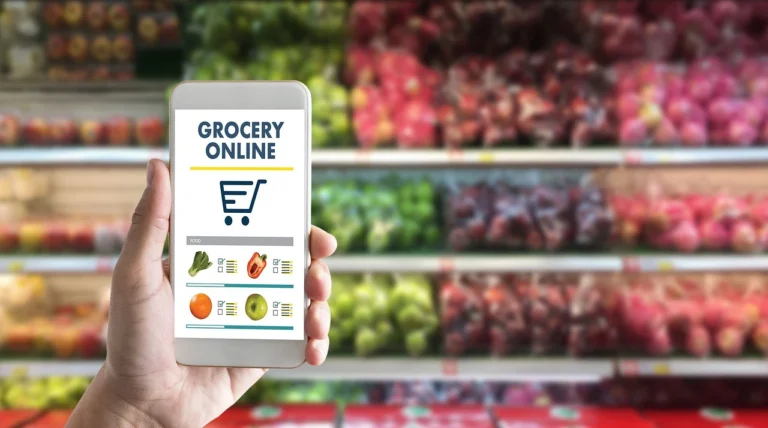
Buying groceries online has moved from being a niche convenience to a normal part of household planning. For many people, it is no longer only something they do when they are short on time. It has become a practical way to manage food shopping, compare prices, discover new products, and avoid the stress of crowded shops. While traditional grocery shopping still has its place, especially for people who enjoy choosing fresh produce in person, online grocery shopping offers clear benefits for busy modern households.
The main advantage is not simply that groceries arrive at the door. The real benefit is control. Online shopping gives people more time to think about what they are buying, check what they already have at home, compare similar products, and build a basket that fits their weekly routine. Instead of walking through aisles and making fast decisions, shoppers can plan meals, review ingredients, remove unnecessary items, and return to their baskets later.
This is why online grocery shopping is especially useful for families, professionals, older people, people without easy access to larger supermarkets, and anyone who wants to make their food shopping more organised.
It Saves Time During the Week
The most obvious benefit of buying groceries online is time saving. A typical supermarket visit involves travelling, parking, walking through aisles, waiting at checkout, packing bags, and carrying everything home. Even a small shop can take longer than expected, especially during busy periods.
Online grocery shopping removes many of these steps. You can add products to your basket throughout the week, place an order when convenient, and choose a delivery slot that fits your schedule. For households with children, this can be a major advantage. Shopping with young children often takes longer, and small distractions can easily turn a simple grocery trip into a tiring task.
It can also help people who work long or irregular hours. Instead of rushing to a supermarket after work, they can order groceries from home in the evening. This does not mean online shopping is always instant, but it often makes the process easier to fit around real life.
It Makes Meal Planning Easier
Online grocery shopping supports better meal planning because the basket is visible before checkout. In a physical shop, it is easy to add items without thinking about how they fit together. Online, shoppers can review the full basket and ask more practical questions: Do I have enough food for the week? Did I buy ingredients for lunches as well as dinners? Am I missing basics like milk, bread, fruit, or cooking oil?
This makes online shopping useful for people who want to reduce food waste. When you can check cupboards, fridge, and freezer while building your order, you are less likely to buy duplicates. You can also plan around ingredients you already have. For example, if you have pasta, rice, or potatoes at home, you may only need sauces, vegetables, cheese, or protein to complete several meals.
Many online supermarkets also allow repeat purchases or saved favourites. This is helpful for regular household items such as breakfast products, pet food, cleaning supplies, drinks, snacks, and lunchbox staples. Instead of searching for the same products every week, shoppers can reorder them quickly and spend more time choosing fresh or seasonal items.
It Helps You Compare Products More Calmly
One of the overlooked benefits of buying groceries online is the ability to compare products without pressure. In a physical supermarket, people often make quick decisions because they are standing in an aisle, other shoppers are nearby, or they simply want to finish the trip. Online, it is easier to compare sizes, ingredients, prices, and product types.
This can help with budgeting. A shopper can compare the cost of different pack sizes, check whether a multipack is actually better value, or remove non-essential items before paying. Online shopping also makes it easier to notice how small purchases add up. Snacks, drinks, sauces, and treats can increase the total basket value quickly, but seeing the full total before checkout encourages more intentional decisions.
It can also support better choices for people with dietary preferences or restrictions. Shoppers can take time to check labels, allergens, ingredients, and nutritional information. This is particularly helpful for households managing gluten-free diets, vegetarian meals, dairy restrictions, nut allergies, or low-sugar preferences.
It Can Reduce Impulse Purchases
Supermarkets are designed to encourage impulse buying. Promotions, end-of-aisle displays, bakery smells, checkout snacks, and seasonal products all influence what people add to their baskets. There is nothing wrong with enjoying an occasional treat, but impulse buying can make grocery bills less predictable.
Online shopping creates a different environment. Shoppers can search for what they need instead of walking past every possible temptation. They can also remove items before checkout if the total is higher than expected. This makes online grocery shopping useful for people who want to follow a budget or avoid buying unnecessary snacks and extras.
Of course, online shops also display offers and recommendations, but the experience is usually easier to control. You can close a page, compare products, or leave the basket and return later. That pause often leads to more thoughtful shopping.
It Gives Access to a Wider Range of Products
Another important advantage is product variety. Local supermarkets are limited by shelf space and local demand. They may not stock many specialist, imported, regional, or culturally specific foods. Online grocery shopping can make it easier to find products that are not available nearby.
This is particularly useful for people who want European groceries, international pantry staples, specific brands, or ingredients linked to family traditions. A shopper looking for French biscuits, Italian breakfast products, German condiments, Spanish snacks, or Eastern European staples may find a wider choice online than in a local supermarket.
Specialist platforms such as EuropaFoodXB online supermarket can be useful examples of how online grocery shopping helps people access a broader range of European foods without needing to visit multiple physical stores. EuropaFoodXB is a UK-based online supermarket focused on European groceries, making it easier for shoppers to find familiar foods, pantry staples, chilled products, snacks, drinks, and household favourites in one place. It is especially useful for customers who want access to a wider selection of European food without visiting several specialist shops. The key benefit here is not just convenience, but availability. For many households, online shopping makes familiar cultural foods and new discoveries easier to access.
It Is Helpful for Heavy and Bulky Items
Carrying groceries can be difficult, especially when buying drinks, tins, flour, rice, cleaning products, or large family packs. Online grocery delivery solves much of this problem by bringing heavy items to the door.
This benefit is especially important for people without a car, people living in flats, older shoppers, disabled shoppers, or anyone who finds carrying heavy bags uncomfortable. Even for households that still shop in person for fresh items, ordering bulky products online can make the weekly routine easier.
For example, a household might buy fresh fruit, vegetables, bread, and meat locally but order drinks, pantry staples, pet food, and cleaning products online. This blended approach gives shoppers flexibility rather than forcing them to choose one shopping method for everything.
It Can Support Better Household Organisation
Buying groceries online can make shopping more organised because everything is recorded. Receipts, order history, favourite products, delivery dates, and basket totals are easy to review. This helps households understand spending patterns and plan future orders more effectively.
For families, shared planning can also become easier. One person can add items during the week while another reviews the basket before checkout. This reduces forgotten items and avoids last-minute messages such as “Can you pick up milk?” or “We forgot lunchbox snacks.”
Online shopping also helps people build routines. A weekly or fortnightly grocery order can become part of household planning, just like paying bills or preparing school lunches. When shopping is organised, meals often become easier too.
It May Help People Discover New Foods
Online grocery shopping is not only about buying the same basics. It can also help people discover new ingredients, cuisines, and meal ideas. Search filters, categories, related products, and recipe inspiration can introduce shoppers to items they might not notice in a physical shop.
For example, someone browsing French pantry staples may discover cornichons, lentils, terrines, mustards, fruit preserves, or ready-made regional dishes. Someone interested in Italian breakfast foods may find biscuits, cakes, rusks, coffee, and spreads. This can make everyday meals more varied without requiring complicated cooking.
The best discoveries are often practical. A new sauce, condiment, biscuit, preserve, or ready meal can change a regular breakfast, lunch, or dinner with very little effort.
It Is Useful for People With Limited Local Options
Not everyone lives near a large supermarket. Rural households, small towns, and neighbourhoods with limited grocery options may not have access to the same product variety as larger cities. Online grocery shopping can reduce this gap.
It can also help people who have recently moved country or live away from family traditions. Food is closely connected to memory, culture, and comfort. Being able to order familiar products online can make a new place feel more like home.
This is one reason specialist online grocery shopping remains valuable even when large supermarket chains offer delivery. Large retailers may cover everyday basics well, but specialist shops often provide deeper ranges in specific food categories.
It Offers Flexibility Rather Than Replacing Stores Completely
A balanced view is important. Online grocery shopping has many benefits, but it is not perfect for every situation. Some shoppers prefer choosing fresh produce themselves. Others may not like delivery fees, minimum order values, product substitutions, or waiting for a delivery slot.
There is also a sensory side to in-store shopping. People enjoy seeing seasonal displays, smelling fresh bread, choosing fruit by hand, or visiting local markets. Online shopping does not replace that experience.
However, it does not have to. Many households use both methods. They may order pantry staples, drinks, and specialist foods online while buying fresh produce locally. This flexible approach often gives the best of both worlds.
Final Thoughts
The benefits of buying groceries online go beyond convenience. Online shopping can save time, improve planning, reduce impulse purchases, support budgeting, provide access to wider product ranges, and make heavy shopping easier. It gives households more control over how they shop and what they buy.
For modern shoppers, the question is not whether online grocery shopping is better than in-store shopping in every way. The better question is how it can fit into everyday life. Used well, online grocery shopping can make food planning simpler, more varied, and less stressful.
