



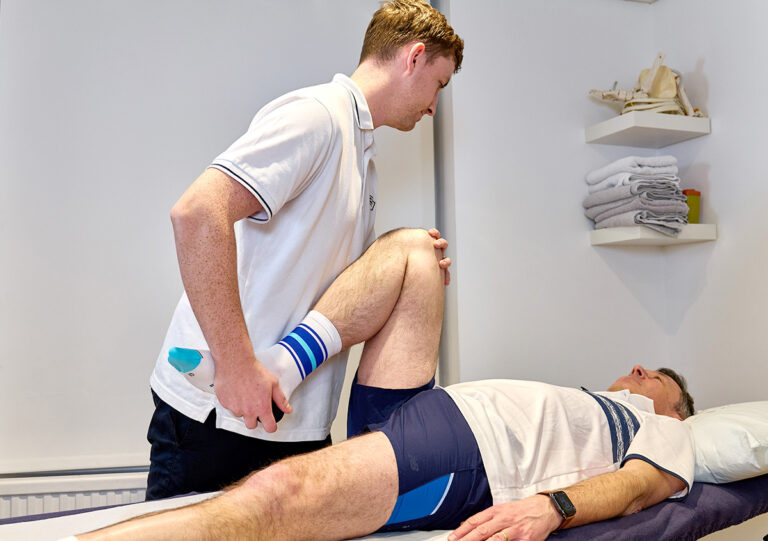
Recovering from an anterior cruciate ligament injury requires careful planning, structured rehabilitation, and professional guidance. Patients seeking ACL injury rehabilitation in London often want a clear understanding of the recovery process, the stages of therapy, and how long it will take to regain full strength and mobility. Knowing what to expect can reduce anxiety, increase commitment to exercises, and improve long-term outcomes. Rehabilitation is a progressive journey designed to restore function, rebuild muscle, and prepare patients to return to daily life or sport with confidence.
Understanding ACL Injuries and Recovery in London
Anterior cruciate ligament tears are common among athletes and active adults, particularly those involved in football, basketball, or high-impact sports. The ACL stabilises the knee joint, controlling forward movement of the shin bone relative to the thigh. A torn ligament can lead to pain, swelling, instability, and reduced mobility. London patients often consult orthopaedic specialists who assess the injury through physical examination and imaging. The severity of the tear and the patient’s activity level determine whether surgery or non-surgical rehabilitation is recommended. Clinics in London follow evidence-based protocols, combining clinical expertise, physiotherapy techniques, and progressive exercises to support optimal recovery.
The Stages of ACL Rehabilitation
Early Stage: Protection and Initial Healing
Immediately following injury or surgical reconstruction, the primary goal is to protect the knee and reduce swelling. Patients may use crutches to limit weight-bearing while ice, elevation, and gentle movements help control inflammation. Physiotherapists guide range of motion exercises that prevent stiffness and promote circulation. This stage focuses on safe mobility and establishing a foundation for subsequent strength work. London physiotherapy clinics provide individualized care, ensuring exercises are adapted to the patient’s tolerance and healing progress.
Regaining Mobility and Range of Motion
Once swelling decreases and pain subsides, rehabilitation emphasises restoring knee motion. Full extension and flexion are essential for preventing long-term restrictions and facilitating proper movement patterns. Physiotherapists guide stretching routines, manual therapy, and controlled exercises to improve flexibility. Home exercise programs supplement clinic visits, enabling patients to practice movements multiple times per day. Specialized facilities in London may include equipment that assists controlled bending and extension, providing effective rehabilitation without overloading the joint.
Strengthening the Knee and Surrounding Muscles
Rebuilding strength is a crucial component of ACL rehabilitation. Quadriceps and hamstrings provide stability and reduce the risk of reinjury. Strengthening begins with low-resistance exercises such as straight leg raises, bridging, and resistance band movements. Progression incorporates closed-chain exercises that mimic functional movements. Balance, proprioception, and coordination drills retrain the nervous system to respond to dynamic activity. Physiotherapy gyms across London offer targeted programs that integrate equipment and techniques to optimize muscle development while minimizing strain.
Functional Retraining for Daily Life
Functional retraining bridges the gap between isolated exercises and real-world activities. Patients practice controlled stepping, landing mechanics, and agility drills to prepare for walking, climbing stairs, and routine movements. Exercises gradually increase in complexity and intensity based on patient performance. Proper alignment, coordination, and balance are closely monitored to prevent setbacks. London-based clinics often provide dedicated spaces for dynamic exercises, allowing therapists to safely simulate daily activities and early sport-specific movements. Many patients choose experienced clinics like CC Physiotherapy for professional guidance and support throughout their rehabilitation.
Return to Sport or High-Impact Activities
The final stage focuses on returning to athletic activity or high-demand tasks. Functional exercises are tailored to mimic the movements and stresses specific to the patient’s sport or profession. Performance assessments, including single-leg hop tests and strength symmetry evaluations, confirm readiness. Successful progression requires both physical strength and psychological confidence, with therapists supporting patients in regaining trust in their knee. Rehabilitation programs in London often integrate collaboration between physiotherapists, sports coaches, and orthopaedic surgeons to ensure safe reintegration into competitive or demanding activities.
Typical ACL Rehabilitation Timeline
Recovery timelines vary based on age, injury severity, surgical approach, and patient adherence. Early healing and initial mobility generally occur in the first two weeks. Strength and independence with exercises typically develop between two and six weeks. Functional retraining increases in intensity from six to twelve weeks. Sport-specific exercises or high-demand activity training generally begins around three months and may continue up to six months or more. Some patients require longer rehabilitation if healing is slower or other factors such as occupation or concurrent injuries impact progress. London clinics focus on tailoring timelines to each patient rather than following rigid schedules.
Choosing the Right ACL Rehabilitation Service in London
Selecting an experienced rehabilitation provider significantly impacts recovery outcomes. Key considerations include clinical expertise, access to specialised equipment, and comprehensive programs. Clinics offering post-operative guidance, supervised physiotherapy sessions, and a combination of strength and functional exercises tend to produce better results. Interdisciplinary teams including orthopaedic surgeons and physiotherapists can monitor progress and adjust treatment plans to match patient goals. Convenient locations near transport hubs in London encourage consistent attendance, improving adherence and outcomes.
Practitioner Expertise and Qualifications
Working with physiotherapists who have advanced training in musculoskeletal and sports rehabilitation is essential. Chartered physiotherapists or clinicians with specialized courses in knee rehabilitation bring knowledge and experience to guide recovery effectively. Patients often benefit from one-on-one sessions, regular assessments, and clear communication regarding exercises, milestones, and expected outcomes.
Patient Support and Home Rehabilitation
Successful ACL rehabilitation extends beyond the clinic. Patients who follow prescribed home exercises, maintain proper nutrition, and get adequate sleep often experience faster and more complete recovery. Maintaining mobility through low-impact activity, stretching, and daily strength routines reinforces progress made during therapy sessions. Psychological readiness is equally important, as confidence in the knee’s ability to handle dynamic movement reduces fear of reinjury and improves performance in daily or athletic activities.
Factors That Affect Recovery Outcomes
Recovery is influenced by multiple factors including age, pre-injury fitness, severity of the ACL tear, and adherence to rehabilitation protocols. Individuals who remain engaged, follow home exercise programs, and communicate regularly with their physiotherapists often experience better outcomes. Clinics in London frequently incorporate modern techniques such as movement analysis, resistance training, and functional exercises that target the specific demands of each patient. A structured and progressive approach ensures that the knee is prepared to handle increasing loads safely and efficiently.
Common Concerns During ACL Rehabilitation
Patients frequently ask if rehabilitation will be painful, how long recovery will take, and whether surgery is always necessary. Discomfort during exercises is common but is managed with progressive loading and careful monitoring by therapists. Recovery time varies but generally ranges from three to six months, with sport-specific activities requiring longer. Surgery is not always required, especially for partial tears or patients with lower activity demands, as structured non-surgical rehabilitation can restore stability and function effectively.
Other common questions include strategies to prevent reinjury, maintain motivation during long rehabilitation periods, and return safely to competitive sport. Maintaining strength, practicing proper mechanics, and gradually increasing intensity reduces reinjury risk. Tracking progress and celebrating milestones helps maintain motivation, ensuring consistent engagement in rehabilitation programs.
Supporting Recovery Through Lifestyle
Lifestyle factors play a key role in successful ACL rehabilitation. Consuming a nutrient-rich diet that supports tissue healing, prioritizing sleep to aid recovery, and managing stress contribute to improved outcomes. Patients who integrate supportive habits such as regular low-impact movement, stretching routines, and mindful physical activity maintain strength and flexibility beyond structured physiotherapy sessions. London-based rehabilitation programs encourage a holistic approach, combining clinical guidance with self-management strategies for optimal long-term results.
Evidence-Based Benefits of Structured ACL Rehabilitation
Structured ACL rehabilitation improves strength, mobility, and functional performance while reducing the risk of future injuries. Programs that prioritize progressive loading, functional retraining, and movement quality demonstrate better long-term knee health. Patients who consistently follow structured protocols regain confidence in their knee and achieve higher levels of performance in daily life, work, and sport. Personalized care plans provided by London physiotherapy clinics ensure that therapy adapts to individual progress and specific recovery goals.
Frequently Asked Questions
How long does ACL rehabilitation usually take? Recovery varies by patient but typically ranges from three to six months for normal activities. Sport-specific recovery may take longer depending on strength, stability, and functional assessments.
Is physical therapy painful during ACL rehab? Some discomfort is normal but exercises are guided to remain within safe limits. Gradual progression reduces pain while supporting healing and strengthening the knee.
Do all ACL injuries require surgery? Surgery depends on tear severity, activity level, and patient goals. Non-surgical rehabilitation can be effective for partial tears or lower-impact activity levels, restoring stability and function.
Can I prevent future ACL injuries after rehab? Maintaining strength, balance, and proper movement mechanics is essential. Continued conditioning and adherence to exercises learned during rehabilitation reduce the risk of reinjury and support long-term knee health.
