



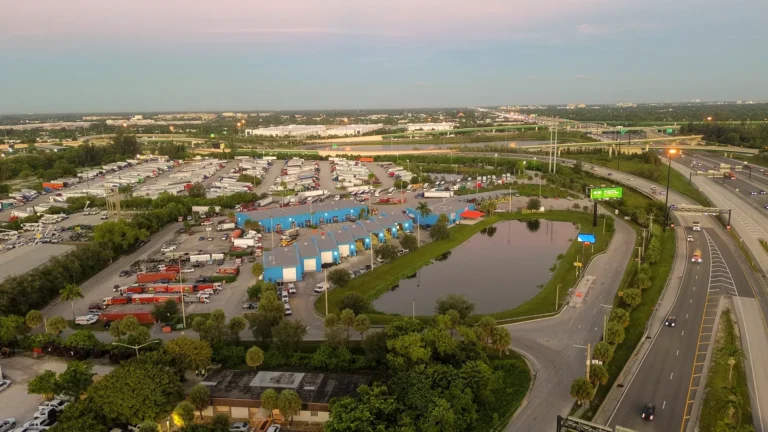
A travel center is more than just a roadside stop; it is a fully developed service hub designed to support long-distance travelers, commercial drivers, and road transport operations. These facilities combine fuel stations, restaurants, rest areas, vehicle services, and retail stores in a single location, making them essential infrastructure for highways and major transport routes. In today’s fast-moving logistics and travel environment, a well-designed Travel center plays a crucial role in improving comfort, safety, and efficiency for both individual travelers and professional drivers.As transportation networks expand and long-haul travel becomes more common, travel centers have evolved from simple fuel stops into multifunctional complexes that support a wide range of needs.
Understanding the Purpose of a Travel Center
The primary purpose of a travel center is to provide a convenient and safe stop for people traveling long distances. Unlike basic gas stations, travel centers are designed to accommodate heavy traffic, including passenger vehicles, buses, and commercial trucks.These centers typically offer fuel services, parking space, food options, restrooms, showers, and relaxation areas. Many also include maintenance services such as tire repair, oil changes, and vehicle inspections.For truck drivers especially, travel centers serve as essential rest points where they can comply with driving-hour regulations, take breaks, and recover from long hours on the road. This makes them a critical part of the transportation ecosystem.
Fuel Services and Vehicle Support
One of the most important features of any travel center is fuel availability. Most centers offer multiple fuel pumps designed to handle both light vehicles and heavy-duty trucks efficiently.Commercial-grade diesel pumps are often included to support freight transportation. Some modern travel centers also provide alternative fuel options such as compressed natural gas or electric vehicle charging stations.In addition to fueling, many centers offer basic vehicle services. These may include tire inflation, windshield cleaning, oil top-ups, and minor mechanical assistance.These services ensure that vehicles remain in good condition during long journeys and reduce the risk of breakdowns on highways.
Food and Dining Options
Food services are a central part of any modern travel center. Unlike traditional roadside stops, these facilities often include full-service restaurants, fast-food chains, coffee shops, and convenience stores.Travelers can access a wide range of meal options, from quick snacks to full meals. This variety is especially important for long-distance drivers who require balanced nutrition during extended trips.Clean and comfortable dining areas allow travelers to rest and recharge before continuing their journey. The availability of fresh food and beverages significantly improves travel comfort and satisfaction.
Rest and Comfort Facilities
Rest areas within travel centers are designed to help travelers recover from long hours on the road. These may include seating areas, lounges, sleeping pods, and in some cases, hotel accommodations.Clean restrooms and shower facilities are particularly important for commercial drivers who spend days or weeks traveling. These amenities help maintain hygiene and reduce fatigue.Parking areas are also a key feature. Travel centers typically provide large parking spaces for both cars and trucks, ensuring safe and organized vehicle storage during rest periods.Comfort-focused design is a major part of Travel center development, improving overall travel experience and road safety.
Safety and Security Features
Safety is a top priority in travel center design. These facilities often operate 24/7 and include surveillance systems, security personnel, and well-lit environments to ensure traveler safety.Secure parking areas help protect vehicles and cargo from theft or damage. Emergency assistance services are also commonly available, including first aid stations and roadside support.Clear signage, organized layouts, and controlled traffic flow within the center reduce the risk of accidents and improve navigation for large vehicles.These safety measures make travel centers reliable stops for both individual travelers and commercial transport operators.
Role in Commercial Transportation
Travel centers are especially important for the trucking and logistics industry. Long-haul drivers depend on these facilities to meet legal rest requirements and maintain safe driving practices.Fleet operators often plan routes based on the availability of reliable travel centers along highways. This ensures that drivers can rest, refuel, and perform vehicle checks without delays.In many cases, Travel center locations act as informal logistics hubs where drivers coordinate deliveries, exchange information, and manage schedules.Their role in supporting supply chains makes them a critical part of modern transportation infrastructure.
Retail and Convenience Services
In addition to fuel and food, travel centers often include retail shops that sell travel essentials such as snacks, beverages, hygiene products, vehicle accessories, and emergency supplies.These convenience stores are designed to meet the immediate needs of travelers who may not have access to nearby towns or cities during their journey.Some travel centers also include specialty services such as ATM machines, phone charging stations, and Wi-Fi connectivity, enhancing overall convenience.
Technology Integration in Modern Travel Centers
Modern travel centers are increasingly incorporating technology to improve efficiency and user experience. Digital payment systems, mobile apps, and automated fuel pumps make transactions faster and more convenient.Real-time parking availability systems help drivers locate open spaces quickly, reducing congestion and waiting time.Electric vehicle charging stations are becoming more common as transportation shifts toward sustainable energy solutions.Smart infrastructure is transforming traditional travel centers into advanced service hubs that cater to modern mobility needs.
Environmental Considerations
Environmental sustainability is becoming a key focus in travel center development. Many facilities are adopting eco-friendly practices such as energy-efficient lighting, waste recycling programs, and water conservation systems.Electric vehicle charging stations help reduce carbon emissions by supporting cleaner transportation options.Some travel centers also incorporate green landscaping and sustainable building materials to minimize environmental impact.These efforts contribute to more responsible and future-ready Travel center infrastructure.
Economic Importance of Travel Centers
Travel centers contribute significantly to local and regional economies. They create employment opportunities in food service, retail, maintenance, and security sectors.They also support surrounding businesses by increasing traffic flow in nearby areas. In rural or highway regions, travel centers often become major economic hubs.For logistics companies, these facilities reduce operational delays and improve efficiency, which has a positive impact on overall supply chain performance.
Common Challenges Faced by Travel Centers
Despite their importance, travel centers face several challenges. High operating costs, especially for 24-hour services, can impact profitability.Maintaining cleanliness and service quality is another ongoing challenge, particularly in high-traffic locations.Managing space for both passenger vehicles and large trucks requires careful planning to avoid congestion.Security and safety management also require continuous investment to ensure traveler protection.
Future Trends in Travel Center Development
The future of travel centers is closely linked to changes in transportation technology and consumer expectations. Electric vehicle adoption will continue to drive the expansion of charging infrastructure.Automation and digital services will make travel centers more efficient, with features like automated parking systems and app-based service reservations.There is also a growing trend toward integrating hospitality services such as hotels, fitness areas, and entertainment zones within travel centers.These developments are transforming Travel center facilities into full-service mobility hubs rather than simple rest stops.
Conclusion: The Essential Role of Travel Centers in Modern Mobility
Travel centers are a vital part of modern transportation systems, offering fuel, food, rest, safety, and convenience in a single location. They support both individual travelers and commercial drivers by ensuring comfort, efficiency, and compliance with road regulations.As transportation continues to evolve, travel centers are becoming more advanced, sustainable, and technology-driven. Their role in supporting logistics, reducing travel fatigue, and improving road safety makes them an indispensable part of highway infrastructure.A well-designed Travel center not only enhances the travel experience but also strengthens the overall efficiency of transportation networks, making long-distance travel safer and more reliable for everyone.
