



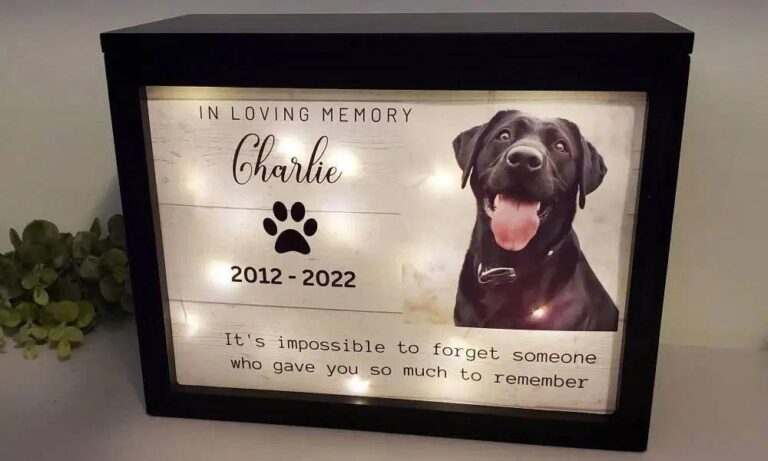
Pet cremation is one of the most common ways to say goodbye to a beloved animal after death. For many families, a dog, cat, rabbit, bird, or other companion is not «just a pet», but a real member of the household, so the decision about aftercare becomes deeply personal. Some people also explore wider memorial practices, including stones made from human ashes, because they want to understand how remembrance can take a lasting, physical form. In the case of pets, cremation offers a respectful, practical, and flexible option that allows owners to keep ashes, scatter them in a meaningful place, or choose another form of memorial.
What is pet cremation?
Pet cremation https://www.spogads.com/pets is the process of reducing the body of a deceased animal to ashes through controlled high-temperature treatment in a specialized cremation chamber. The process is carried out by a pet crematorium or a veterinary aftercare provider that works with such facilities. After cremation, the remains are processed into fine ashes and, depending on the chosen service, may be returned to the owner in an urn, container, keepsake box, or memorial item.
This option is often chosen by people who want a clear and dignified alternative to burial. Not every family has access to private land, and not every local area allows animal burial in gardens or public spaces. Cremation removes many of these practical difficulties while still giving the owner a personal way to preserve the memory of the animal.
Pet cremation may be arranged directly with a crematorium or through a veterinary clinic. In many cases, the veterinary team can explain the available choices, help with documentation, and transfer the animal to the cremation provider. Owners can also contact crematoriums themselves if they want to compare services, ask about identification procedures, or choose a specific type of memorial.
Main types of pet cremation
Before choosing a pet cremation service, it is important to understand how different options work. The main difference is whether the animal is cremated separately, whether the ashes are returned to the owner, and how much control the family has over the memorial process.
Individual cremation
Individual cremation means that one pet is cremated separately, and the ashes returned to the owner belong only to that animal. This is usually the preferred option for families who want to keep the ashes at home, place them in a memorial urn, bury them in a private location, or use them in another remembrance item.
A reputable provider should be able to explain how the pet is identified throughout the process. This may include tags, tracking numbers, documentation, or other internal control systems. Such details matter because the owner needs confidence that the ashes they receive are truly connected with their companion.
Communal cremation
Communal cremation means that several animals are cremated together. In this case, ashes are not returned to individual owners. They may be scattered or buried by the crematorium in a designated memorial area, depending on the provider’s policy. This option is usually less expensive than individual cremation and may suit owners who do not need the ashes returned.
Communal cremation can still be respectful, but it serves a different emotional purpose. It is mainly an aftercare solution rather than a personal memorial option. Before choosing it, owners should understand that they will not receive their pet’s ashes afterwards.
Partitioned or separated cremation
Some providers offer a middle option often called partitioned, separated, or semi-private cremation. In this case, several animals may be cremated during the same cycle, but they are placed in separate areas of the chamber. The goal is to keep remains as separate as possible while reducing cost compared with a fully individual service.
This option should be discussed carefully with the provider. Different crematoriums may use different terminology, and the level of separation can vary. Owners who want full certainty that only their pet’s ashes will be returned should usually choose individual cremation instead.
How the pet cremation process usually works
The process often begins at a veterinary clinic or directly with a crematorium. After the animal passes away, the owner chooses the type of cremation and any additional memorial products. The pet is then prepared for transfer, identified according to the provider’s procedure, and taken to the cremation facility.
At the crematorium, the body is placed in a cremation chamber designed for animals. The process takes place under controlled conditions and is managed by trained staff. After the cremation is complete and the chamber has cooled, the remaining bone fragments are carefully collected and processed into ashes. These ashes are then placed into the chosen container or urn.
The time between arranging cremation and receiving the ashes can vary. It may depend on the provider, the type of cremation, the size of the animal, the selected urn, and local workload. A reliable crematorium should give a clear estimate and explain whether the ashes will be collected in person, delivered to the veterinary clinic, or sent directly to the owner.
Why families choose cremation for pets?
The main reason many owners choose pet cremation is the desire for a respectful farewell. Losing an animal can be emotionally intense, especially when the pet has been part of daily life for many years. Cremation gives the family a defined process at a moment when practical decisions may feel difficult.
Another reason is flexibility. Ashes can be kept at home, placed in a decorative urn, buried under a tree, scattered in a private and permitted location, or incorporated into a memorial object. This flexibility is important because every owner experiences grief differently. Some people want a visible reminder, while others prefer a quieter and more symbolic form of remembrance.
Practical considerations also matter. Burial may not be possible for people living in apartments, rented homes, or urban areas. There may also be local rules about burying animals, especially larger pets. Cremation avoids many of these restrictions and gives owners a solution that can be arranged through professional services.
Choosing a pet cremation provider
Choosing the right provider is important because pet cremation involves trust. The owner is handing over the body of an animal they loved, so the process should be transparent, calm, and respectful. A good provider should answer questions clearly and avoid vague promises.
Before making a decision, it is worth checking what type of cremation is offered, whether ashes are returned, how the animal is identified, what containers are available, and whether the crematorium works directly with owners or only through veterinary clinics. It is also useful to ask whether the service includes collection, documentation, certificates, or delivery of ashes.
Price should not be the only factor. A lower cost may reflect a communal service, a basic container, or fewer options for personalization. This does not automatically mean the service is poor, but the owner should understand exactly what is included. Clear communication is more important than attractive wording.
Memorial options after pet cremation
After cremation, many owners choose to keep the ashes in a simple urn or box. Some prefer discreet designs that blend naturally into the home, while others choose decorative urns with the pet’s name, photo, dates, or a short message. The right choice depends on how visible the memorial should be in everyday life.
Another option is scattering the ashes in a meaningful place. This might be a private garden, a favorite walking route, or another location associated with happy memories. Before scattering ashes outdoors, owners should check local rules and make sure the location is appropriate and permitted.
Some families choose keepsake jewellery, paw print frames, photo memorials, engraved plaques, or small containers that hold only a portion of the ashes. These options can be helpful when several family members want a personal keepsake. They also allow the memory of the pet to remain close without requiring a large urn or formal memorial space.
Pet cremation and emotional closure
For many owners, cremation is not only a practical service but also part of the grieving process. It creates a moment of transition between the shock of loss and the beginning of remembrance. Having a clear aftercare plan may reduce confusion and help the family feel that the animal was treated with dignity.
The return of ashes can also become an important emotional step. Some people feel comfort when their pet is «back home» in some form. Others may find it difficult at first but later appreciate having a tangible reminder. There is no single correct reaction. Grief after losing a pet is real, and people respond to it in different ways.
Children may also need a gentle explanation of what cremation means. It is usually better to use simple, honest language rather than confusing metaphors. The explanation should match the child’s age and emotional maturity. A small ritual, drawing, photo album, or memory box can help children understand that saying goodbye does not mean forgetting.
Common questions about pet cremation
Can any pet be cremated?
Most pet crematoriums can handle common companion animals such as dogs, cats, rabbits, guinea pigs, hamsters, birds, and sometimes reptiles. Larger animals may require special arrangements. The exact possibilities depend on the crematorium’s equipment, local regulations, and internal policy.
Will I receive only my pet’s ashes?
This depends on the type of cremation selected. With individual cremation, the ashes returned should belong only to one animal. With communal cremation, ashes are not returned. With partitioned cremation, the level of separation depends on the provider. Owners should ask for a clear explanation before confirming the service.
Is pet cremation better than burial?
Neither option is universally better. Cremation is often more practical for people who cannot bury an animal legally or safely. Burial may feel more natural for owners who have private land and want a fixed memorial place. The best choice depends on emotional needs, local rules, available space, and the owner’s personal values.
What can be done with pet ashes?
Pet ashes can be kept in an urn, buried, scattered where permitted, divided among family members, or placed in keepsake items. Some owners keep the ashes permanently, while others choose to scatter them after some time. The decision does not need to follow a strict rule. It should support the family’s own way of remembering the animal.
How to prepare for the decision?
Thinking about pet cremation before the final moment can be emotionally uncomfortable, but it may help reduce pressure later. When an animal is elderly, seriously ill, or receiving end-of-life care, owners may want to ask the veterinary clinic about available aftercare options in advance. This does not mean giving up. It means preparing for a difficult situation with care.
It is useful to decide whether ashes should be returned, what budget is reasonable, whether the family wants an urn or simple container, and who should be involved in the decision. In households with several people, discussing these points early can prevent misunderstanding during a painful moment.
Owners should also keep in mind that there is no need to choose an elaborate memorial to prove love for a pet. A simple urn, a framed photo, a planted tree, or a quiet private ritual can be just as meaningful as a more expensive option. The value of remembrance comes from the relationship, not from the price of the memorial.
Conclusion
Pet cremation is a respectful and practical way to handle the remains of a beloved animal after death. It gives owners several choices: individual cremation with ashes returned, communal cremation without ashes returned, or other service models depending on the provider. The right option depends on emotional needs, budget, local rules, and the family’s preferred way of remembering the pet.
The most important step is to choose a clear and trustworthy provider, understand the difference between cremation types, and decide what kind of memorial feels appropriate. Whether the ashes are kept at home, scattered in a meaningful place, or placed in a small keepsake, cremation can help turn a painful farewell into a calm and lasting act of remembrance.
