



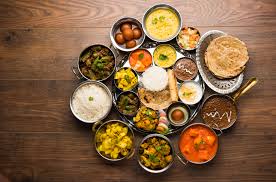
India may share one national identity, yet its food traditions can feel worlds apart from one another. In fact, many foreign tourists arrive expecting one standard version of Indian cuisine, only to discover two dramatically different culinary experiences across the north and the south. The breads change, the spices shift, the cooking oils vary, and even the condiments on the table tell a completely different story.
North Indian food usually feels richer, creamier, and heavier. Meanwhile, South Indian food often tastes lighter, tangier, and more rice-focused. Even then, neither cuisine replaces the other because both represent different climates, histories, ingredients, and cultural influences within India itself.
So, if you plan to travel across the country, this guide will help you understand exactly what separates North Indian food from South Indian food, along with the dishes and flavors you absolutely should not miss.
First Bites
For travelers with strong wanderlust, Indian food quickly becomes part of the adventure rather than just a daily necessity. However, many tourists notice the differences between northern and southern cuisine almost immediately after landing in different cities.
In North India, wheat dominates many meals. Therefore, breads like naan, roti, paratha, and kulcha appear constantly beside curries and grilled dishes. South India, by contrast, relies much more heavily on rice. Consequently, meals often include dosa, idli, rice cakes, rice bowls, and lentil-based preparations.
Climate also shapes these cuisines in major ways. Northern winters encourage richer gravies, dairy-heavy dishes, and slow-cooked meals. Southern regions, meanwhile, deal with warmer coastal weather, so many dishes feel lighter, sharper, and easier to digest.
Even the cooking mediums differ. North Indian kitchens often use ghee, butter, and cream, whereas South Indian recipes frequently include coconut oil, curry leaves, tamarind, and mustard seeds.
Northern Taste
North Indian cuisine feels bold, comforting, and deeply aromatic. Mughal influences, especially in cities like Delhi and Lucknow, helped shape many famous dishes that tourists now recognize worldwide.
Thick gravies, charcoal cooking, dairy products, and roasted spices define much of the northern food scene. In addition, tandoor cooking plays a huge role across the region. Restaurants cook breads, meats, and vegetables inside clay ovens that create smoky texture and crisp edges.
Some of the most famous North Indian dishes include:
- Butter Chicken
- Dal Makhani
- Rogan Josh
- Chole Bhature
- Paneer Butter Masala
- Tandoori Chicken
- Rajma Chawal
Besides the main dishes, North Indian condiments deserve attention too. Mint chutney adds freshness, mango pickle contributes sharp sourness, sliced onions provide crunch, and cooling cucumber raita balances spicy curries rather nicely.
Furthermore, North Indian desserts often feel rich and indulgent. Gulab Jamun, Jalebi, Rasmalai, and Gajar Halwa remain popular among tourists who enjoy sweeter endings after spicy meals.
Southern Taste
South Indian cuisine introduces a completely different side of Indian food culture. Although many foreign visitors initially expect heavy curries everywhere, southern meals often surprise them with lighter textures and brighter flavors.
Rice forms the foundation of many dishes here. Moreover, fermentation plays an important role in several staple foods. Dosa batter, for instance, ferments overnight before chefs cook it into thin crispy crepes.
South Indian food also relies heavily on coconut, tamarind, black pepper, curry leaves, lentils, and mustard seeds. As a result, flavors often feel tangy, earthy, spicy, and refreshing all at once.
Popular South Indian dishes include:
- Masala Dosa
- Idli
- Uttapam
- Sambar Rice
- Appam
- Hyderabadi Biryani
- Chettinad Chicken
The condiments change significantly as well. Coconut chutney appears alongside many breakfast dishes, tomato chutney adds mild sweetness and acidity, while gunpowder spice mix delivers dry heat with nutty flavor.
Additionally, South Indian coffee culture stands out strongly. Filter coffee, especially in Tamil Nadu and Karnataka, has almost become a ritual rather than a simple beverage.
Spice Debate
One of the biggest misconceptions about Indian food concerns spice levels. Many tourists assume all Indian dishes burn intensely, yet the reality feels far more nuanced.
North Indian cuisine often emphasizes warm spices and creamy richness rather than pure chili heat. Butter, cream, yogurt, and nuts soften many gravies quite noticeably. Therefore, dishes may taste flavorful without becoming painfully spicy.
South Indian food, meanwhile, can sometimes feel sharper and hotter because certain regions use more chilies and black pepper. Andhra cuisine, for example, carries a strong reputation for heat. Even so, spice levels vary greatly between restaurants and households.
Importantly, Indian cuisine focuses on layered flavor instead of simple heat. Cumin, coriander, turmeric, fennel, cloves, cardamom, cinnamon, and fenugreek all contribute complexity beyond spiciness alone.
Most tourist-friendly restaurants also adjust spice levels upon request. Consequently, travelers can comfortably explore both cuisines without fear.
Street Meals
Street food reveals another major contrast between North and South Indian cuisine. In fact, many tourists discover their favorite meals from roadside vendors rather than luxury restaurants.
Northern street food usually feels fried, tangy, and snack-heavy. Chaat, golgappa, kebabs, samosas, and kathi rolls dominate many northern markets. These dishes often combine yogurt, chutneys, herbs, spices, and crunchy textures in one bite.
Southern street food, by comparison, frequently revolves around rice batter preparations and savory snacks. Travelers often encounter mini idlis, medu vada, dosa stalls, paniyaram, and banana chips across southern cities.
Even during budget travel, tourists can eat remarkably well throughout India without spending heavily. Small eateries and local food stalls often provide fresh meals at extremely affordable prices. Still, busy vendors with high customer turnover usually offer the safest options.
Sweet Notes
Desserts and drinks also highlight the contrast between North and South Indian cuisine.
North Indian sweets commonly rely on milk solids, sugar syrup, nuts, and clarified butter. Therefore, many desserts taste rich, creamy, and dense. Kulfi, Rasmalai, Gulab Jamun, and Rabri remain extremely popular among visitors.
South Indian desserts, meanwhile, often include coconut, jaggery, rice flour, lentils, and cardamom. Payasam, Mysore Pak, Kesari, and sweet Pongal each bring entirely different textures and sweetness profiles.
Drinks differ too. Northern chai usually tastes creamy and heavily spiced, whereas South Indian filter coffee feels smoother, stronger, and less sweet.
Final Thoughts
North Indian food and South Indian food may belong to the same country, yet they deliver entirely different dining experiences. One leans toward creamy curries, breads, grilled dishes, and dairy-rich flavors. The other highlights rice, coconut, tanginess, fermentation, and lighter textures.
Still, choosing one over the other misses the point completely.
The real beauty of Indian cuisine lies in its diversity. A tourist can enjoy buttery naan and smoky kebabs in Delhi one day, then sit down for crispy dosa and coconut chutney in Chennai the next morning. Both experiences feel authentic, memorable, and deeply connected to their regions.
And honestly, that contrast often becomes the most unforgettable part of traveling through India.
