



The luxury watch industry is experiencing one of its most significant shifts in decades. For years, purchasing a new watch from an authorized retailer was considered the traditional path into luxury ownership. Today, however, a growing share of consumers are entering the market through pre owned channels.
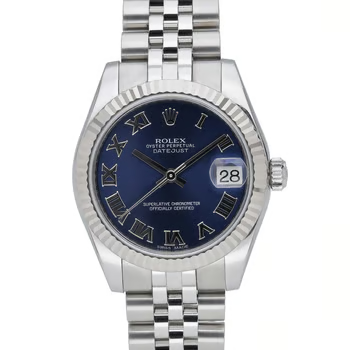
Industry reports suggest that the global pre owned luxury watch market is expanding rapidly, with some forecasts estimating that it could rival or exceed the size of the primary market within the coming years. This evolution is changing how consumers think about ownership, accessibility, and long term purchasing decisions. Among the models frequently discussed within this conversation are used rolex datejust watches, which continue to attract interest across multiple generations of buyers.
Why the Secondary Market Is Growing
There are various reasons why the pre-owned category is growing.
Firstly, there is a higher level of confidence among consumers regarding the online buying of luxury items. More transparency, authentication services, and professional resale sites have enhanced levels of trust across the board.
Secondly, consumers today have much more information at their disposal than people in the past did. History prices, owner histories, and third party reviews mean that consumers can make more educated decisions.
These changes have eliminated some barriers that previously discouraged consumers from entering this market.
The Rise of Certified Programs
One of the latest trends that have evolved within the recent past is the development of certified pre owned programs.
There has been a growing realization by both major brands as well as their authorized dealers that customers seek assurance when buying pre owned goods.
This trend is quite similar to what has happened in many other sectors, especially the automobile industry, where certified pre owned programs have managed to increase customer confidence.
As these programs continue to evolve, it may even become less important whether one is buying pre-owned or new products.
Changing Attitudes Toward Ownership
Possibly, the most significant factor may be psychological rather than business related.
Buyers are becoming more accepting of the concept that buying does not have to start from the moment of production. In a variety of product lines, pre owned products are now seen as options rather than as last resorts.
Pre-owned luxury watches are easily integrated into this trend since they are made to last a lifetime.
In contrast to other consumer goods, a properly taken care of watch will keep functioning generation after generation.
Why Certain Models Remain Consistently Relevant
Not all products can do equally well in the secondary market.
Some product lines gain sudden popularity and then lose their appeal. Others manage to remain interesting since they appeal to a wider audience and easily change with trends.
This partly explains the continued relevance of pre owned Rolex datejust watches in discussions around second hand luxury watches. They benefit from widespread acknowledgment, versatility, and longevity in the world of watches.
These factors ensure that they stay interesting despite the changes in the market.
Looking Ahead
Analysts expect the secondary luxury market to continue expanding as younger buyers become a larger force within the industry.
Digital platforms, authentication technology, and changing consumer attitudes are creating an environment where pre owned ownership feels increasingly mainstream. As a result, more consumers are likely to explore secondary markets as part of their purchasing journey.
The watch industry is adapting accordingly, recognizing that the future of luxury ownership will involve far more than traditional retail channels alone.
Final Thoughts
The growth of certified pre owned programs and secondary luxury markets reflects broader changes in consumer behavior. Buyers are becoming more informed, more confident, and more open to alternative ownership paths.
As these trends continue to reshape the industry, the distinction between new and pre owned products may become less important than the quality, transparency, and trust that support the ownership experience itself.
