



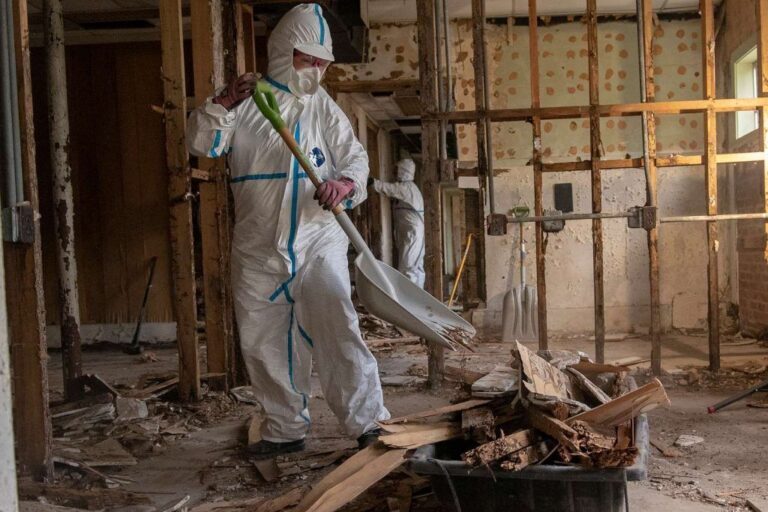
Introduction to Fire Damage Restoration and Its Importance
Fire incidents are among the most devastating events a property can experience because they cause immediate structural destruction, long-term smoke damage, and hidden safety risks that often persist even after the flames are extinguished. Fire damage restoration is the specialized process of cleaning, repairing, and rebuilding properties affected by fire, smoke, soot, and water used during firefighting efforts. It is not limited to visible repairs but also includes odor removal, air quality restoration, structural stabilization, and complete recovery of the affected space.
The importance of fire damage restoration lies in its ability to prevent further deterioration and ensure the safety of occupants. After a fire, buildings often contain weakened structures, toxic residues, and water damage that can worsen over time if not handled properly. Professional restoration ensures that the property is not only repaired but also made safe for future use.
Immediate Steps After Fire Damage Occurs
The first few hours after a fire are critical because they determine the extent of damage recovery. Once the fire is extinguished and authorities declare the property safe to enter, initial assessment and stabilization begin. Restoration teams evaluate structural integrity, identify hazardous areas, and prevent further collapse or deterioration.
One of the first priorities is securing the property to prevent unauthorized entry and protect it from weather exposure. Boarding up windows, covering damaged roofs, and controlling water intrusion from firefighting efforts are essential steps. Quick response helps reduce secondary damage and improves the chances of salvaging materials and belongings.
Common Causes and Types of Fire Damage
Fire damage can result from various sources, and each type requires a different restoration approach.
Structural Fire Damage
This occurs when flames directly affect building materials such as wood, steel, drywall, and concrete. High temperatures can weaken structural integrity, making immediate inspection and reinforcement necessary.Even areas not directly touched by fire can suffer severe damage from smoke and soot. These particles penetrate walls, furniture, and ventilation systems, leaving behind stains, odors, and corrosive residues.
Water Damage from Firefighting Efforts
Water used to extinguish fires often causes additional damage to flooring, electrical systems, and structural components. This makes fire damage restoration a combined process of both fire and water recovery.Electrical wiring, appliances, and HVAC systems are often compromised during fire incidents and may require complete replacement or rewiring.
Step-by-Step Fire Damage Restoration Process
Fire damage restoration follows a structured process to ensure complete recovery and safety.
Professionals evaluate the entire property to determine the extent of fire, smoke, soot, and water damage. This includes identifying unsafe areas and creating a restoration plan.To prevent further damage, the property is secured using temporary supports, roof tarping, and board-up services. This step also protects against weather exposure and theft.Since firefighting efforts often leave behind significant water damage, extraction and drying are performed using industrial equipment to prevent mold growth and structural weakening.Specialized cleaning techniques are used to remove soot from surfaces, walls, ceilings, and personal belongings. Air scrubbers and filtration systems help eliminate airborne particles.Smoke odor can linger long after visible damage is repaired. Advanced deodorization methods such as ozone treatment and thermal fogging are used to restore indoor air quality.Furniture, documents, and personal items are cleaned, restored, or replaced depending on the level of damage.The final stage involves repairing or rebuilding damaged parts of the structure, including walls, flooring, roofing, and electrical systems.
Importance of Professional Fire Damage Restoration Services
Fire damage restoration is a complex process that requires technical expertise, specialized equipment, and safety knowledge. Attempting to handle fire damage without professional assistance can lead to incomplete cleanup, health risks, and further structural issues.Professional restoration teams understand how to handle hazardous materials, detect hidden damage, and restore properties safely. They also ensure compliance with building codes and safety regulations, which is essential for long-term structural integrity.In addition, professionals often assist with insurance documentation, helping property owners navigate claims and receive proper compensation for damages.
Health Risks Associated with Fire Damage
Fire damage creates several health hazards that can persist long after the fire is extinguished. Smoke contains toxic chemicals that can irritate the respiratory system and cause long-term health issues if inhaled.Soot particles can settle on surfaces and become airborne again, leading to poor indoor air quality. Water used during firefighting can also promote mold growth if not properly dried and treated.Professional fire damage restoration ensures that all contaminants are removed, creating a safe and healthy environment for occupants.
Technology Used in Fire Damage Restoration
Modern restoration processes rely heavily on advanced technology to improve efficiency and accuracyThese devices help detect hidden heat damage and structural weaknesses that are not visible to the naked eye.These systems remove smoke particles, soot, and contaminants from the air, improving indoor air quality.Used to eliminate persistent smoke odors by breaking down odor-causing molecules.These tools identify hidden water damage caused by firefighting efforts, ensuring complete drying of affected areas.
Challenges in Fire Damage Restoration
Fire damage restoration is a highly complex process due to the combined effects of heat, smoke, soot, and water. One of the biggest challenges is identifying hidden damage that may not be immediately visible.Smoke can penetrate deep into building materials, making odor removal difficult. Structural instability is another challenge, as high temperatures can weaken load-bearing elements. Time sensitivity is also critical because delays can lead to further deterioration and increased repair costs.While fire damage restoration is essential after an incident, prevention plays a key role in reducing risks.Regular electrical inspections help identify faulty wiring before it becomes a hazard. Proper storage of flammable materials reduces the chances of accidental fires. Smoke detectors and fire alarm systems provide early warnings that can prevent major damage.Fire safety training and emergency preparedness also play an important role in minimizing risk and ensuring quick response during emergencies.
Cost Factors in Fire Damage Restoration
The cost of fire damage restoration depends on several factors, including the extent of damage, size of the property, type of materials affected, and level of reconstruction required.Minor smoke damage restoration is less expensive, while severe structural fire damage requiring full reconstruction can be significantly costly. Additional expenses may include temporary housing, specialized cleaning, and electrical system replacement.Timely response can significantly reduce overall costs by preventing secondary damage.Most property insurance policies cover fire damage, including structural repairs, content replacement, and temporary living expenses. Proper documentation is essential for successful claims.Restoration professionals often assist by providing detailed reports, photographs, and cost estimates, making it easier for property owners to work with insurance providers and receive fair compensation.
Conclusion
Fire damage restoration is a critical process that ensures the safe recovery of properties affected by fire, smoke, soot, and water damage. It involves careful assessment, specialized cleaning, structural repair, and complete rebuilding to restore both safety and functionality.Professional expertise, advanced technology, and timely action are essential for successful restoration. By addressing both visible and hidden damage, fire damage restoration helps property owners recover efficiently and rebuild with confidence, ensuring long-term safety and stability.
