



A Permanent Change of Station move can be exciting, but it is rarely simple. Service members often have to manage orders, reporting dates, household goods, temporary lodging, family travel, pets, school transitions, and a new duty station—all within a fixed timeline.
Vehicle logistics can become one more major decision. For shorter moves, driving may be easy. For cross-country assignments, multiple vehicles, tight reporting dates, or a family move, shipping can be a practical alternative. Many service members begin comparing Navi’s military car shipping options early because a vehicle plan can affect travel arrangements, moving costs, and how quickly the family can settle in after arrival.
This guide explains what military families should know about PCS vehicle shipping in 2026, including costs, timing, discounts, insurance, and common mistakes.
Start With Your Orders and Timeline
The best time to think about vehicle transport is immediately after receiving PCS orders.
Before requesting quotes, identify:
- Your report-no-later-than date
- Leave and travel dates
- Household goods pickup and delivery windows
- Temporary lodging plans
- Whether you need the vehicle immediately at the new duty station
- Whether you are moving one car or multiple vehicles
- Whether family members, children, or pets are traveling with you
These details determine whether driving or shipping makes more sense.
A common mistake is waiting until household goods are already scheduled. By then, you may have fewer carrier options and less flexibility.
Should You Drive or Ship?
Driving may be the better option when:
- The move is relatively short
- You have enough time for the trip
- Multiple licensed drivers are available
- You need the vehicle immediately
- You want to carry essential personal items with you
Shipping may make more sense when:
- The move is more than 1,000 miles
- You have a strict reporting date
- You are traveling with children, pets, or one driver
- You own multiple vehicles
- You want to avoid adding significant mileage
- You are flying to the new location
- You need to focus on housing, school enrollment, or move-in logistics
For many cross-country PCS moves, the value of saving several days on the road can outweigh the shipping cost.
What Does PCS Car Shipping Cost in 2026?
Pricing depends on the route, vehicle size, season, pickup and delivery access, and transport method.
For a standard sedan or compact SUV using open transport, broad planning ranges may include:
- 500 to 1,000 miles: approximately $600 to $1,000
- 1,000 to 1,500 miles: approximately $900 to $1,400
- Cross-country routes: approximately $1,200 to $2,000 or more
A larger SUV, pickup truck, oversized van, heavy EV, rural location, rush request, or peak-season booking can cost more.
Military moves often occur during late spring and summer, which overlaps with the busiest period for the auto transport industry. That is why early planning matters.
Military Discounts: What to Look For
Many auto transport companies advertise military discounts. These can be helpful, but do not make the decision based only on the discount amount.
A discount is only valuable if the underlying quote is realistic.
Ask:
- Is the discount already included in the quote?
- Is it a flat amount or percentage?
- Does it apply to open and enclosed transport?
- Are there restrictions based on route or dates?
- Does the quote reflect current carrier-market conditions?
An extremely low quote with a large “military discount” may still fail to attract a carrier. A transparent, realistic quote with clear communication is usually more valuable than a headline discount.
Open vs. Enclosed Transport
Most military families use open transport.
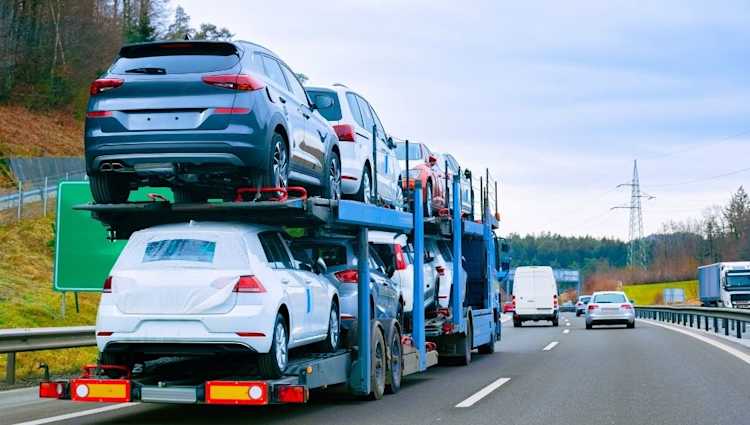
Open carriers are the standard multi-vehicle trailers commonly seen delivering cars to dealerships. They are more affordable and widely available.
Open transport is usually right for:
- Sedans
- SUVs
- Pickup trucks
- Family vehicles
- Daily-driver cars
- Vehicles with normal ground clearance
Enclosed transport provides more protection from weather, road debris, and dust. It is usually best for:
- Luxury vehicles
- Classic cars
- Collector cars
- Exotic vehicles
- Low-clearance performance vehicles
Enclosed transport often costs 30% to 60% more. For most PCS moves, open transport is the practical choice unless the vehicle has high value or special protection needs.
How Early Should You Book?
For standard PCS shipping, aim to request quotes early and book two to four weeks before your preferred pickup date.
For peak summer PCS season, remote locations, cross-country moves, or enclosed transport, four to six weeks is safer.
Early booking gives you more flexibility. It does not mean a carrier will necessarily pick up your vehicle immediately. It gives the company time to find a carrier at a realistic market rate and coordinate pickup around your travel plans.
Avoid booking during the final week unless you are prepared for fewer options and potentially higher costs.
How Pickup and Delivery Work
Most auto transport is described as door-to-door, but large carriers cannot always reach every address.
Pickup or delivery may need to happen at a nearby truck-friendly location if you live in:
- A gated community
- A narrow residential street
- An apartment complex
- A neighborhood with low trees
- An area with steep hills or tight turns
The driver may suggest a shopping center, wide road, or large parking lot nearby. This is normal and often makes the process safer and faster.
Build flexibility into your schedule. Auto transport typically uses pickup and delivery windows rather than exact appointment times because carriers manage multiple vehicles and routes.
Prepare Your Vehicle Before Pickup
Before the carrier arrives:
- Wash the vehicle so existing marks are visible.
- Take photos of every side, wheels, windows, and existing damage.
- Remove personal belongings and valuables.
- Leave around one-quarter tank of fuel.
- Remove or disable toll tags.
- Check tire pressure and battery condition.
- Tell the company about leaks, mechanical issues, modifications, or low ground clearance.
At pickup, review the Bill of Lading carefully. This is the condition report that should also be checked at delivery.
Understand Insurance Before You Need It
Do not wait until after a problem to ask about insurance.
Before booking, ask:
- What cargo coverage applies during transit?
- What are the policy limits?
- What is excluded?
- How are claims handled?
- What documentation is needed if damage occurs?
Carrier cargo insurance is different from your personal auto insurance. You should understand both before pickup.
For a high-value vehicle, ask whether the carrier’s coverage limit is sufficient.
Reimbursement and Government Benefits
Do not assume commercial vehicle shipping is automatically reimbursed.
Reimbursement rules can depend on your branch, assignment type, orders, travel entitlements, and whether the move is domestic, overseas, or part of a special program.
Before spending money, check with your installation transportation office, finance office, or official relocation resources. Keep copies of quotes, receipts, Bills of Lading, and any other paperwork in case you need them for reimbursement or records.
Common PCS Shipping Mistakes
Avoid waiting until the last minute.
Avoid choosing only the lowest quote.
Avoid assuming a military discount guarantees the best value.
Avoid leaving personal items inside the vehicle.
Avoid expecting an exact pickup hour.
Avoid skipping the inspection and Bill of Lading at delivery.
Final Thoughts
PCS moves involve enough pressure without turning vehicle transport into a last-minute problem. The smartest approach is to decide early whether driving or shipping makes more sense, compare realistic quotes, understand your insurance and reimbursement options, and book with enough time to keep your schedule flexible.
With a clear plan, vehicle shipping can remove a major logistical burden and help you focus on the bigger priorities of your next duty station.
