



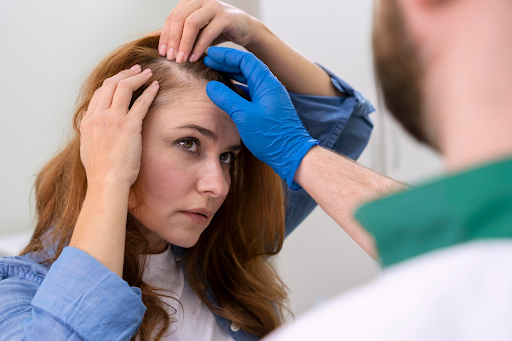
For many women, hair thinning is more than a cosmetic concern; it is a clinical condition that can impact psychological well-being and scalp health. While the aesthetic goal is often a fuller head of hair, the medical advantages of a professional hair transplant for women are frequently overlooked.
In the modern clinical landscape, particularly in hubs of medical excellence like Bournemouth, the approach to female hair restoration has shifted toward a “regenerative” model. This often involves a combination of surgical precision and supportive therapies like microneedling in Bournemouth. Here are the primary medical benefits of choosing a professional, specialist-led path for hair restoration.
1. Precise Diagnosis of Underlying Conditions
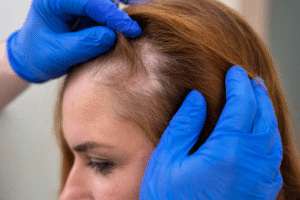
One of the most significant medical benefits of a professional consultation is the diagnostic phase. Female hair loss is rarely as straightforward as male-pattern baldness and can be a symptom of broader health issues.
- Excluding Systemic Triggers: A specialist will perform blood tests to check for iron deficiencies, thyroid imbalances, or hormonal irregularities (such as PCOS) that may be the true cause of thinning.
- Identifying Cicatricial Alopecia: Some forms of hair loss are inflammatory or scarring (cicatricial). Performing a transplant on an active inflammatory condition can lead to failure. A professional ensures your scalp is medically stable before any procedure is considered.
2. Integration with Microneedling and PRP
Professional hair restoration clinics often use a multi-modal approach to improve the “soil” of the scalp. For those seeking microneedling in Bournemouth, this therapy is frequently integrated into a transplant plan.
- Angiogenesis Support: Microneedling creates micro-channels in the skin, which triggers the body’s wound-healing response. This increases blood flow (angiogenesis) to the scalp, providing a nutrient-rich environment for both existing hair and new grafts.
- Enhanced Absorption: When combined with growth factor serums or Platelet-Rich Plasma (PRP), microneedling allows for deeper penetration of regenerative signals, medically strengthening the hair follicles from the root.
3. Minimising the Risk of “Shock Loss”
A common medical risk in hair restoration is “shock loss,” where existing hair falls out due to the trauma of the surgery.
- Refined Extraction Techniques: Professional surgeons use specialised tools designed for female hair, which is often finer. By using smaller, high-precision punches, they minimise trauma to the surrounding native hair.
- Strategic Graft Placement: A specialist understands the medical importance of “interspersing” grafts. They place new follicles in a way that does not compromise the blood supply to your existing hair, preserving the overall density of the scalp.
4. Permanent Correction for Traction Alopecia
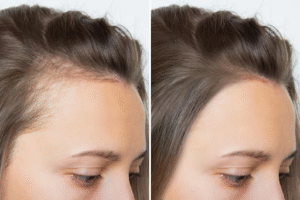
For women suffering from Traction Alopecia hair loss caused by years of tight hairstyles a transplant is often the only medical solution to restore hair to “dead” zones where the follicle has been permanently scarred.
- Restoring the Forelock: By transplanting healthy, DHT-resistant follicles into areas of scarring, a professional can effectively “restart” the growth cycle in areas that would otherwise remain bare for life.
- Tissue Health: The process of transplanting follicles also helps to soften and remodel the scarred tissue of the scalp, improving overall skin health in the treated area.
5. Psychological and Neurological Health
The medical community increasingly recognises the link between hair restoration and mental health.
- Reducing Cortisol: Chronic stress caused by hair loss triggers the release of cortisol, which can further exacerbate thinning. Successfully restoring hair through a professional procedure can break this physiological stress cycle.
- Confidence and Quality of Life: Clinical studies have shown that women who undergo successful hair restoration report significant improvements in social functioning and a reduction in symptoms associated with anxiety and depression. While medical treatments address the root cause of hair loss, some individuals also explore supportive cosmetic options such as hair extensions to enhance volume and appearance during the recovery or regrowth phase, helping them feel more confident in their daily lives.
Choosing Your Specialist in Bournemouth
When looking for a hair transplant for women or medical-grade microneedling in Bournemouth, it is vital to select a clinic that prioritises a medical-first approach.
- Clinical Environment: Ensure the facility is CQC (Care Quality Commission) registered, which guarantees adherence to strict medical safety and hygiene protocols.
- Comprehensive Care: The best clinics will offer a long-term medical plan that includes post-operative monitoring and maintenance therapies to ensure the longevity of your results.
Final Thoughts
A professional hair transplant is not just a purchase; it is a medical intervention. By opting for a specialist-led procedure that potentially incorporates regenerative tools like microneedling, you are addressing hair loss at a cellular level. This ensures that your journey toward a fuller head of hair is supported by sound medical science, leading to results that are as healthy as they are beautiful.
