



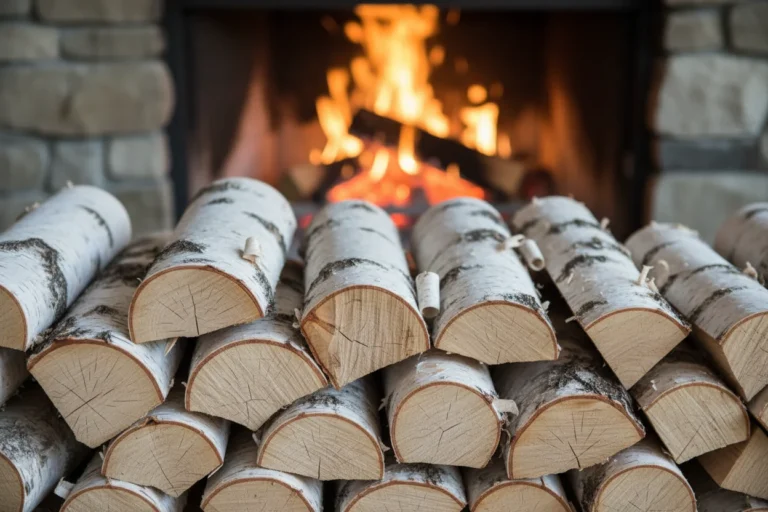
When the temperature drops and the stove becomes the heart of the home, the choice of firewood matters more than you might think. For UK homeowners weighing up luxury oak logs and premium birch logs, the differences go well beyond appearance. Each wood brings its own character to your fire, affecting heat efficiency, burn time, and the overall comfort of your living space. As winter heating across the UK pushes energy costs higher, picking the right log can shape both your warmth and your spending. Here is how these two premium woods compare, and which suits your home best.
What Makes Luxury Oak Logs and Premium Birch Logs Different?
Oak and birch sit at opposite ends of the firewood spectrum, which is precisely why both have loyal followers.
Oak is a dense hardwood. It grows slowly, packs tightly, and holds onto its energy, releasing heat steadily over a long period. Birch is lighter and less dense, so it catches quickly and produces a bright, lively flame almost immediately.
The result is a clear trade-off. Oak rewards patience with sustained warmth. Birch offers fast, satisfying heat the moment you light it. Both perform best when properly seasoned or supplied as kiln-dried firewood, with moisture levels below 20%.
Heat Output and Burn Time Comparison
Heat output is where density really shows its value.
Because oak is so compact, it carries a high calorific value per log. Once it reaches full temperature, it radiates strong, consistent heat for hours. This makes it ideal for longer evenings when you want to top up the fire less often.
Birch, by contrast, ignites with ease and reaches a healthy temperature fast. Its burn time is shorter, but the immediate heat is generous. If you struggle to get a fire going, birch does much of the hard work for you.
A few practical points worth remembering:
- Oak delivers a longer burn time and slower, steadier heat
- Birch lights quickly and warms a room faster from cold
- Both reach peak heat efficiency only when moisture content stays low
Many households keep both to hand, using birch to start the fire and oak to maintain it.
Which Logs Are Better for Overnight Heating?
If you want a fire that holds through the evening and still glows when you head to bed, oak is the natural choice.
Its density allows it to burn down slowly, producing lasting embers rather than a quick blaze. Load a wood-burning stove with well-dried oak in the early evening, and you can enjoy steady warmth for hours with minimal refuelling.
Premium oak logs are particularly suited to this kind of slow, controlled burn. Quality matters here. Properly dried luxury oak logs hold their heat far better than damp or under-seasoned timber, which wastes energy and produces excess smoke.
Birch simply burns through too fast to manage overnight heating on its own.
Aesthetic Flames and Indoor Comfort Experience
There is more to a fire than raw heat. The look and feel of the flames shape the comfort of a room.
Birch is the clear winner for visual appeal. Its bark and oils create a bright, dancing flame with a gentle crackle that many people find genuinely relaxing. For a cosy lounge or a special evening, premium birch logs bring instant atmosphere.
Oak burns with a calmer, more even glow. It is less dramatic but deeply warming, suiting homes that prioritise sustained comfort over a showpiece fire.
Indoor air quality also depends on dryness. Well-dried logs of either type burn cleanly, reducing smoke and protecting the air inside your home. Damp wood does the opposite.
Cost and Efficiency for UK Households
With UK energy costs remaining a real concern, firewood value is about more than the price per crate.
Oak usually costs more upfront. It is a slower-growing hardwood, and that premium reflects its density and long burn time. The payoff comes in fewer logs burned per evening, which can balance the higher initial outlay.
Birch tends to be more affordable and offers excellent heat efficiency for its price, especially as kindling or for shorter fires. The catch is that you may get through it faster.
When comparing the two, think about cost per hour of heat rather than cost per log. Oak often works out competitively over a full season. Birch suits those who light shorter, more frequent fires and want a lower entry price.
Best Uses for Oak vs Birch in Wood-Burning Stoves
Matching the wood to the moment is the simplest way to get the most from your fuel.
Oak performs best in a wood-burning stove or multi-fuel stove during the coldest months, when you need reliable, long-lasting warmth. Its slow burn makes it ideal for January and February evenings.
Birch shines in milder weather and during the shoulder seasons. It is perfect for autumn fires, quick warm-ups, and getting a stove up to temperature before adding denser logs.
A practical approach for many UK homes:
- Start every fire with birch for a fast, clean light
- Add oak once the stove is hot for extended warmth
- Use birch alone for short, atmospheric evening fires
This combination gives you both speed and stamina from a single woodpile.
Choosing High-Quality Firewood in the UK
Firewood quality determines almost everything about how your fire performs, regardless of species.
The key marker is moisture. Under DEFRA regulations, firewood sold in small volumes must meet the “Ready to Burn” standard, with moisture content at or below 20%. Wood above this level burns poorly, wastes heat, and increases carbon emissions and smoke.
Kiln-dried logs solve this reliably. By drying timber in controlled conditions, suppliers achieve consistently low moisture and clean, efficient combustion. UK suppliers such as Lektowood Fuels offer kiln-dried oak and birch sourced through sustainable forestry, supporting renewable, sustainable heating without sacrificing performance.
When buying, look for:
- Verified low moisture content
- Responsibly managed timber sources
- Clear information on species and drying method
These details separate genuinely premium firewood from ordinary stock.
The Verdict
So, which burns better? It depends on what you need from your fire. Luxury oak logs deliver long, steady heat and excel at overnight warmth, making them the stronger choice for the depths of winter heating in the UK. Premium birch logs light quickly, look beautiful, and offer outstanding value for shorter or milder fires. For most homes, keeping both is the smartest option, using birch to start and oak to sustain. Whichever you choose, well-dried, sustainably sourced kiln-dried firewood will give you cleaner burning, better heat efficiency, and lasting comfort throughout the colder months.
