



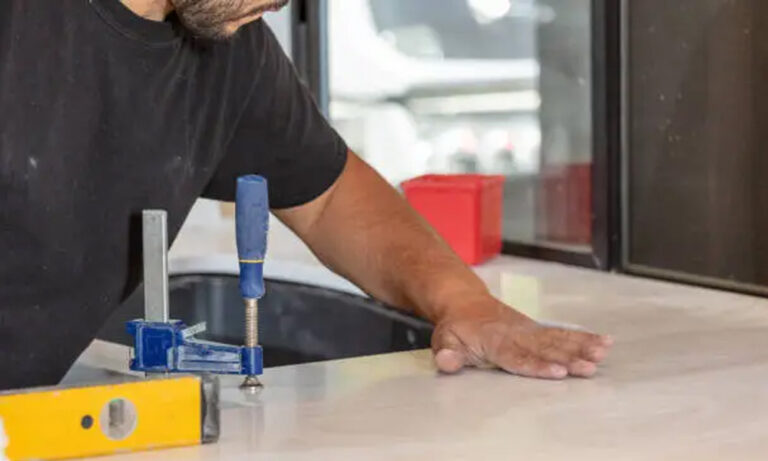
Small Gaps Around Stone Benchtops Can Become Hidden Pest Havens
A spotless kitchen does not always guarantee a pest-free home. You may wipe your benchtops every day, empty the bins regularly and keep food stored away, yet still notice cockroaches appearing around the sink or cupboards. In many cases, the issue is not poor hygiene but tiny gaps around the kitchen that provide ideal hiding places.
Even small openings around benchtops can trap moisture, grease and food particles that attract cockroaches. Over time, deteriorating silicone joints, shrinking sealants or poorly sealed edges can create protected harbourage areas where pests can live, breed and travel unnoticed. Because these spaces are often concealed behind cabinetry or beneath the benchtop, infestations may continue to grow before homeowners become aware of the problem.
Common Harbourage Areas Around Stone Benchtops
Cockroaches prefer dark, warm and undisturbed spaces that offer easy access to food and water. Kitchens naturally provide these conditions, especially where small structural gaps exist around benchtops.
One of the most common harbourage areas is the joint between the benchtop and the splashback. If the silicone seal has cracked or separated over time, crumbs, moisture and grease can accumulate inside the gap, creating an attractive environment for pests. Similar problems can occur around sinks, where constant water exposure gradually weakens sealants and allows tiny openings to develop.
Cabinet junctions also deserve attention. Small gaps where cabinetry meets the underside of the benchtop can provide sheltered pathways for cockroaches moving throughout the kitchen. Plumbing penetrations beneath sinks are another common entry point, particularly where pipes pass through walls or cabinets without being fully sealed. Wall junctions, service penetrations and cracks around skirting boards can further expand the network of hiding places available to pests. Food-safety guidance recommends sealing junctions between benchtops, splashbacks, walls, ceilings and service penetrations to reduce pest harbourage.
Why Sealing Matters
Proper sealing does much more than improve the appearance of a kitchen. It helps reduce the conditions that allow cockroaches to thrive by limiting access to moisture, food debris and concealed shelter.
When gaps remain open, water from sinks, cooking splashes and everyday cleaning can seep behind cabinetry or beneath benchtops. Moisture trapped in these hidden spaces may encourage mould growth while also providing a reliable water source for cockroaches. At the same time, tiny food particles can become lodged inside unsealed joints where they are difficult to remove during routine cleaning.
Well-maintained silicone seals create a barrier that helps prevent water penetration and limits the accumulation of food residue. This makes cleaning easier while reducing the protected spaces that cockroaches rely on for shelter and movement throughout the kitchen. Regular inspection of these joints is equally important because even high-quality sealants naturally deteriorate over time due to heat, moisture and daily cleaning.
When Professional Pest Control Is Needed
While sealing gaps is an important preventative measure, it should not be viewed as a complete solution for an active infestation. If cockroaches are already living inside wall cavities, beneath cabinetry or behind appliances, simply sealing visible openings may trap pests inside inaccessible spaces without addressing the source of the problem.
Signs such as repeated cockroach sightings, droppings inside cupboards, egg cases, unpleasant musty odours or insects appearing in several rooms may indicate an established infestation that requires professional assessment. Food-safety authorities generally recommend engaging licensed pest professionals while also addressing harbourage conditions and preventing further pest entry.
Professional Cockroach pest control can help identify breeding areas, hidden nesting locations and movement pathways before sealing work begins. This allows existing populations to be treated more effectively while reducing the likelihood of cockroaches relocating to another concealed area within the home.
Best Sealing Practices for Kitchen Benchtops
Successful sealing begins with selecting products designed specifically for kitchen environments. High-quality silicone sealants suitable for wet areas provide flexibility while creating durable, water-resistant joints between benchtops, splashbacks and surrounding surfaces. They also accommodate normal structural movement without cracking prematurely.
Before applying new sealant, damaged or deteriorated material should be removed completely so the new joint can adhere properly. Surfaces should be clean and dry to maximise durability. Areas around sinks, plumbing penetrations, cabinetry and wall junctions should all be inspected carefully because even very small openings may become future harbourage points.
Routine maintenance remains equally important after installation. Periodic inspections allow homeowners to identify cracked silicone, separating joints or water damage before larger problems develop. For households with stone benchtops Sydney, maintaining protective seals alongside regular cleaning helps preserve both the appearance of the stone and the integrity of surrounding joints. Natural stone surfaces may also require periodic resealing, depending on the material and level of use.
Combine Sealing and Pest Control for Lasting Protection
Reducing cockroach harbourage requires more than keeping the kitchen tidy. Small structural gaps around sinks, splashbacks, cabinetry and plumbing can quietly provide the conditions these pests need to survive, even in well-maintained homes.
Combining professional sealing with routine inspections and ongoing Cockroach pest control creates a more effective long-term strategy. Homeowners with stone benchtops Sydney can benefit from maintaining both the stone surface and surrounding joints, helping keep kitchens cleaner, better protected and far less inviting to unwanted pests.
FAQs
Why do cockroaches gather around kitchen benchtops?
Cockroaches are attracted to moisture, warmth, food residue and sheltered spaces. Small gaps around benchtops often provide these ideal conditions.
Which areas around a benchtop should be sealed?
The joints around sinks, splashbacks, cabinetry, plumbing penetrations, wall junctions and any visible cracks or crevices should be inspected and sealed where appropriate.
Can sealing alone eliminate a cockroach infestation?
No. Sealing helps prevent future harbourage and entry but does not remove established cockroach populations already hiding within walls or cabinetry.
How often should kitchen sealant be inspected?
Sealant should be checked regularly for cracks, shrinkage, mould or separation, particularly around wet areas such as sinks and splashbacks.
Do natural stone benchtops require additional maintenance?
Yes. Many natural stone surfaces benefit from periodic resealing to maintain stain resistance and protect the material from moisture penetration.
When should I contact a pest control professional?
If you notice recurring cockroach activity, droppings, egg cases or insects appearing in multiple areas of the home, a professional inspection is recommended before undertaking extensive sealing work.
