



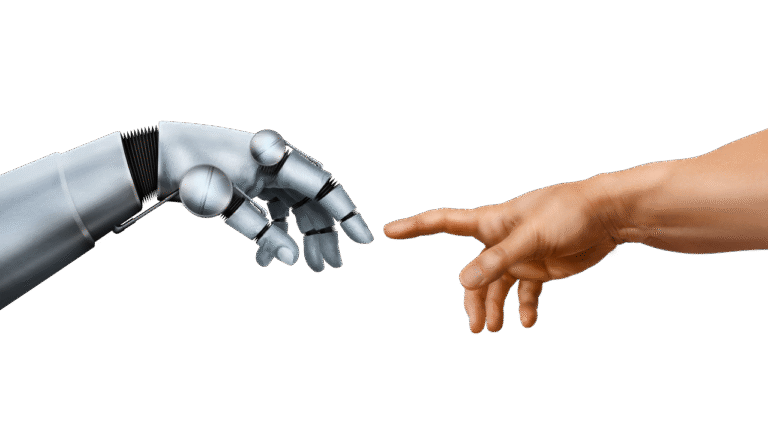
What AI Means for Modern Entrepreneurs
Artificial intelligence has stopped being a futuristic concept reserved for multinational corporations and technology giants. In 2026, AI has quietly become part of daily business operations for freelancers, local cafés, family-owned stores, boutique agencies, consultants, online sellers, and independent entrepreneurs across almost every industry imaginable. Tasks that once demanded hours of manual effort are now being completed within minutes through automation tools that handle scheduling, customer communication, marketing analysis, inventory management, bookkeeping, and content assistance with remarkable speed.
For small businesses, this shift has created both opportunity and concern at the same time.
On one side, AI has made it possible for smaller companies to compete with larger brands in ways that previously seemed impossible. A small online store can now analyze customer behavior similarly to major retailers. A local service provider can automate client follow-ups without hiring additional staff. Independent entrepreneurs can manage workloads that once required entire teams.
But another reality has started becoming impossible to ignore.
Customers are growing increasingly sensitive to communication that feels robotic, impersonal, or emotionally disconnected. Automated responses may improve efficiency, but relationships are rarely built through efficiency alone. Consumers still remember businesses that make them feel heard, respected, and appreciated. They still value empathy, patience, familiarity, and authentic interaction — especially when spending money with smaller brands.
This challenge has become especially important for independent businesses because personal connection has always been one of their greatest advantages. Large corporations often compete through scale, advertising budgets, and operational power. Small businesses survive through trust, loyalty, recommendations, and relationships built over time.
That is precisely why many entrepreneurs are no longer asking whether AI should be used.
Instead, in 2026, we ask the real question:
How can AI improve operations without removing the human side of business entirely?
Across industries, practical answers are beginning to emerge. Instead of replacing people completely, many businesses are using AI quietly behind the scenes while preserving warmth, personality, and human interaction where it matters most. The result is a new business model where technology supports relationships instead of replacing them.
1. Small Businesses Are Using AI to Save Time, Not Replace People
One of the biggest misconceptions surrounding artificial intelligence is the assumption that automation automatically removes the need for people. In reality, many small businesses are integrating AI in ways that actually create more opportunities for meaningful interaction, says Desmond Dorsey, Chief Marketing Officer at Bayside Home Improvement.
Instead of replacing employees or eliminating communication, companies increasingly use AI to reduce repetitive administrative work that drains time and energy from entrepreneurs.
Common Areas Where Small Businesses Are Using AI
- Appointment scheduling
- Invoice management
- Email organization
- Inventory tracking
- Customer reminders
- Analytics reporting
- Marketing automation
- Social media scheduling
- CRM organization
This shift has become extremely valuable for small teams where multiple responsibilities often fall onto the same individuals. Administrative work that once consumed entire afternoons now completes itself automatically, creating more time for customer-facing interaction.
For example:
| Traditional Workflow | AI-Assisted Workflow |
| Manual appointment confirmations | Automated scheduling systems |
| Handwritten invoice tracking | AI accounting software |
| Manual customer segmentation | Smart CRM categorization |
| Repetitive email responses | AI-assisted reply suggestions |
| Spreadsheet inventory tracking | Predictive inventory management |
A freelance consultant may now use AI tools to organize meeting notes and prepare project summaries before client calls. However, the actual strategy discussion is still handled personally because trust, communication, and emotional understanding remain essential parts of the relationship.
This balanced approach is becoming increasingly common among successful small businesses.
2. Human Stories Have Become More Valuable Than Polished Marketing
As AI-generated content floods social media platforms, websites, and advertisements, audiences have become much more selective about what captures their attention, according to Kellon Ambrose, managing director of Electric Wheelchairs USA. Consumers who crave authenticity are increasingly ignoring generic marketing language, repetitive captions, and emotionless promotional content.
This shift has benefited small businesses significantly because genuine storytelling has become more valuable than corporate perfection. Customers increasingly connect with businesses that share real experiences, struggles, achievements, behind-the-scenes moments, and community involvement.
A small restaurant may share stories about family recipes passed down across generations. An independent bookstore may highlight loyal customers and employee recommendations. A freelance designer may openly discuss creative challenges faced during projects. These moments create emotional familiarity that automated advertising often fails to achieve.
According to Magnus Larsen, Head of Marketing at Forbrukerguiden, AI tools are still being used for editing, scheduling, research, and analytics, but the emotional core of storytelling remains deeply human. Customers can often recognize when content feels manufactured purely for engagement metrics rather than genuine communication.
Because of this, many businesses are shifting away from excessive promotional messaging and focusing more on honest conversations with their audiences. This approach is strengthening trust while helping smaller brands stand out in highly competitive digital spaces.
3. AI Chatbots Are Being Used With Greater Caution
Chatbots have become one of the most visible examples of AI integration in customer service, according to Wade O’Shea, the founder of Bus Charter. Nearly every industry now uses automated messaging systems in some form. However, small businesses have started approaching chatbots more carefully after recognizing that excessive automation can damage customer trust quickly.
Many businesses initially attempted to automate entire customer conversations. While this approach reduced workload temporarily, customers often became frustrated when conversations felt repetitive or unhelpful. Endless automated menus, irrelevant answers, and robotic replies created negative experiences that harmed brand reputation.
A more balanced system is now being adopted. Chatbots are increasingly being used for basic assistance only. Questions regarding opening hours, pricing details, shipping timelines, appointment availability, and order tracking are commonly handled through automation because these interactions do not require emotional sensitivity, says Anastasia Sartan, CEO of GetGenAI.
However, once conversations become more detailed or emotional, human staff members are often introduced immediately. This hybrid approach has become highly successful because customers receive quick answers initially while still feeling supported personally when situations become more important.
Transparency has also become increasingly valuable. Many businesses now openly explain when they use AI systems instead of pretending that automated messages come from real employees. Customers generally appreciate honesty far more than hidden automation.
4. Entrepreneurs Are Using AI to Reduce Burnout and Improve Mental Balance
One of the least discussed but most important benefits of AI adoption among small businesses has been the reduction of mental exhaustion. According to Gavin Yi, CEO & Founder of Yijin Solution, entrepreneurs often manage countless responsibilities simultaneously, including operations, marketing, accounting, customer support, hiring, scheduling, and problem-solving. This constant pressure frequently leads to burnout, emotional fatigue, and declining creativity.
AI has helped reduce some of this burden by automating repetitive administrative work. Tasks that previously consumed several hours daily can now be completed within minutes, allowing business owners to regain time and mental energy.
A freelance writer may use AI to organize research notes and summarize interviews while dedicating more focus to creative storytelling. A salon owner may automate appointment confirmations and inventory tracking while spending more time interacting with clients personally. A consultant may use AI-generated reports as starting points while concentrating on strategic thinking and relationship management.
This change has improved not only productivity but also emotional well-being for many entrepreneurs. Instead of feeling trapped inside endless operational tasks, business owners are increasingly able to focus on the parts of entrepreneurship they actually enjoy most — creativity, communication, leadership, and customer relationships.
5. Customers Still Crave Human Attention and Emotional Connection
Despite rapid advancements in automation, human behavior has not changed as dramatically as many technology experts predicted. Jeffrey Zhou, CEO and Founder of Fig Loans, believes customers still value emotional connection, personal interaction, and thoughtful communication just as strongly as before. Fast service may impress people temporarily, but sincerity often determines whether long-term loyalty is built.
Across industries, customers continue responding positively to businesses where they feel genuinely recognized. Many consumers can immediately sense when communication feels scripted or artificial. Automated replies may solve simple issues efficiently, but emotional situations usually require empathy that cannot easily be replicated through software, says Ákos Doleschall, Managing Director at Hustler Marketing — Ecommerce Email Marketing specialists.
This reality has encouraged many entrepreneurs to preserve personal interaction intentionally. Handwritten thank-you notes are still being included inside product shipments. Personalized voice messages are still being sent to long-term clients. Business owners are still replying personally to important customer concerns instead of delegating every conversation to chatbots.
For instance, a local bakery may use AI systems to manage online orders efficiently throughout the day. However, consultations for weddings, birthdays, and custom celebrations are often still handled directly by staff because customers want reassurance, creativity, patience, and emotional involvement during meaningful events. Similarly, freelance coaches may automate scheduling systems while continuing to communicate personally during sessions because emotional trust remains central to client satisfaction.
Many small businesses have realized something extremely valuable: people may admire technology, but they usually remember how businesses make them feel emotionally.
6. Customers Still Want Businesses to Feel Personal
Dan Close, Founder and CEO of BuyingHomes says, “Despite rapid technological advancement, customer psychology has remained surprisingly consistent.
People still want to feel the following:
- Recognized
- Appreciated
- Heard
- Respected
- Understood
This reality explains why many small businesses are intentionally preserving personal interaction even while integrating AI more deeply into daily operations.”
Human Touches That Continue Building Loyalty
- Handwritten thank-you notes
- Personalized follow-up emails
- Voice messages
- Direct phone calls
- Staff familiarity with repeat customers
- Customized recommendations
These details may appear small individually, but collectively they shape customer perception strongly.
A customer may forget an automated promotional email quickly.
However, customers often remember businesses that handled stressful situations patiently or made meaningful moments feel personal.
Modern lead nurturing discussions continue emphasizing that relationships rooted in trust frequently outperform purely transactional communication.
7. The Future Belongs to Businesses That Balance AI With Authenticity
Karen Noryko, Career Content Director at Jobtrees explains, “Artificial intelligence will continue becoming more integrated into modern business operations over the coming years. Automation tools will become smarter, faster, and more deeply connected to customer data, operational systems, and marketing workflows.”
At the same time, human connection is unlikely to lose importance. In fact, emotional authenticity may become even more valuable as automation becomes more widespread.
The future will likely belong to businesses capable of balancing both.
What Successful Small Businesses Are Doing in 2026
Small businesses already hold an important advantage in this area because they naturally operate closer to customers than large corporations do.
| AI Handles | Humans Handle |
| Scheduling | Relationship building |
| Data analysis | Emotional communication |
| Workflow automation | Creativity |
| Reporting | Trust-building |
| Inventory forecasting | Personalized service |
| Routine support | Sensitive conversations |
- Owners can still communicate directly with clients.
- Employees can still build familiarity with regular customers.
- Communities can still form around brands that feel approachable and authentic.
Tariq Attia, Founder of IW Capital — EIS Investment specialists says, “The businesses succeeding most strongly are not necessarily the ones automating everything aggressively.”
Instead, they are often the businesses using AI quietly in the background while preserving warmth, sincerity, and human interaction where customers notice it most.
Wrapping up
Artificial intelligence is reshaping the business landscape rapidly, but the role of human connection remains just as important as ever. Small businesses across industries are proving that technology and authenticity do not have to compete against each other. Instead, both can work together when implemented thoughtfully.
Automation is helping entrepreneurs reduce burnout, improve efficiency, organize operations, and compete more effectively against larger companies. Yet personal communication, empathy, sincerity, and genuine customer care continue to build emotional trust.
This balance is becoming one of the defining business trends of 2026. Consumers may appreciate faster service and smarter systems, but they still remember businesses that make them feel valued as people rather than transactions. They still return to brands where conversations feel natural, where support feels personal, and where relationships feel real.
Small businesses that protect these human qualities while using AI intelligently are positioning themselves strongly for the future. The companies likely to thrive long-term will not simply be the most automated ones. They will be the businesses that combine modern efficiency with authentic human connection in ways customers continue to remember long after they complete transactions.
