



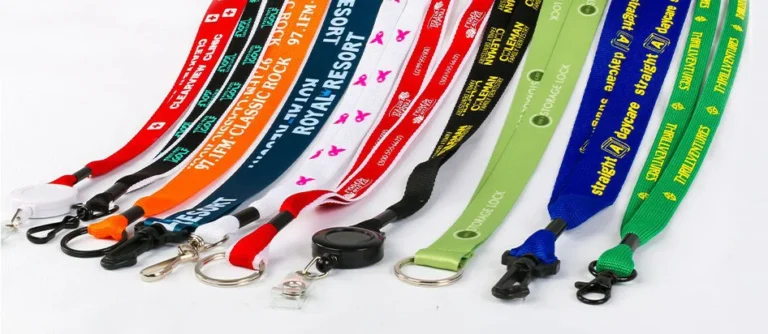
Organizing a successful event requires balancing a thousand moving parts, from speaker lineups to catering. However, one of the most visible elements and often the most overlooked is the humble lanyard. More than just a string to hold an ID, a lanyard is a branding powerhouse, a security tool, and a functional accessory that attendees will wear for hours, if not days.
Choosing the wrong material or attachment can lead to “badge flip” (where the ID constantly turns backward), neck irritation, or even security bottlenecks. To ensure your event runs smoothly, here is everything you need to know before making your purchase.
1. Choose the Right Material for Comfort and Durability
The material of your lanyard dictates both the cost and the wearer’s comfort.
- Polyester: The industry standard. It is durable, affordable, and offers a professional matte finish. It’s ideal for large-scale conferences where budget is a factor.
- Nylon: Known for its high-sheen finish and silky texture. Nylon lanyards are slightly thicker and more durable, making them perfect for multi-day festivals or high-end corporate retreats.
- Tube Polyester: A budget-friendly option made from loose-knit polyester formed into a tube. It is lightweight but may stretch over time.
- Dye-Sublimated (Satin-Finish): If your branding involves complex gradients or multi-color logos, dye sublimation is the way to go. The fabric is ultra-smooth, preventing neck “itch,” and the print becomes part of the fabric so it won’t fade or peel.
2. Branding and Printing Techniques
Your lanyard is a walking billboard. The printing method you choose affects how your logo is perceived.
- Screen Printing: Best for simple, 1- or 2-color logos. It’s cost-effective for bulk orders but lacks the detail for intricate designs.
- Woven Lanyards: The logo is stitched directly into the fabric. This offers an “old school,” high-durability feel, though it is limited to simpler patterns.
- Full-Color Heat Transfer: This allows for photographic quality. When you source from a professional provider like 4inlanyards, you can ensure that high-resolution logos remain crisp and vibrant, even on a narrow strip of fabric.
3. Essential Safety Features: The Breakaway Clasp
Safety should never be secondary. In environments where lanyards might get caught in machinery, doors, or even during crowded movements, a safety breakaway clasp is mandatory. This plastic attachment sits at the back of the neck and pulls apart under tension, preventing choking hazards. For school events, healthcare settings, or industrial trade shows, this feature is non-negotiable for liability and participant protection.
4. Selecting the Correct Attachment
The “business end” of the lanyard is the attachment. Your choice depends on what you are hanging from it.
- Swivel J-Hook or Lobster Claw: The most common choice. They are easy to open and secure but allow the badge to spin.
- Bulldog Clip: Ideal for badges that don’t have a hole punched in them, as they “bite” onto the plastic sleeve.
- Double-Ended Lanyards: A favorite for large events. By having two clips attached to both corners of a badge holder, you eliminate “badge flip” entirely, ensuring the attendee’s name is always visible to photographers and security.
5. Managing Security and Access Control
Lanyards are your first line of defense in event security. Color-coding is the most efficient way to manage crowds at a glance.
- Green: General Admission
- Red: VIP / Backstage
- Blue: Staff / Security
- Yellow: Press
By using distinct colors and bold text, your security team can identify unauthorized persons in restricted zones from across a room.
6. The “Badge Flip” Problem
Nothing looks more unprofessional than a room full of people wearing badges that have flipped to the blank side. To prevent this, consider no-twist attachments or wider 20mm lanyards. The extra width provides more stability against the chest. If your budget allows, opting for the double-ended hook mentioned earlier is the gold standard for high-profile summits.
7. Lead Times and Sustainability
In 2026, sustainability is a major trend in event planning. Look for lanyards made from recycled PET (RPET) or bamboo fibers. These eco-friendly options signal to your attendees that your organization is environmentally conscious.
Finally, always account for lead times. Custom printing takes time, especially for orders exceeding 5,000 units. Always order your lanyards at least 3–4 weeks before your event to allow for shipping and any last-minute adjustments.
Conclusion
A lanyard might seem like a small detail, but it impacts everything from security to attendee comfort. By selecting the right material, prioritizing safety with breakaway clasps, and ensuring high-quality printing through trusted suppliers like 4inlanyards, you turn a simple utility item into a professional asset for your event. Plan ahead, prioritize the wearer’s experience, and your lanyards will serve as a lasting memento of a well-organized occasion.
