



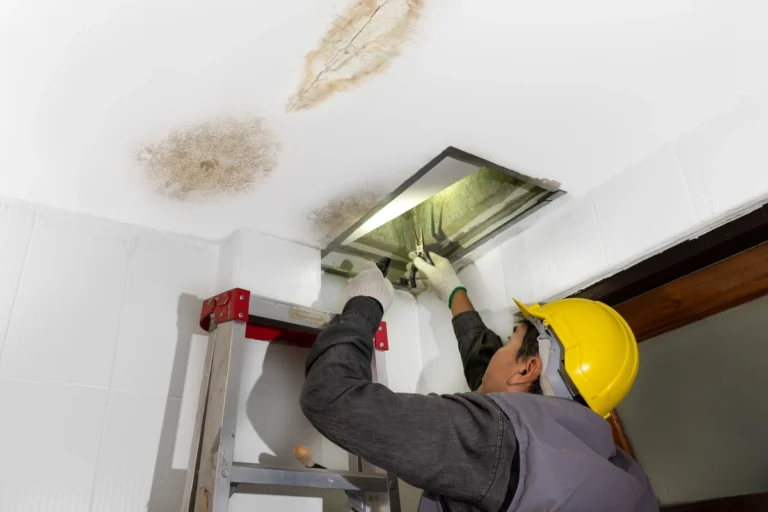
It often starts with a small water stain on the ceiling or a musty smell after heavy rain. Many homeowners focus on the leak itself and overlook another problem developing above the ceiling. Damp roof cavities and wet insulation can create the perfect environment for mice seeking warmth, shelter, and protection.
Once mice move into ceiling spaces, the issue rarely stays contained. They can contaminate insulation, chew wiring, damage timber, and spread throughout wall cavities and storage areas. A roof leak may seem unrelated to rodent activity at first, but moisture problems and mouse infestations are often closely connected.
Why Damp Ceiling Spaces Attract Mice
Mice are constantly searching for safe nesting areas. Roof cavities already provide darkness, warmth, and limited human disturbance. When a leaking roof introduces moisture into the space, it creates even more favourable conditions for rodents.
Wet insulation becomes softer and easier for nesting. Damp timber and ceiling voids can also stay warmer during cooler weather, helping mice conserve body heat. Leaks can weaken roofing materials over time as well. Damaged flashing, loose tiles, deteriorating fascia boards, and gaps around vents can create entry points mice use to access the roof cavity.
In many Sydney homes, the leak and the rodent issue can develop together.
Common Signs of Mice in Ceiling Spaces
Many homeowners notice rodents before they actually see them. Scratching sounds at night are often the first sign. Mice are most active after dark, particularly in quiet ceiling cavities where they feel protected.
Other signs may include droppings near ceiling access points, musty odours, damaged insulation, or gnaw marks around stored items and electrical wiring. In some cases, stained ceilings caused by moisture may appear alongside rodent contamination above the plasterboard.
Roof cavity infestations can become serious because mice reproduce quickly once they settle into a suitable environment. If the roof leak remains unresolved, the ceiling space continues to provide shelter and moisture that encourages ongoing activity.
How Roof Leaks Increase Structural Risks
A leaking roof already poses structural concerns on its own. Moisture can damage timber framing, ceiling plaster, insulation, and electrical systems. When mice are added to the situation, the risks increase significantly.
Rodents frequently chew electrical cables inside roof spaces. This behaviour is instinctive because their teeth continuously grow and need to be worn down. Damaged wiring can create fire hazards and expensive electrical repairs.
Contaminated insulation is another issue. Mice leave urine and droppings throughout nesting areas, reducing insulation effectiveness and creating unpleasant odours. Damp insulation combined with rodent contamination may require full replacement. Moist environments can also contribute to mould growth, further affecting indoor air quality and property condition.
Why Addressing Only the Mice Is Not Enough
Many people attempt to solve rodent problems with traps or bait alone. While these measures may reduce activity temporarily, they rarely fix the underlying cause if moisture and access points remain.
Mice are opportunistic. If the roof cavity continues to offer warmth, shelter, and damp nesting material, new rodents can easily replace those removed.
This is why both rodent management and roof repairs matter together. Proper mouse control should include identifying entry points, removing nesting areas, and addressing the environmental conditions that attract rodents in the first place. A leaking roof keeps the environment suitable for reinfestation.
The Importance of Roof Repairs
Fixing roof damage helps remove one of the key factors attracting mice to ceiling spaces. Roof repairs may involve replacing broken tiles, repairing flashing, sealing vent gaps, or fixing deteriorated roofing materials.
In Sydney homes, storm damage and ageing roofs are common contributors to ceiling leaks. Addressing these issues early can reduce both moisture damage and rodent access opportunities.
Professional roof leak repair Sydney services can identify hidden water entry points that may not be obvious from inside the home. Small leaks often spread moisture through insulation and timber before visible ceiling stains appear. Repairing the source of moisture is critical for long-term prevention.
Preventing Future Mouse Problems
Prevention usually requires a combination of maintenance and exclusion work. Roof vents, eaves, and service penetrations should be inspected regularly for gaps or damage. Even small openings can allow mice into roof cavities because rodents can squeeze through tight spaces.
Tree branches touching the roofline should also be trimmed back, as mice often use branches and cables to reach rooftops. Inside the roof cavity, damaged insulation and contaminated nesting materials should be removed safely once rodent activity has been addressed.
Keeping the space dry and properly ventilated makes it less attractive for future infestations. Regular roof inspections are particularly important after storms or heavy rainfall.
Conclusion
A leaking roof does more than create water stains or ceiling damage. Damp roof cavities can become highly attractive shelter spaces for mice looking for warmth, protection, and nesting material.
Once rodents settle into these areas, the problem can expand quickly. Structural damage, contaminated insulation, electrical hazards, and persistent infestations often follow.
Addressing both the moisture issue and the rodent activity is essential. Timely roof repairs combined with effective rodent prevention help reduce the conditions that allow infestations to develop in the first place. Ignoring either problem usually allows the other to worsen.
FAQs
- Can a roof leak attract mice?
Yes. Damp ceiling spaces and wet insulation create sheltered conditions that mice often use for nesting. - What are the signs of mice in the ceiling?
Common signs include scratching noises at night, droppings, musty smells, damaged insulation, and gnawed wiring. - Can mice cause damage inside roof cavities?
Yes. Mice can chew electrical wires, contaminate insulation, damage stored materials, and spread throughout ceiling spaces. - Why do mice like damp roof spaces?
Moist ceiling cavities often stay warm, quiet, and protected, making them suitable nesting environments. - Will fixing the leak remove the mice?
Not necessarily. The leak must be repaired, but rodent activity and entry points also need to be addressed separately. - How can I prevent mice from entering my roof space?
Regular roof inspections, sealing gaps, repairing leaks, trimming overhanging branches, and maintaining dry roof cavities all help reduce risk.
