



In the UK, gardens play a vital role in supporting our declining bird populations. With over 43% of UK bird species at risk, creating a bird-friendly garden that provides food, water, shelter, and nesting opportunities throughout the seasons is more important than ever. Whether you have a spacious rural plot, a suburban backyard, or even a small balcony, you can make a real difference.
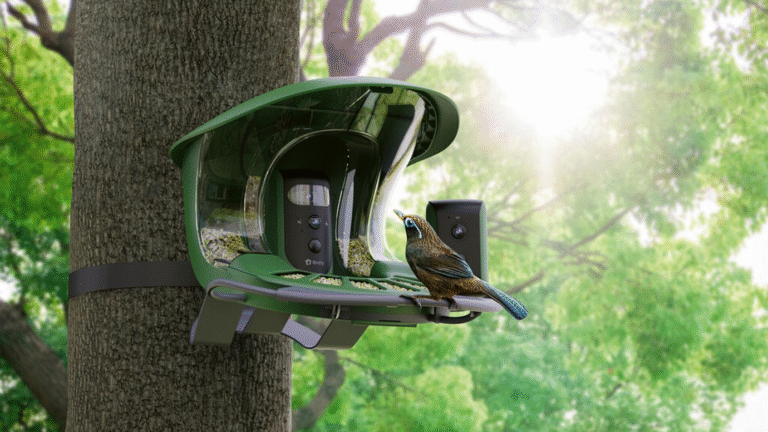
One of the most exciting modern additions to any wildlife garden is the Birdfy smart bird feeder. This AI-powered device not only feeds birds but also lets you capture stunning footage, identify species automatically, and stay connected to your garden’s visitors from anywhere. Combining traditional gardening practices with smart technology like Birdfy smart bird feeders makes year-round bird support both effective and deeply rewarding.
This comprehensive guide will walk you through practical, season-specific steps tailored to UK conditions, helping you build a thriving habitat while enjoying the benefits of backyard birdwatching.
Why Create a Year-Round Bird-Friendly Garden in the UK?
Britain’s gardens are lifelines for species like robins, blue tits, great tits, blackbirds, goldfinches, house sparrows, and song thrushes. Habitat loss, intensive agriculture, and climate pressures have hit many populations hard. A well-designed garden offers:
- Natural pest control: Birds devour aphids, caterpillars, slugs, and other garden pests.
- Pollination support: Many birds help spread seeds and pollinate plants.
- Mental health benefits: Watching birds reduces stress, boosts mood, and connects you with nature.
- Biodiversity boost: Your garden becomes part of a wider network supporting wildlife.
The latest RSPB guidance (updated 2026) emphasises feeding birds seasonally and safely to minimise disease risks like trichomonosis. This means adjusting food offerings while prioritising natural sources and hygiene.
A year-round approach ensures birds have consistent support, especially during harsh winters and breeding seasons.
1. Providing Food Sources Season by Season
Food is the foundation of a bird-friendly garden. Follow RSPB recommendations for safe, seasonal feeding.
Winter (November to February)
Winter is the toughest time. Natural food is scarce, and birds need high-energy options to survive freezing temperatures.
- Offer suet, fat balls, peanuts, sunflower seeds, and mixed seed mixes.
- Use multiple feeders to reduce competition.
- Top up daily — birds can lose up to 10% of body weight overnight in cold weather.
Spring (March to May)
Breeding season demands protein-rich foods.
- Provide small amounts of mealworms (soaked for nestlings) and suet.
- Avoid or limit seeds and peanuts as per updated RSPB advice.
- Plant early-flowering species and allow insects to thrive.
Summer (June to August)
Natural food peaks with insects and berries, but supplementary feeding helps during dry spells.
- Offer limited mealworms, suet, or fat balls.
- Grow seed-producing plants like sunflowers, teasels, and echinacea.
- Fresh water becomes critical in hot weather.
Autumn (September to October)
A transitional period for migration and preparation for winter.
- Leave seedheads on plants for natural foraging.
- Gradually reintroduce seeds and peanuts from November.
- Plant berry-bearing shrubs for winter reserves.
Pro Tip: Grow native plants for sustainable, disease-resistant food. Excellent UK choices include:
- Hawthorn, holly, rowan, and elderfor berries.
- Teasels, sunflowers, and ornamental grassesfor seeds.
- Ivy and hazelfor year-round cover and late-season food.
2. Supplying Fresh Water Year-Round
Birds need water for drinking and bathing in every season. A shallow bird bath or small pond with sloping edges works well.
- Winter: Use a pond heater or floating ping-pong ball to prevent freezing.
- Summer: Refresh daily to stop algae and keep water clean.
- Position near cover (bushes or hedges) for safety from predators.
- Add a dripper or solar fountain for movement — birds love running water.
3. Creating Shelter and Nesting Opportunities
Shelter protects birds from weather and predators while providing nesting sites. Alongside dense shrubs and other natural cover, a composite garden fence can provide a durable, low-maintenance boundary that resists warping, mould, and harsh weather throughout the seasons.
- Planting for cover: Use dense native shrubs and trees (hawthorn hedges, holly, yew, and ivy) for roosting and protection. Leave areas of long grass, leaf litter, and log piles for ground-foraging species.
- Nest boxes: Install species-specific boxes — small-hole for tits, open-fronted for robins and wrens. Site them 2–4 metres high, facing north or east.
- Hedges and climbers: Mixed native hedges offer multi-season benefits.
- Reduce tidiness: Untidy corners with dead wood and fallen leaves support insects, which in turn feed birds.
These elements create a layered habitat mimicking natural woodlands and hedgerows.
4. Maintaining Safety and Hygiene
Hygiene is crucial to prevent disease spread.
- Clean feeders and baths weekly with a 5% disinfectant solution or vinegar and hot water. Rinse thoroughly and dry before refilling.
- Move feeders periodically to avoid ground contamination.
- Choose squirrel- and rat-proof designs.
- Avoid chemical pesticides and herbicides — they harm the entire food chain. Opt for organic methods or let birds handle pests naturally.
5. Enhancing Your Garden with Birdfy Smart Bird Feeders
Modern technology makes bird-friendly gardening more engaging and effective. The Birdfy smart bird feeder stands out as an innovative solution for UK gardeners.
Featuring a high-resolution camera (often 2K), AI bird identification for thousands of species, motion-activated recording, and instant phone notifications, Birdfy turns passive feeding into an interactive experience. Many models include solar power for low-maintenance operation in the UK’s variable weather.
Key Benefits of Birdfy Smart Bird Feeders:
- Never miss a visit with real-time alerts.
- Automatically capture photos and videos for identification and sharing.
- Track seasonal patterns and contribute to citizen science.
- Weatherproof and durable for year-round use.
- Encourages consistent maintenance and deeper appreciation of your garden’s wildlife.
Placing a Birdfy smart bird feeder alongside traditional stations gives you the best of both worlds — reliable supplementary food plus invaluable insights.
Additional Important Topics for a Successful Bird-Friendly Garden
Attracting a Wider Variety of Species
Diversify feeder types (seed, suet, niger, mealworm) and plant layers (ground cover, shrubs, trees) to welcome everything from goldfinches to woodpeckers and thrushes.
Gardening for Insects
Birds rely heavily on insects, especially when feeding young. Plant pollinator-friendly flowers like lavender, verbena, and hardy geraniums.
Dealing with Common Challenges
- Predators: Use baffles on poles and site feeders away from cat ambush points.
- Squirrels and rats: Invest in weight-activated or caged feeders.
- Small spaces: Window feeders, hanging baskets with berries, and wall-mounted nest boxes work brilliantly on balconies or patios.
Seasonal Maintenance Calendar
- Winter: Daily checks, cleaning, and high-energy food.
- Spring: Nest box inspections and reduced supplementary feeding.
- Summer: Water focus and plant growth.
- Autumn: Pruning, seedhead retention, and preparation for winter.
Frequently Asked Questions (FAQs)
Q1: When should I stop feeding birds in the UK?
According to current RSPB guidance, pause seeds and peanuts from 1 May to 31 October. You can continue offering small amounts of suet, fat balls, or mealworms year-round.
Q2: What are the best plants for a bird-friendly garden?
Hawthorn, holly, rowan, elder, sunflowers, teasels, ivy, and crab apple trees provide excellent food and shelter across seasons.
Q3: How does the Birdfy smart bird feeder work?
It combines a traditional feeder with a built-in camera and AI that identifies birds and sends notifications to your smartphone. Visit Birdfy.com to explore models.
Q4: Do I need a large garden to support birds?
No. Even small spaces with a feeder, bird bath, and a few bird-friendly plants can make a significant impact.
Q5: How often should I clean my bird feeders?
At least once a week, or more frequently in wet or warm weather.
Conclusion
Creating a bird-friendly garden all year round is one of the most fulfilling contributions any UK gardener can make to wildlife conservation. By providing seasonal food, fresh water, safe shelter, and maintaining excellent hygiene, you’ll support local birds while enjoying their beauty and benefits every day.
Incorporating innovative tools like the Birdfy smart bird feeder elevates the experience, offering insights and connection that keep you motivated throughout the seasons. Start small — add a feeder this week, plant a berry shrub this autumn, or install a nest box in winter. Every action counts.
Your garden can become a thriving sanctuary that supports Britain’s birds and brings daily joy to your life. The birds are waiting — why not begin today?
