



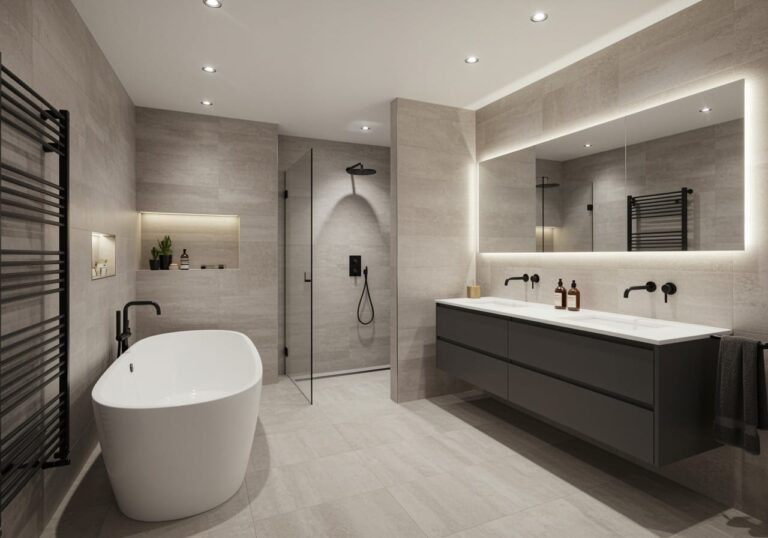
Bathrooms have evolved from simple utility spaces into important areas that reflect comfort, style, and modern living. Homeowners today are increasingly investing in bathroom upgrades that improve both appearance and functionality, and one of the most impactful improvements is modern toilet installation. A properly selected toilet not only enhances bathroom design but also improves water efficiency, hygiene, comfort, and long-term convenience.
Modern toilets are available in a wide variety of styles, technologies, and installation options that suit different bathroom layouts and homeowner preferences. From sleek wall-mounted systems to advanced smart toilets with automated features, today’s options offer far more than traditional models. Understanding the different types of toilet installation solutions helps homeowners create bathrooms that are stylish, efficient, and practical for everyday use.
The Importance of Choosing the Right Toilet
Toilets are among the most frequently used fixtures in any home, making their performance and comfort extremely important. An outdated or poorly functioning toilet can lead to water waste, frequent repairs, and an unattractive bathroom appearance. Modern toilet installation provides an opportunity to improve efficiency, reduce maintenance problems, and create a cleaner and more visually appealing space.
The right toilet also affects the overall bathroom layout and user experience. Factors such as size, height, flushing power, water consumption, and design style all play important roles in determining the best option for a specific bathroom.
One-Piece Toilets for Modern Simplicity
One-piece toilets are among the most popular choices for modern bathroom designs. In these models, the tank and bowl are connected as a single unit, creating a smooth and streamlined appearance.
This design offers several advantages. One-piece toilets are easier to clean because there are fewer crevices where dirt and bacteria can accumulate. Their sleek appearance also works well in contemporary bathrooms focused on minimalist aesthetics.
Modern toilet installation using one-piece systems is especially popular in smaller bathrooms because the compact design helps maximize available space while maintaining a modern look.
Two-Piece Toilets for Affordability and Flexibility
Two-piece toilets remain one of the most common and practical installation options for residential bathrooms. In these systems, the tank and bowl are separate components assembled during installation.
These toilets are often more affordable than one-piece models and provide a wide range of design and flushing options. They are also easier to transport and replace when necessary.
Many homeowners choose two-piece toilet installation because it offers reliable performance, simple maintenance, and budget-friendly flexibility without sacrificing efficiency.
Wall-Mounted Toilets for Space-Saving Design
Wall-mounted toilets have become increasingly popular in modern and luxury bathroom designs. These systems feature a toilet bowl mounted directly to the wall while the tank is concealed inside the wall structure.
This type of toilet installation creates a clean, open appearance and makes floor cleaning much easier. Wall-mounted systems are ideal for small bathrooms because they create the illusion of additional floor space.
In addition to their stylish appearance, wall-mounted toilets often include adjustable height features and modern dual-flush technology for improved comfort and water efficiency.
Smart Toilets and Advanced Technology
Technology has transformed modern bathroom fixtures, and smart toilets are now one of the fastest-growing trends in home design.
Smart toilet installation may include features such as:
- Automatic flushing
- Heated seats
- Built-in bidets
- Motion sensors
- Self-cleaning functions
- Air dryers
- Touchless operation
- Adjustable water temperature and pressure
These advanced features improve hygiene, convenience, and comfort while adding a luxurious feel to the bathroom.
Smart toilets are especially popular in high-end renovations where homeowners want modern functionality combined with elegant design.
Dual-Flush Toilets for Water Efficiency
Water conservation has become a major priority for modern homeowners, and dual-flush toilets provide an effective solution for reducing water usage.
These toilets offer two separate flush options: a lower-volume flush for liquid waste and a stronger flush for solid waste. This system significantly reduces water consumption compared to older traditional toilets.
Modern toilet installation with dual-flush technology helps homeowners lower water bills while supporting environmentally responsible living.
Comfort Height Toilets for Improved Accessibility
Comfort height toilets are designed slightly taller than standard models, making them easier to use for adults, seniors, and individuals with mobility challenges.
The added height reduces strain on the knees and back while improving overall comfort during use. Many homeowners now choose comfort height toilet installation even in standard residential bathrooms because of the improved ergonomics and accessibility.
These models are especially beneficial in aging-in-place home designs focused on long-term usability.
Corner Toilets for Small Bathrooms
Corner toilets are designed specifically for compact bathrooms and powder rooms where space is limited. Their tank fits into the corner of the room, helping maximize usable floor area.
This type of toilet installation is ideal for small homes, apartments, guest bathrooms, and remodels where layout efficiency is important.
Although compact, many modern corner toilets still include powerful flushing systems and stylish designs.
Choosing the Right Flushing System
Modern toilets are available with several flushing technologies designed to improve efficiency and performance.
Gravity-fed systems remain common because of their simplicity and reliability. Pressure-assisted systems use compressed air to create stronger flushing power, making them ideal for high-use bathrooms.
Some advanced toilets also include cyclone or tornado flushing systems that improve bowl cleaning while using less water.
Selecting the right flushing system during toilet installation helps ensure reliable performance and reduced maintenance.
Importance of Professional Toilet Installation
Even high-quality toilets can develop problems if installation is completed incorrectly. Poor installation may lead to leaks, unstable positioning, weak flushing, or drainage issues.
Professional toilet installation ensures proper alignment, secure mounting, correct sealing, and reliable plumbing connections. Experienced installers also inspect surrounding plumbing components to identify potential issues before they become larger problems.
Proper installation improves long-term performance, prevents water damage, and extends the lifespan of the fixture.
Modern Toilet Designs and Bathroom Aesthetics
Today’s toilets are available in a wide range of colors, shapes, and finishes that complement different bathroom styles. Modern bathrooms often feature sleek lines, hidden trapways, and minimalist designs that create a cleaner and more sophisticated appearance.
Matte finishes, compact shapes, and integrated bidet systems are increasingly popular in contemporary bathroom renovations.
Selecting the right toilet installation style helps homeowners create a bathroom that balances function, comfort, and visual appeal.
Maintenance and Long-Term Performance
Routine maintenance is essential for preserving toilet performance and preventing future plumbing problems. Regular cleaning, inspection of seals and connections, and prompt attention to leaks or flushing issues help maintain efficiency and hygiene.
Modern toilets generally require less maintenance than older models because of improved flushing systems, durable materials, and water-saving technologies.
Properly installed and maintained toilets can provide reliable performance for many years while reducing water waste and repair costs.
Conclusion
Modern toilet installation options provide homeowners with a wide range of solutions that improve bathroom style, comfort, hygiene, and efficiency. From compact wall-mounted systems to advanced smart toilets with touchless technology, today’s designs offer both functionality and visual appeal for modern living spaces.
Choosing the right toilet involves considering layout, water efficiency, comfort, flushing performance, and overall bathroom design goals. With professional installation and proper maintenance, modern toilets can significantly enhance the functionality and appearance of any bathroom while providing long-term convenience and reliability.
