



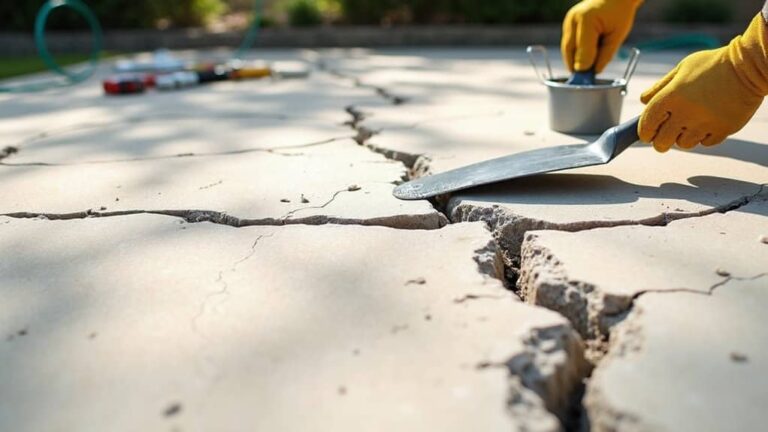
Concrete is one of the most widely used construction materials in the world, valued for its strength, durability, and versatility. It forms the backbone of countless structures, from residential foundations and driveways to large-scale commercial and industrial developments. Despite its resilience, concrete is not immune to damage. Over time, environmental factors, structural stress, and natural wear can lead to cracks, surface deterioration, and weakened integrity. Addressing these issues promptly through concrete repair is essential to maintaining both safety and long-term performance.
Understanding the causes of damage, the methods available for restoration, and the importance of proper maintenance can help property owners and construction professionals ensure that concrete structures remain reliable for years to come. Repairing damaged concrete is not just about improving appearance; it is about preserving structural stability and preventing more serious problems in the future.
Understanding Why Concrete Deteriorates Over Time
Although concrete is known for its strength, it is still vulnerable to a range of environmental and structural influences. One of the most common causes of damage is the natural expansion and contraction that occurs with temperature changes. As concrete heats and cools, it expands and contracts, which can eventually lead to cracking.
Moisture is another major factor. Water can seep into small pores and cracks in the concrete, and when temperatures drop, it may freeze and expand. This process can widen cracks and cause surface scaling. Additionally, exposure to chemicals, such as de-icing salts or industrial substances, can weaken the material over time.
Structural stress also plays a role. Heavy loads, shifting soil, and improper initial construction can lead to uneven pressure distribution, resulting in cracks or sinking sections. Without timely concrete repair, these issues can worsen and compromise the integrity of the entire structure.
Types of Concrete Damage and Their Implications
Concrete damage can appear in several forms, each requiring a specific approach for effective repair. Hairline cracks are among the most common and may seem minor, but they can allow moisture to penetrate the surface, leading to more significant damage over time.
Larger cracks, especially those that extend deep into the structure, often indicate more serious issues such as foundation movement or structural stress. Surface spalling, where the top layer of concrete begins to flake or chip away, is another common problem that affects both appearance and durability.
In some cases, concrete may settle unevenly, creating dips or slopes that affect functionality and safety. This is particularly common in driveways, sidewalks, and patios. Identifying the type and severity of damage is the first step in determining the most appropriate repair method.
Preparation: The Foundation of Successful Repair Work
Before any repair work begins, proper preparation is essential. This involves cleaning the damaged area thoroughly to remove dirt, debris, loose material, and any contaminants that could interfere with bonding. High-pressure washing or mechanical cleaning methods are often used to achieve a clean surface.
Once the area is clean, it is important to assess the extent of the damage. This helps determine whether the repair will be superficial or require deeper structural intervention. Cracks may need to be widened slightly to allow repair materials to penetrate effectively.Moisture control is another critical aspect of preparation. The surface must be in the right condition neither too wet nor too dry to ensure proper adhesion of repair materials. Taking the time to prepare correctly greatly improves the durability and effectiveness of the repair.
Common Methods Used in Concrete Restoration
There are several techniques used in concrete repair, each suited to specific types of damage. For minor cracks, sealants or fillers are often used to prevent moisture infiltration and restore the surface. These materials are designed to expand and contract with the concrete, reducing the likelihood of future cracking.
For more significant damage, patching compounds may be applied to rebuild the affected area. These materials are carefully applied and smoothed to match the surrounding surface. In cases where large sections are damaged, resurfacing may be necessary to restore a uniform appearance and strength.
Injection methods are commonly used for structural cracks. In this process, specialized materials are injected into the crack to fill and bond the internal structure. This technique is particularly effective for restoring strength in load-bearing elements.For uneven or sunken concrete, lifting techniques such as slab jacking or foam injection may be used. These methods raise the concrete back to its original position, improving both functionality and safety.
Importance of Choosing the Right Materials
The success of any repair project depends heavily on selecting the appropriate materials. Different repair compounds are designed for specific conditions, such as high moisture environments, heavy traffic areas, or structural applications.
Using the wrong material can lead to poor adhesion, reduced durability, and the need for repeated repairs. High-quality materials that match the properties of the existing concrete provide better results and longer-lasting performance.Compatibility is also important. The repair material should bond effectively with the original concrete and have similar expansion and contraction characteristics. This ensures that the repaired area performs consistently with the rest of the structure.
Avoiding Common Mistakes in Repair Projects
Despite the availability of advanced materials and techniques, mistakes can still occur during repair work. One of the most common errors is neglecting proper surface preparation. Without a clean and stable base, even the best materials may fail to adhere properly.
Another frequent mistake is underestimating the severity of the damage. Treating structural issues as minor surface problems can lead to incomplete repairs and recurring damage. Accurate assessment is crucial for choosing the right approach.Improper curing is also a concern. Repair materials require adequate time and conditions to set and gain strength. Rushing this process can weaken the repair and reduce its lifespan.Ensuring proper technique and attention to detail is essential for achieving successful outcomes in concrete repair projects.
Maintenance Strategies for Long-Term Durability
Once repairs are completed, ongoing maintenance is key to preserving the condition of the concrete. Regular inspections help identify early signs of damage, allowing for timely intervention before problems worsen.
Sealing the surface can provide additional protection against moisture, chemicals, and environmental factors. This is especially important in areas exposed to harsh weather or heavy use.Keeping the surface clean and free from debris also helps prevent damage. Accumulated dirt and organic material can retain moisture, increasing the risk of deterioration. Proper drainage systems further protect concrete by preventing water accumulation.
When to Seek Professional Expertise
While some minor repairs can be handled independently, more complex issues often require professional expertise. Structural cracks, extensive damage, or large-scale repairs benefit from the knowledge and experience of trained specialists.Professionals have access to advanced tools, materials, and techniques that ensure accurate diagnosis and effective solutions. They can also identify underlying issues that may not be immediately visible, preventing future problems.Investing in professional services for major concrete repair work often results in better quality, improved safety, and longer-lasting results.
Addressing concrete repair damage promptly offers several long-term advantages. It helps maintain structural integrity, ensuring the safety of occupants and users. It also enhances the appearance of the property, contributing to overall value and appeal.
Timely repairs can prevent small issues from developing into major problems, reducing overall maintenance costs. By extending the lifespan of the structure, property owners can avoid expensive replacements and enjoy greater durability over time.
Conclusion
Concrete may be one of the most durable construction materials available, but it still requires care and maintenance to perform at its best. Understanding the causes of damage, choosing the right repair methods, and maintaining the structure properly are all essential steps in ensuring long-term reliability.
Through effective concrete repair, it is possible to restore strength, improve appearance, and extend the lifespan of any concrete structure. Whether addressing minor cracks or major structural issues, a thoughtful and well-executed approach ensures lasting results and continued performance for years to come.
