



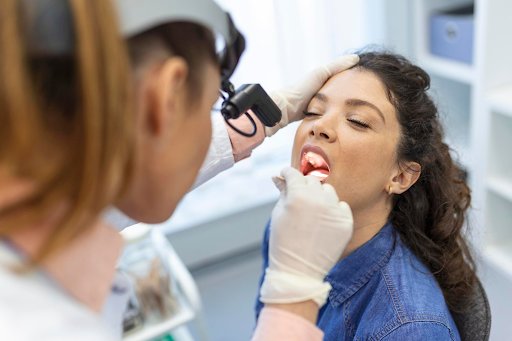
For many individuals experiencing persistent swelling, pain, or dryness in the mouth, the root cause often lies within the salivary glands. Traditionally, addressing obstructions like salivary stones required invasive surgery, often resulting in significant scarring and long recovery periods. However, the introduction of London sialendoscopy has revolutionised how these conditions are managed.
Sialendoscopy is a minimally invasive technique that allows specialists to see inside the salivary ducts using incredibly thin endoscopes. This procedure serves as both a diagnostic tool and a corrective treatment, providing a modern alternative to traditional glandular surgery. Whether you are dealing with recurrent infections or suspected blockages, understanding this advanced procedure is the first step toward lasting relief.
What is Sialendoscopy?
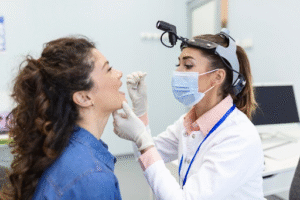
Sialendoscopy involves the use of a micro-endoscope, typically ranging from 0.8mm to 1.6mm in diameter. This tiny camera is inserted into the natural openings of the salivary ducts located under the tongue or inside the cheeks.
A Minimally Invasive Breakthrough
The primary advantage of sialendoscopy is that it requires no external incisions. In the past, removing a stone from the submandibular or parotid gland often meant a traditional surgical approach through the neck or face. With sialendoscopy, the surgeon navigates the ductal system internally. This eliminates the risk of external scarring and significantly reduces the potential for nerve damage, which was a common concern with older surgical methods.
Diagnostic and Therapeutic Capabilities
This procedure is unique because it allows for “see and treat” functionality. If a specialist identifies a salivary stone (sialolith) or a narrowing of the duct (stricture) during the diagnostic phase, they can immediately deploy micro-instruments—such as tiny baskets or balloons—to remove the obstruction or dilate the duct.
Common Conditions Treated with Sialendoscopy
The salivary glands play a vital role in oral health, producing saliva that aids digestion and protects the teeth. When the flow of saliva is interrupted, the results can be both painful and detrimental to your dental hygiene.
Salivary Stones (Sialolithiasis)
Stones are the most frequent cause of salivary gland blockages. They form when minerals in the saliva crystallise, creating a “plug” that prevents saliva from exiting the gland. Patients often notice a painful swelling that worsens just before or during meals. Sialendoscopy allows London specialists to locate these stones with precision and remove them without removing the entire gland.
Chronic Sialadenitis
This condition refers to long-term inflammation of the salivary glands, often caused by reduced salivary flow or recurrent infections. Sialendoscopy can help by flushing out debris and mucous plugs that accumulate in the ducts. During the procedure, the specialist can also deliver medication, such as steroids, directly into the ductal system to reduce inflammation from the inside out.
Comparing Sialendoscopy and Wisdom Teeth Removal in London
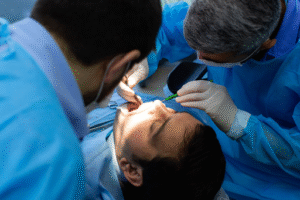
While sialendoscopy focuses on the glandular system, many patients exploring oral surgery options in the capital are also curious about how various procedures overlap in terms of recovery and specialist care.
Distinct Oral Specialisms
It is common for patients to experience swelling in the jaw area and wonder if the issue is related to their teeth or their glands. For instance, impacted wisdom teeth can cause pain and swelling that mimics a salivary gland infection. Wisdom teeth removal in London is a standard oral surgery procedure focused on the extraction of the third molars.
While wisdom teeth removal involves the bone and soft tissue of the gums, sialendoscopy is strictly related to the ductal architecture. However, both procedures are often performed by Oral and Maxillofacial surgeons. If you are experiencing undiagnosed jaw pain, a specialist in London can perform a comprehensive assessment to determine if the issue is dental or glandular in nature.
What to Expect During the Procedure
Choosing to undergo sialendoscopy in London ensures access to some of the most advanced medical facilities and experienced consultants in the field.
Preparation and Anaesthesia
Depending on the complexity of the blockage and the specific gland involved, sialendoscopy can be performed under local anaesthesia with sedation or general anaesthesia. Most cases are treated as day-patient procedures, meaning you can return home the same day.
The Procedure Steps
- Dilation: The specialist gently dilates the opening of the salivary duct.
- Insertion: The micro-endoscope is inserted, and saline is used to expand the duct for a clear view.
- Intervention: If a stone is found, a “wire basket” instrument is used to capture and withdraw it. For strictures, a small balloon may be inflated to widen the passage.
- Irrigation: The duct is thoroughly washed out to remove any remaining bacteria or sediment.
Recovery and Aftercare
The recovery period for sialendoscopy is remarkably brief compared to traditional surgery. Because there are no external stitches, the “downtime” is minimal.
Immediate Aftercare
You may experience some mild swelling in the area of the gland for 24 to 48 hours following the procedure. This is typically due to the saline used during the endoscopy and resolves quickly. Most patients find that over-the-counter pain relief is sufficient to manage any post-operative discomfort.
Long-Term Benefits
The goal of sialendoscopy is gland preservation. By removing the obstruction while keeping the gland intact, patients maintain their natural saliva production. Specialists usually recommend increasing fluid intake and occasionally using “sialagogues” (such as lemon drops) to stimulate saliva flow and keep the ducts clear during the initial healing phase.
Choosing a Specialist in London
London is a global hub for specialised medical care, particularly in the field of Maxillofacial surgery. When seeking treatment for salivary issues, it is important to choose a consultant who specialises in endoscopic techniques.
Expert Consultation
A quality London clinic will begin with a thorough diagnostic workup, which may include ultrasound or an MRI (Sialo-MR) to map the ductal system before the endoscopy begins. This ensures that the procedure is tailored to your specific anatomy.
Integrating Oral Health
Whether you are visiting a clinic for sialendoscopy or are in the process of scheduling wisdom teeth removal in London, choosing a multidisciplinary centre ensures that all aspects of your oral and facial health are considered. By utilising these modern, minimally invasive techniques, you can address the root cause of your discomfort with precision, avoiding the complications associated with more invasive surgical paths.
Restoring the function of your salivary glands not only eliminates pain but also protects your long-term oral health, ensuring you can eat, speak, and smile without the burden of chronic glandular issues.
