



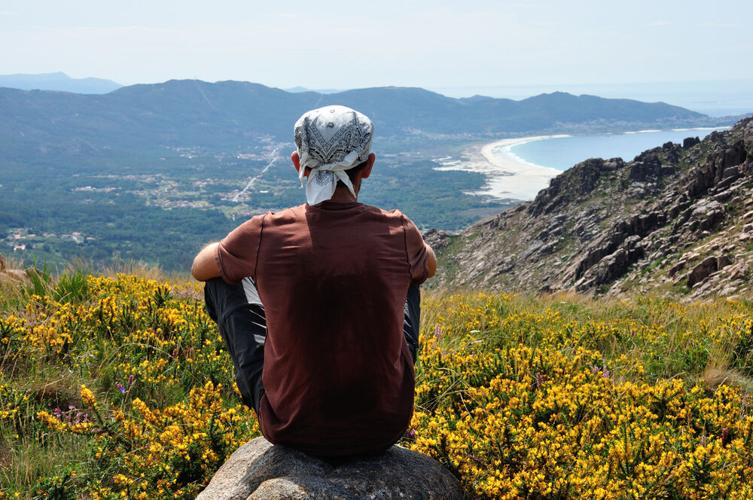
As the summer sun climbs higher and the trails beckon, every hiker knows the drill: pack the water, lace up the boots, and slather on the sunscreen. But even the highest SPF can fail when you’re sweating through a steep switchback, and a bulky sun hat isn’t always the most aerodynamic or comfortable choice for a long day in the backcountry.
Enter the humble bandana. While often viewed as a simple fashion accessory or a piece of nostalgic Americana, the bandana is actually one of the most versatile pieces of survival and sun-protection gear you can carry. From shielding your neck to keeping your core temperature down, here is how you can master the use of a bandana to stay safe under the summer sun.
The Science of “Physical” Sun Protection
When it comes to UV rays, physical barriers are often superior to chemical ones. Sunscreen wears off, washes away with sweat, and requires reapplication every two hours. A high-quality bandana provides a constant physical shield. By covering vulnerable areas like the back of your neck, your forehead, and your ears you are preventing the direct contact of UVA and UVB rays with your skin.
For the modern adventurer, choosing a bandana from a specialist like 4inbandana ensures you have a durable, breathable fabric that can withstand the rigors of the trail while providing that essential layer of shade.
1. The Classic “Neck Cape” (The Sahara Style)
The back of the neck is perhaps the most frequently sunburned area for hikers. We tend to look down at the trail, exposing the cervical spine area to direct overhead sunlight.
To prevent this, fold your bandana into a triangle. Place the long edge across your forehead and let the point hang down over the back of your neck, securing it under your hat or tying the ends at the base of your skull. Alternatively, tie it loosely around your neck with the point facing backward. This creates a “cape” effect that shades the delicate skin of the neck and upper shoulders.
2. The Cooling Headband
Sun protection isn’t just about preventing burns; it’s about managing heat. A bandana tied as a wide headband serves two purposes. First, it protects your forehead and the top of your ears from the sun. Second, it acts as a sweatband, preventing salty perspiration from stinging your eyes—a minor annoyance that can become a major safety hazard on technical terrain.
Pro Tip: Dip your bandana in a cold stream or use some of your water supply to dampen it before tying it on. The evaporation process will significantly cool your forehead, which helps regulate your entire body temperature.
3. Face Shielding for High Altitude
If your hike takes you above the tree line or across snowfields, the sun’s intensity increases exponentially. Furthermore, sun reflects off light-colored rocks or snow, hitting your face from below.
By tying a bandana over your nose and mouth (the “bandit” style), you protect your lower face and lips from windburn and extreme UV exposure. This is a common tactic for mountaineers, but it is equally effective for summer hikers on exposed ridges.
4. Protecting the “Scalp Burn”
If you have thin hair or are rocking a buzz cut, the scalp is incredibly prone to burning. A bandana can be tied into a full-head skull cap. This provides 100% coverage for the top of your head, which is often the most direct target for the midday sun. Unlike a thick baseball cap, a cotton or high-tech fabric bandana allows heat to escape from the crown of your head while still blocking the rays.
5. The Emergency Wrist Wrap
While it might seem minor, the skin on your wrists and the backs of your hands is thin and often forgotten during sunscreen application. If you find yourself hiking with trekking poles, your hands are constantly exposed. Wrapping a bandana loosely around your wrist can provide just enough shade to prevent a painful burn in an area that is constantly in motion.
Why Material Matters
When choosing a bandana for summer sun protection, avoid heavy, dark-colored polyesters that trap heat. Look for:
- Breathability: You want a fabric that allows air to flow through so you don’t overheat.
- Moisture Wicking: The ability to pull sweat away from the skin is crucial for comfort.
- Light Colors: White, light blue, or tan reflect sunlight rather than absorbing it.
Final Thoughts
The beauty of the bandana lies in its simplicity. It’s lightweight, takes up almost zero space in your pack, and serves dozens of purposes beyond sun protection—from an emergency bandage to a pre-filter for water. On your next summer hike, don’t just rely on a bottle of lotion. Tie on a bandana and give yourself the physical protection you need to stay on the trail longer and recover faster. Happy hiking!
