



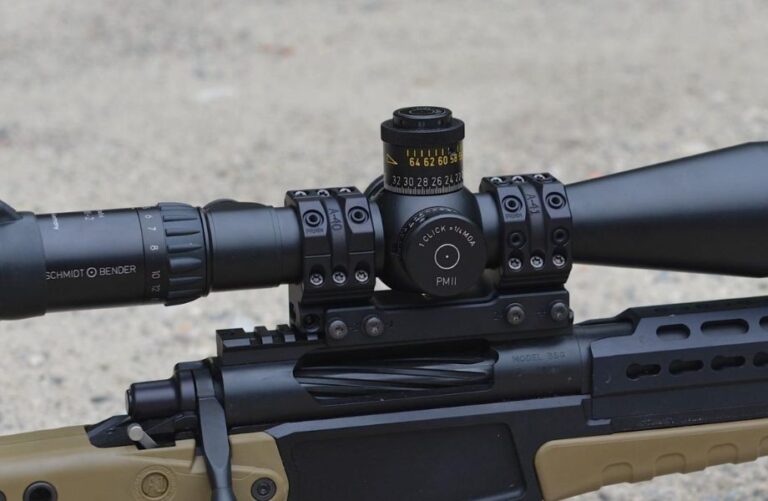
Understanding Your Scope’s Value
So, you’re thinking about selling your scope. That’s great! But before you slap a price tag on it, let’s talk about what actually makes it worth something. It’s not just about the brand name, though that’s a big part of it. Several things come into play, and knowing them helps you get a fair price.
Factors Influencing Resale Price
Several things bump up or bring down what someone’s willing to pay for your scope. Think of it like selling a used car – condition, mileage (or in this case, how much it’s been used), and what extras it came with all matter.
- Brand Reputation and Demand: Some brands are just legendary. Think Aimpoint, Trijicon, Leupold, Vortex, Swarovski, or Zeiss. These names carry weight because they’ve proven themselves over time. If a brand is known for being tough and reliable, people will pay more for it, even used. High demand for a specific model also means you’ll likely get more.
- Condition and Functionality: This is huge. Is the glass clear, or does it have scratches? Do the adjustment turrets click nicely and hold zero? Does the illumination work? A scope that’s in great shape, both inside and out, will always fetch a better price. Minor cosmetic dings might be okay, but if the core function is compromised, the value drops fast.
- Age and Technology: Newer models often have updated features, like better low-light performance or improved reticle options. While older, high-quality scopes can still be great, the latest tech can command a premium.
- Included Accessories: Did you keep the original box, manuals, lens caps, and any included mounts or tools? Having all the original bits and pieces makes your scope more attractive and can add a decent chunk to its resale value.
Brand Reputation and Demand
When it comes to optics, brand loyalty and reputation are powerful forces. Companies like Aimpoint, Trijicon, and Leupold have spent years building trust. They’re known for making gear that can take a beating and keep on working. This reputation means their used products hold their value much better than lesser-known brands. If a particular model is popular for a specific use, like hunting or tactical shooting, demand will naturally be higher, pushing prices up.
Condition and Functionality
This is where you really need to be honest with yourself. Take a good, hard look at your scope. Are there any scratches on the lenses or the body? Do the turrets feel solid when you turn them, or are they mushy? Does the reticle light up like it should? Even small things like
Preparing Your Scope for Sale
Thorough Cleaning and Presentation
Before you even think about listing your scope, give it a good once-over. Think of it like getting ready for a job interview – you want to look your best. Use a soft, lint-free cloth and a dedicated lens cleaner to gently wipe down all glass surfaces. Make sure to get rid of any smudges, dust, or fingerprints. For the body of the scope, a slightly damp cloth can work wonders for removing grime or dirt. A clean scope not only looks better but also suggests it’s been well cared for. Don’t forget to check any adjustment knobs or turrets; make sure they’re free of debris.
Gathering Original Accessories
Having the original packaging and accessories can really boost your scope’s resale value. Try to find the original box, any manuals that came with it, lens caps, and especially any mounting hardware that was included. If you have the original receipt, that’s a bonus too. These items show that you’ve kept everything together and add to the perceived value for a potential buyer. It makes the whole package feel more complete and legitimate.
Honest Condition Assessment
Be upfront about the condition of your scope. If there are any scratches, dings, or marks on the body, point them out. It’s better to mention a small cosmetic flaw than have a buyer discover it later and feel misled. Similarly, confirm that all the adjustments work smoothly and that any reticles or illumination features function as they should. Honesty here builds trust and can prevent issues down the line. Buyers appreciate transparency, and it helps them make an informed decision.
Choosing Where to Sell Your Scope
So, you’ve decided to sell your used scope. That’s great! Now comes the question of where to actually list it. You’ve got a few main paths you can take, and each has its own pros and cons. It’s not just about getting rid of it; it’s about getting a fair price for your gear.
Specialty Dealers vs. Private Sales
Selling to a specialty dealer, like RKB Armory, can be super straightforward. They know the market, they’ll give you a quote, and if you like it, you ship it and get paid. This is often the quickest and easiest way to sell used optics. They handle the listing, the customer service, and all that jazz. The downside? You’ll probably get a bit less money than if you sold it yourself because they need to make a profit too. But hey, for convenience, it’s hard to beat.
Private sales, on the other hand, mean you’re selling directly to another person. This could be through online forums, social media groups, or even word-of-mouth. The big plus here is that you can often get top dollar because there’s no middleman taking a cut. However, it takes more effort. You have to write the descriptions, take good photos, answer a million questions from potential buyers, deal with shipping, and hope they don’t try to scam you or return it with a different problem.
Online Marketplaces and Forums
These are the wild west of selling, but also where a lot of the action happens. Think about places like eBay, specialized optics forums, or even Facebook groups dedicated to firearms and accessories. Each has its own vibe and audience.
- Dedicated Optics Forums: These are great because the buyers are usually knowledgeable and passionate. You’re more likely to find someone who truly appreciates what you’re selling. Examples include forums associated with major optics brands or general shooting/hunting sites.
- General Online Marketplaces: Sites like eBay can reach a huge audience, but you also face more competition and potentially higher fees. You’ll need to be extra careful about descriptions and photos to avoid disputes.
- Social Media Groups: Many platforms have buy/sell groups. These can be good for local sales or for specific niches, but always be cautious and meet in safe, public places if selling locally.
Direct Buy-Back Programs
Some manufacturers or large retailers offer buy-back programs. This is similar to selling to a dealer, but it’s directly from the source. They might offer store credit or a direct payment. It’s usually a convenient option, but the offers might not always be the most competitive compared to selling on the open market. It’s worth checking if your scope’s manufacturer has such a program, but don’t expect to get rich this way. For a quick, no-hassle sale, it’s an option to consider.
When deciding where to sell your scope, weigh the convenience against the potential profit. A quick sale to a dealer might be worth a little less money if it saves you a lot of time and hassle. Conversely, if you’re patient and willing to put in the effort, selling privately or through a specialized forum could net you a better return on your used optics.
The Selling Process Explained
So, you’ve decided to sell your scope. Great! Now comes the part where you actually turn that piece of gear into cash. It might seem a little daunting, but honestly, it’s pretty straightforward if you break it down. We’re talking about getting an offer, figuring out how to ship it safely, and making sure you get paid without any drama.
Getting an Accurate Offer
This is where honesty really pays off. When you’re looking to sell, especially to a dealer or buy-back program, they’ll need details. Think about:
- Brand and Model: Be specific. Is it an Aimpoint PRO or a Trijicon ACOG TA31?
- Condition: This is huge. Are there any scratches on the housing? Does the illumination work perfectly? Are the adjustment knobs smooth? Be upfront about any cosmetic flaws or functional quirks. It’s better they know now than find out later.
- Included Accessories: Do you have the original box, manual, lens caps, or any mounts that came with it? These add value.
Most places will have an online form where you can input this information. They’ll use it to give you an initial quote. Sometimes they might ask follow-up questions if something isn’t clear. It’s all about giving them enough info to make a fair offer.
Secure Shipping and Handling
Once you’ve agreed on a price, you’ll need to get the scope to the buyer. This is where you want to be careful. You don’t want your scope getting damaged in transit, because that could void the deal or at least lower the final price.
- Packaging: Use a sturdy box. Wrap the scope well in bubble wrap, paying extra attention to the lenses and any delicate parts. Fill any empty space in the box so it can’t move around.
- Shipping Method: If you’re selling to a dealer, they might provide a prepaid shipping label. If you’re shipping it yourself, choose a reliable carrier (like UPS, FedEx, or USPS) and consider adding insurance, especially for higher-value items. Keep the tracking number handy.
- Documentation: Include a copy of your agreement or invoice inside the package, just in case.
Shipping a valuable item like a scope requires a bit of care. Don’t just toss it in a padded envelope. Take the time to pack it right, and you’ll avoid a lot of potential headaches down the road.
Receiving Prompt Payment
This is the final step, and ideally, it should be quick and painless. Different sellers offer different payment methods:
- Checks: A traditional method, but it can take a few days to clear.
- Direct Deposit/Wire Transfer: Faster, but sometimes there are limits or fees, especially for larger amounts.
- Payment Apps (like Zelle): Often the quickest option, with funds appearing almost instantly. Just be aware of any transaction limits for new users.
Always confirm the payment method and expected timeline when you agree to the sale. If you’re selling privately, make sure you have the buyer’s correct payment information. If you’re selling to a company, check their stated payment policies. A reputable buyer will process your payment quickly once they’ve received and inspected the item.
Maximizing Your Return
So, you’ve prepped your scope, found a buyer, and you’re ready to make the sale. But how do you make sure you’re getting the most cash possible for your gear? It’s not just about listing it and hoping for the best. A little strategy goes a long way.
Timing Your Sale Strategically
When you decide to sell can actually impact the price you get. Think about the seasons. For instance, hunting scopes might fetch a bit more in the late summer or early fall, right before hunting season kicks off. Similarly, if a new model of your scope just came out, the older, but still perfectly good, version might see a dip in demand. Conversely, if a particular brand or model becomes super popular due to a new endorsement or a popular review, that could be a good time to list yours.
Understanding Market Trends
Keep an eye on what similar scopes are actually selling for, not just what people are asking. Online marketplaces and forums are great for this. See what prices are sticking and which ones are getting offers. Prices can change, especially with new releases or shifts in what shooters are looking for. For example, in 2026, the trend towards lighter, more compact optics for certain applications might make older, bulkier models less desirable, even if they’re high quality.
Negotiating for Top Dollar
Don’t be afraid to negotiate, but do it smartly. Know your scope’s worth based on its condition, brand, and current market value. If a buyer offers less than you expect, consider their offer but be ready to counter with a price that reflects your research. Sometimes, highlighting the included accessories or the excellent condition can justify a slightly higher price. Remember, a buyer looking for a good deal is often willing to pay a fair price for a well-represented item.
Here’s a quick look at how different conditions might affect value:
| Condition | Description | Potential Value Impact |
| Like New | No visible wear, original packaging included | Highest |
| Excellent | Minor cosmetic wear, fully functional | High |
| Good | Some visible wear, minor cosmetic blemishes | Moderate |
| Fair | Noticeable wear, functional but not pristine | Lower |
Be realistic about your scope’s condition. Overstating its quality can lead to disappointment for both you and the buyer, potentially costing you the sale or leading to negative feedback. Honesty upfront builds trust and usually leads to a smoother transaction.
Common Pitfalls to Avoid
Selling your scope can be a great way to fund your next purchase, but it’s easy to stumble into a few traps if you’re not careful. Let’s talk about some of the common mistakes people make so you can steer clear of them and get the best possible deal.
Overlooking Cosmetic Blemishes
It’s tempting to think that a few scratches or scuffs on the outside of your scope don’t really matter, especially if the optics are still clear. However, these cosmetic issues can significantly impact the perceived value. Buyers, especially those looking for a pristine piece of gear, might see these blemishes as signs of rough handling or potential internal damage, even if that’s not the case. Always be upfront and detailed about any cosmetic flaws.
Here’s a quick way to think about it:
- Like New: No visible wear, looks straight out of the box.
- Excellent Used: Minor, barely noticeable marks from careful handling.
- Good Used: Visible scratches or scuffs, but no dents or damage to critical parts.
- Fair Used: Significant cosmetic wear, possibly minor dents, but fully functional.
When listing your scope, take clear photos that highlight these imperfections. It’s better to show a buyer exactly what they’re getting than to have them surprised later.
Misrepresenting Functionality
This is a big one, and it’s not just about honesty; it’s about safety and reputation. If your scope’s adjustments are a bit stiff, if the reticle illumination flickers, or if it doesn’t hold zero perfectly under recoil, you must disclose it. Trying to pass off a scope with functional issues as perfect is a surefire way to end up with a disgruntled buyer, a returned item, and a damaged reputation. This can also lead to disputes and negative reviews that hurt your ability to sell in the future.
Consider these points:
- Adjustment Knobs: Do they click clearly and precisely? Do they return to zero reliably?
- Reticle: Is it sharp and clear? Does the illumination work across all brightness settings?
- Zero Hold: Has the scope held zero consistently during your use? If you’ve had issues, mention them.
- Glass Clarity: Are there any scratches, delamination, or internal fogging?
Be brutally honest about the performance of your scope. If something isn’t working as it should, state it clearly. A buyer who knows exactly what they’re getting is much less likely to have problems down the line.
Falling for Lowball Offers
When you’re eager to sell, it’s easy to get excited by the first offer that comes your way, especially if it’s close to what you were hoping for. However, some buyers will intentionally start with a very low offer, hoping you’ll accept out of impatience or a lack of knowledge about the market. Do your research beforehand to know the realistic value of your scope. If an offer seems too good to be true, it probably is. Don’t be afraid to counter-offer or politely decline if the price isn’t fair. Remember, you put time and effort into acquiring and maintaining your scope; it deserves a fair price.
Frequently Asked Questions
How do I know if my scope is worth selling?
Think about its brand, how well it works, and its overall look. Top brands like Aimpoint or Trijicon usually hold their value. If it’s still in good shape and does its job well, it’s probably worth selling. Even scopes with a few scratches can be valuable if they function perfectly.
What’s the best way to get my scope ready to sell?
First, give it a really good cleaning. Make it look as nice as possible! Also, try to find all the original stuff that came with it, like the box, manual, and any tools. Being honest about its condition is super important too.
Where should I sell my scope?
You have a few choices. You could sell it yourself online, which might get you more money but takes more effort. Or, you could sell it to a dealer, like RKB Armory, who makes the process quick and easy, though you might get a bit less money.
How do I figure out a fair price for my scope?
Look at similar scopes online to see what they’re selling for. Consider the brand, model, condition, and if you have the original box and accessories. RKB Armory can also give you an offer based on their expert knowledge.
Is it safe to ship my scope?
Yes, it is, as long as you pack it carefully. Use plenty of padding, like bubble wrap, and a sturdy box. Make sure it’s well-protected so it doesn’t get damaged on its way to the buyer.
What if someone offers me way less than I think my scope is worth?
That’s a common issue. Don’t feel pressured to accept a low offer. If you know your scope is in good condition and from a desirable brand, it’s better to wait for a better offer or try selling it somewhere else. Be confident in your scope’s value!
