



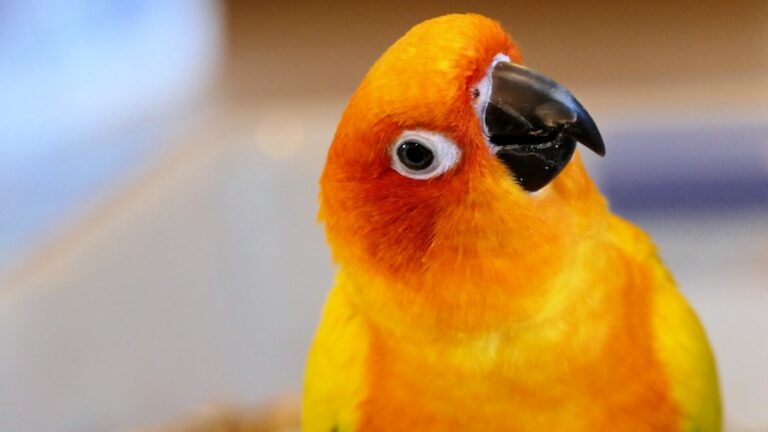
Pet birds are the pet category with the biggest gap between what first-time owners expect and what they actually get. Dogs and cats have their surprises, but the cultural baseline for both is pretty accurate. Birds are different — most of the public perception of bird ownership comes from pet-store signage and cheerful YouTube clips, neither of which conveys what daily life with a parrot actually looks like.
After eleven years of clinical practice, including more bird intakes than I’d like, I want to lay out the reality check I wish someone gave my first-bird clients before they bought. This isn’t an argument against bird ownership — birds are extraordinary pets for the right household — but it’s an honest account of what the right household looks like.
Lifespan is the first thing most buyers underestimate
A budgerigar (budgie) lives 5-10 years, which is comparable to a hamster or guinea pig and fits most household planning horizons. Fine.
Beyond that, the numbers get serious fast:
- Cockatiels: 15-20 years.
- Conures: 20-30 years.
- African greys, Amazons, large cockatoos: 40-70 years.
- Macaws: 50-80 years.
Buying a large parrot in your thirties means the bird will outlive you unless you live unusually long. This is not a theoretical concern. The bird-rescue and sanctuary system in the US is full of large parrots whose original owners died, divorced, or developed health conditions that made ongoing care impossible, and whose relatives don’t know what to do. Buying a large parrot without a multi-generational plan for its continued care is a commitment you may not be able to keep.
I tell clients weighing a large parrot purchase: either commit to arranging for the bird’s life beyond yours explicitly (written into your will, with a pre-identified next owner or sanctuary), or pick a smaller, shorter-lived species.
Daily time commitment is higher than most owners expect
Birds — especially parrots — are socially bonded, intelligent animals that require substantial interaction to avoid severe behavioral problems. The rough time commitment for a medium-to-large parrot is:
- Out-of-cage time: 2-4 hours daily, minimum. Not supervised from across the room — actively engaged with the bird for a meaningful portion.
- Cage cleaning: 10-15 minutes daily, plus a deep clean weekly.
- Food preparation: 15-30 minutes daily. Fresh food — chopped vegetables, fruits, grains, pellets — not just seed.
- Training and enrichment: 30 minutes daily for most parrots, more for young birds.
That’s roughly 3-5 hours per day of bird-related work for a committed owner. This is why the “parrot surrendered at year two” pattern is so common — the owner underestimated how much time this actually takes.
Budgies and cockatiels are much less demanding and can genuinely work for moderate-time households. Everything larger requires a real commitment.
Noise
Most bird-ownership material undersells the noise. Even small parrots are loud enough to be audible through apartment walls during morning and evening vocalization peaks. Larger parrots — macaws, Amazons, cockatoos — are the loudest legal pets you can own. Cockatoos in particular produce sounds at volumes that are genuinely unpleasant to live with if you’re not a dedicated bird person.
If you live in an apartment with shared walls, anything beyond a budgie or a quieter conure species is likely to produce neighbor complaints. Do not believe the “I’ll train them not to scream” claims. You can shape vocalization somewhat, but you cannot make a cockatoo quiet.
Photo: Unsplash budgie-cage collection
Diet mistakes are the most common veterinary issue
Nutritional deficiencies are the single most common reason birds come to my clinic in distress. Specifically:
- All-seed diets. Still the default at many pet stores despite being known to be nutritionally inadequate for most species. Seed diets produce fatty liver disease, vitamin A deficiency, and calcium imbalances.
- Avocado, chocolate, caffeine, alcohol, onions, garlic. All toxic to birds, some fatally so. Owners don’t always know this.
- Non-stick cookware (Teflon). When overheated, releases fumes that are rapidly fatal to birds. Kitchens with caged birds need ventilation and non-Teflon pans.
A bird-species-appropriate pellet diet, supplemented with fresh vegetables and limited fruits, is what most parrot species need. Any first-time bird owner needs to read the diet-specific guidance for their specific species before the bird arrives.
Veterinary care requires an avian specialist
General-practice vet clinics can handle dog and cat medicine well; most of us are not equipped to treat birds beyond basic triage. An avian-specialist veterinarian is a different credential, and there are often few in any given metro area.
Before buying a bird, identify the nearest avian-specialty vet and confirm they’re accepting new patients. This is not optional — birds mask illness until late, and when they do show symptoms, the window for intervention is often short. You need the vet relationship established in advance.
Buying wisely
Bird sourcing is more variable than dog and cat sourcing. The quality range among sellers is wide, and legitimately wild-caught birds, while increasingly illegal, still occasionally enter the market through gray channels.
Things to verify before buying:
- The bird is captive-bred, not wild-caught.
- Hand-raised or parent-raised — both are legitimate, but the bird’s socialization history affects temperament significantly.
- The seller documents the bird’s hatch date, species, and any health screenings.
- You can see the parent birds (for smaller species especially).
- The selling environment is clean, well-ventilated, and the other birds look healthy.
Verified pet marketplaces have improved sourcing transparency significantly. For first-time buyers especially, platforms like the pet birds marketplace section of Pawlisty make it easier to verify seller credentials and see species-specific care information alongside the listing, which removes the worst of the uncertainty that private-party bird purchases used to involve.
If you’re in the pre-purchase phase
Three honest recommendations.
Start small. A budgerigar is the right first bird for most first-time owners. If you love bird ownership after 3-5 years with a budgie, you’ll have a much better sense of whether you’re ready for a larger, longer-lived, more demanding species.
Meet the actual bird before buying. Individual temperament varies enormously within species. A rescue or private-party situation that lets you spend time with the specific bird before committing is better than buying sight-unseen from a store.
Commit to lifetime care or don’t commit at all. Birds are intelligent, socially bonded, and form deep attachments. Rehoming them is a significant trauma that many birds struggle to recover from. If you’re not sure you’ll still want this bird in ten years, pick a pet with a shorter horizon.
Birds are rewarding in ways that no other pet quite replicates. They’re also the most commitment-heavy pet per dollar of upfront cost in the mainstream pet market. Go in with both of those true, and the ownership experience is exceptional.
Jess Rivera is a registered veterinary nurse (RVN) based in Austin, Texas, and writes about practical pet ownership for owners who want clinical information in plain language.
