



The start of a new year often inspires people to improve their health, become more active, and develop better daily habits. However, many resolutions fail because they require too much change too quickly. A more realistic approach is to choose goals that fit your schedule, budget, and current fitness level. Even small improvements can make a difference when you continue them over time.
For example, building a home exercise routine with adjustable dumbbells can make strength training more convenient, while improving sleep, eating balanced meals, and drinking enough water can support your overall well-being. You do not need to change every part of your life in January. Start with a few manageable habits and give yourself time to make them part of your everyday routine.
1. Make Daily Movement a Non-Negotiable Habit
Regular physical activity supports heart health, muscle strength, mobility, and overall well-being. However, many people approach exercise with an all-or-nothing mindset. They believe a workout only counts if it lasts an hour or leaves them completely exhausted. This expectation can make exercise feel difficult to fit into a busy schedule.
Instead, begin with a manageable amount of movement. A short walk during lunch, a few minutes of stretching in the morning, or a brief home workout can help you become more active. Once these activities become familiar, you can gradually increase their duration or intensity.
Build consistency before increasing intensity
Choose an activity that suits your fitness level and daily routine. If you have spent much of the previous year sitting, start with gentle movement instead of immediately attempting demanding workouts. People who already exercise regularly can focus on maintaining a schedule that allows enough time for recovery.
The goal is to make movement a normal part of your day rather than an occasional response to feeling guilty about being inactive. If you miss a session, simply return to your routine the next day.
2. Eat More Balanced Meals Without Following Extreme Diets
Healthy eating does not have to involve removing every favorite food from your diet. Highly restrictive plans can be difficult to maintain, particularly when family meals, social events, and busy workdays are involved. A more practical approach is to improve the balance of your meals while allowing room for flexibility.
Try including vegetables, fruit, protein-rich foods, whole grains, and other sources of important nutrients throughout the day. The exact combination will depend on your preferences, budget, culture, and individual needs. Planning a few simple meals in advance can also make it easier to avoid relying entirely on convenience foods when you are busy.
Focus on additions instead of restrictions
Rather than starting with a long list of foods you cannot eat, identify useful additions. You might include fruit with breakfast, vegetables with lunch, or a protein source with dinner. If you frequently skip meals and become extremely hungry later, consider whether a more regular eating schedule would help.
There is no need to expect perfect choices at every meal. Healthy eating is shaped by your overall pattern, not by one dessert or takeaway meal. If you have specific dietary requirements or a medical condition, seek appropriate professional advice before making major dietary changes.
3. Create a Simple Strength-Training Routine at Home
Strength training can support muscle function, bone health, balance, and everyday activities such as carrying shopping bags or climbing stairs. Yet many beginners delay getting started because they assume they need a fully equipped gym or an advanced exercise plan.
In reality, strength training can begin with bodyweight movements such as squats, wall push-ups, and supported lunges. As your ability improves, you can introduce resistance exercises that match your goals and experience. The most useful routine is one you can perform safely and repeat consistently.
Choose Equipment That Supports Different Exercises
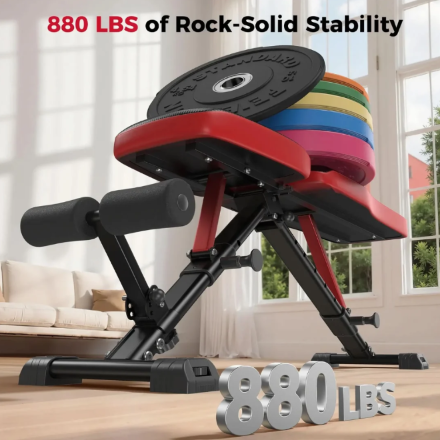
As your home fitness routine develops, you may want to introduce equipment that allows you to perform more exercises comfortably. Workout benches can provide support for movements such as chest presses, seated shoulder presses, and supported dumbbell rows. Before choosing a bench, consider its adjustability, stability, available space, and weight capacity. The right setup should suit your exercise needs and make your routine easier to maintain, rather than adding unnecessary complexity.
You do not have to purchase equipment immediately. Start with movements you can perform comfortably and learn the correct technique. If you decide to invest in weights later, consider storage space, ease of adjustment, budget, and whether the equipment can support your intended exercises.
Aim for a balanced routine that works different muscle groups rather than repeating the same exercise every day. Beginners should leave time between demanding sessions for recovery. If you have an injury, persistent pain, or concerns about starting strength training, speak with a qualified health professional.
4. Improve Your Sleep Schedule One Step at a Time
Sleep often becomes a lower priority when work, study, family responsibilities, and entertainment compete for attention. However, regularly getting insufficient sleep can affect concentration, mood, energy, and your ability to manage daily activities. Improving sleep is therefore a valuable resolution, even if you are not trying to change your fitness level.
Start by choosing a bedtime and wake-up time that fit your responsibilities. Keeping these times reasonably consistent can help establish a predictable routine. Adults generally need at least seven hours of sleep each night, although individual needs vary.
Make your evening routine easier to follow
You do not need an elaborate bedtime ritual. Simple habits may be enough, such as preparing for the next morning, reducing stimulating activities before bed, and keeping your sleeping environment comfortable and quiet. If late-night scrolling regularly delays your bedtime, charge your phone away from your pillow or set a reminder to begin winding down.
Caffeine late in the day can interfere with sleep for some people, so pay attention to how it affects you. If you regularly struggle to sleep despite making reasonable changes, consider discussing the problem with a healthcare professional.
Better sleep is not a reward you earn after finishing every task. It is a basic part of looking after yourself and maintaining the energy needed for other healthy habits.
5. Make Your Home Workout Space More Practical
A home exercise area does not need to look like a commercial gym. A clear corner with enough room to move safely can be sufficient for many activities. The main purpose is to remove obstacles that make exercise inconvenient and create a space where you can begin without spending several minutes rearranging furniture.
Before buying equipment, consider what you actually plan to do. Someone who enjoys yoga may need little more than a suitable mat, while a person interested in strength training may prefer a few weights and a stable exercise surface. Keeping equipment organised can also make it easier to return to a routine after a busy week.
Consider a bench for a wider range of exercises
A suitable bench can support certain strength exercises and make it easier to vary your training position. For example, a bench may be used for supported dumbbell rows, seated shoulder presses, or chest presses when paired with appropriate weights. The exercises you can perform depend on the bench design, your ability, and the equipment available.
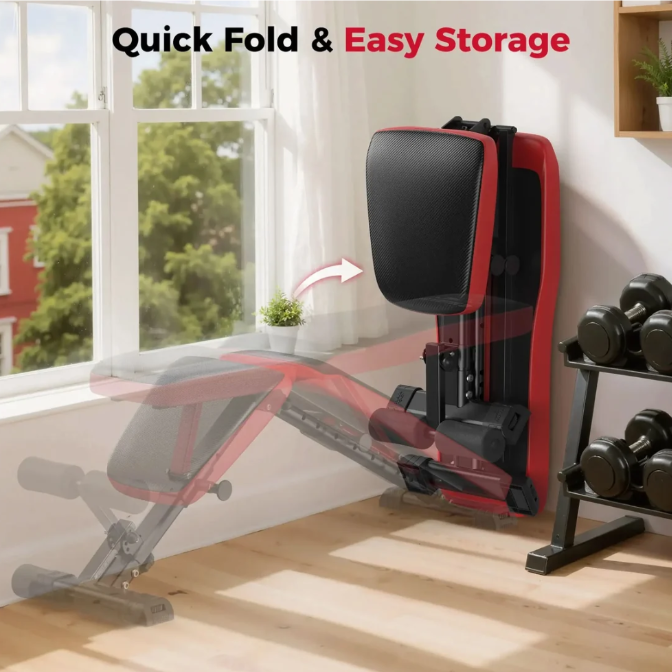
One option to research is the FED Fitness Flybird Series WB6 Foldable Adjustable Weight Bench Classic. The product listing describes an adjustable backrest and seat, padded support, a folding design for storage, and a steel frame. These features may be relevant to people who want a versatile bench without leaving it set up permanently. Before purchasing, review the current product specifications, weight limits, dimensions, storage requirements, and availability to make sure it suits your needs.
Equipment should support your routine, not become a condition for starting it. If your budget is limited, you can still build a useful exercise habit with bodyweight movements and the space you already have.
6. Drink Water Regularly Throughout the Day
Staying hydrated supports normal body functions, including temperature regulation and digestion. Yet it is easy to forget to drink water when you are busy, particularly if you spend most of the day working at a desk or moving between tasks.
Instead of setting an unrealistic target without considering your needs, develop a few reliable reminders. Keep water nearby, drink with meals, and take breaks to refill your bottle. You may need more fluids during hot weather, prolonged physical activity, or periods of increased sweating.
Develop a routine that matches your day
If you often forget to drink, connect hydration with activities you already perform. For example, have a glass of water after waking up, refill your bottle before starting work, or drink during scheduled breaks. These small cues can make the habit easier to remember.
Fluid needs differ depending on factors such as activity, climate, diet, and health. Water is a practical everyday choice for most people, but some individuals need specific guidance about fluid intake. Follow medical advice if you have a condition that requires you to limit or carefully manage fluids.
Rather than treating hydration as another task to complete perfectly, make drinking water convenient and pay attention to your body’s needs.
7. Track Progress Without Expecting Perfection
Many resolutions fail because people measure success too narrowly. Someone who wants to become healthier may focus only on body weight, the number of workouts completed, or how quickly visible changes appear. When progress is slower than expected, motivation can drop even when useful habits are developing.
A better approach is to track actions that you can influence. You might record how often you walk, how consistently you sleep, whether you complete planned workouts, or how regularly you prepare balanced meals. These measures provide a clearer picture of the choices you are making.
Use setbacks as information, not as a reason to quit
Suppose you planned to exercise four days a week but managed only two because of work. Instead of deciding that the entire plan has failed, look at what made the original schedule difficult. You may need shorter workouts, different days, or a more realistic weekly target.
The same principle applies to eating habits, sleep, and hydration. A difficult day does not erase the progress you have made. Review your routine, make a practical adjustment, and continue.
It can also help to recognise improvements that are not immediately visible on a scale. You may notice that walking feels easier, you have more energy during the afternoon, or you can complete an exercise with better control. These changes can be encouraging signs that your habits are becoming more established.
Build a Healthier Year Through Small, Repeatable Choices
A successful New Year’s resolution is not necessarily the most ambitious one. It is the one that continues to fit your life after the initial excitement has passed. Daily movement, balanced meals, strength training, sufficient sleep, hydration, a practical workout space, and realistic progress tracking can all contribute to a healthier routine.
You do not need to work on all seven goals at once. Choose one or two that would make the biggest difference to your current lifestyle. Give yourself time to practise them, then add another habit when the first ones begin to feel more natural.
Most importantly, avoid treating health as a short-term challenge with a finish line in February. Lasting change develops through ordinary decisions repeated over time. Start with what you can manage today, adjust when circumstances change, and focus on building habits that you can maintain throughout the year.
