



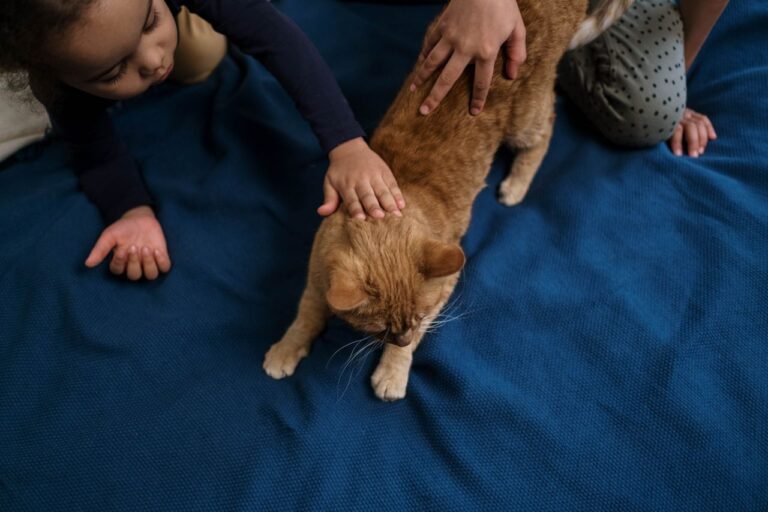
Have you ever watched a child’s face light up when they interact with a pet? That moment represents more than just joy. It marks the beginning of responsibility, compassion, and practical life skills that many children rarely encounter in today’s screen-dominated world. Pet care responsibilities offer a natural way to teach kids accountability while deepening their bond with animals. The challenge lies in making these duties age-appropriate, engaging, and sustainable rather than becoming another chore that parents must monitor constantly.
1. Create a Simple Feeding Schedule
Feeding a pet is one of the most tangible and repeatable responsibilities a child can take on. Unlike more complex tasks, feeding involves a clear routine that children of various ages can understand and execute. You can start with younger children by having them place pre-portioned food into a bowl while you handle storage and measurement, gradually increasing their involvement as they mature. A visual schedule posted on the refrigerator or bedroom door helps kids remember their duty without constant reminders from parents.
The key to success with feeding responsibilities is making it routine rather than optional. When feeding time becomes as automatic as brushing teeth, children internalize it as a non-negotiable part of their day. For older kids, you might expand this duty to include learning about proper nutrition for different pet types, reading labels, or understanding portion sizes based on the animal’s weight and age. This simple task builds genuine responsibility because the pet’s immediate wellbeing depends on the child following through.
2. Establish a Water Changing Routine
Fresh water is essential for every pet, yet it is often overlooked in favor of more visible care tasks. Assigning water bowl maintenance to children teaches them that essential care is not always glamorous or exciting, yet it remains critically important. Younger children can help refill bowls with water from a pitcher you have prepared, while older children can manage the entire process independently, including rinsing the bowl and refilling it with fresh water daily or multiple times per day.
Making water care part of a daily checklist helps children understand consistency in pet care. Some pets require water changes multiple times daily, especially in warmer climates or during summer months. This task also provides an opportunity to discuss why animals need fresh water and what happens when water becomes stale or contaminated. By owning this responsibility, kids develop an understanding of preventive health care rather than waiting until problems arise.
3. Involve Them in Grooming Activities
Grooming represents a more hands-on way for children to engage with their pets while learning about hygiene and health. Depending on your pet type, this might include brushing a dog or cat’s coat, cleaning a rabbit’s ears, or helping with nail care under direct supervision. Even very young children can participate in simple brushing with soft-bristled brushes while an adult handles more delicate or potentially uncomfortable tasks. This activity naturally strengthens the bond between child and pet because it requires close physical interaction and attention.
Grooming tasks offer excellent opportunities to teach children how to read an animal’s body language and respect its boundaries. A dog that pulls away, flattens its ears, or shows signs of stress is communicating discomfort, and children learn to recognize these signals and adjust accordingly. For cats, kids can learn why some animals tolerate certain handling better than others, and how patience and gentleness make grooming easier for everyone. Teaching these skills early helps children develop empathy and emotional intelligence alongside their pet care abilities.
4. Assign Cleanup and Litter Box or Habitat Management
Every pet generates some level of mess that requires regular management. For dog owners, this might mean cleaning up after outdoor bathroom breaks or managing accidents indoors. For cat owners, litter box maintenance teaches children responsibility while keeping the household sanitary. Children with small animals like guinea pigs or hamsters can learn to clean habitats, refresh bedding, and organize living spaces. While these tasks are not the most appealing, they are essential and teach kids that pet ownership includes less pleasant duties.
Starting with small, supervised cleanup tasks helps children build tolerance and understanding before they take on larger responsibilities. A six-year-old might help put soiled newspaper in a trash bin, while a ten-year-old might manage an entire litter box with appropriate cleaning supplies and safety precautions. These tasks naturally teach time management because habitats and litter boxes need regular attention to prevent odors, bacteria growth, and animal health problems. Kids quickly understand that neglecting these duties creates visible, unpleasant consequences, which reinforces the importance of consistency in caregiving.
5. Encourage Play and Exercise Participation
While feeding and cleaning are maintenance tasks, play and exercise represent the more enjoyable side of pet care that many children already want to do. Formalizing exercise time as a responsibility rather than optional play transforms it into a caregiving duty while keeping it fun. Kids can walk dogs on designated routes, play fetch in the backyard, engage cats with interactive toys, or spend time in outdoor play with small animals under supervision. This responsibility ensures pets receive necessary physical activity while giving children an active break from academics and indoor entertainment.
Making exercise a scheduled responsibility helps children understand that pets need consistent activity for physical health and mental stimulation. A bored pet often develops behavioral problems, so children learn that their participation directly improves the animal’s quality of life. Marking a pet’s annual birthday with a dog birthday cake is one way families recognize the caregiving role children have taken on throughout the year. That kind of acknowledgment reinforces the value of the routines children have built and motivates them to continue as their skills and responsibilities grow.
You can gradually increase the complexity of exercise responsibilities as kids mature. A young child might spend fifteen minutes playing in the yard while you supervise, but an older child could take a dog on a solo neighborhood walk with proper training and safety preparation. Exercise time strengthens the relationship between child and pet through positive, joyful interactions. These shared experiences accumulate into a deep sense of connection that children carry into adulthood.
Conclusion
Involving children in pet care responsibilities creates a framework for teaching accountability, empathy, and practical life skills that extend far beyond the animals themselves. Starting with age-appropriate tasks like feeding and water changes and gradually expanding to more complex responsibilities like grooming and exercise helps children build confidence and competence. The most successful approach combines clear expectations, consistent routines, and genuine interest in the child’s growing abilities. When children understand that their actions directly affect another living creature’s wellbeing and happiness, they internalize lessons about responsibility that shape their character. By thoughtfully assigning and supporting pet care duties, parents create opportunities for children to develop into more compassionate, reliable people who understand the privilege and responsibility of caring for others.
